

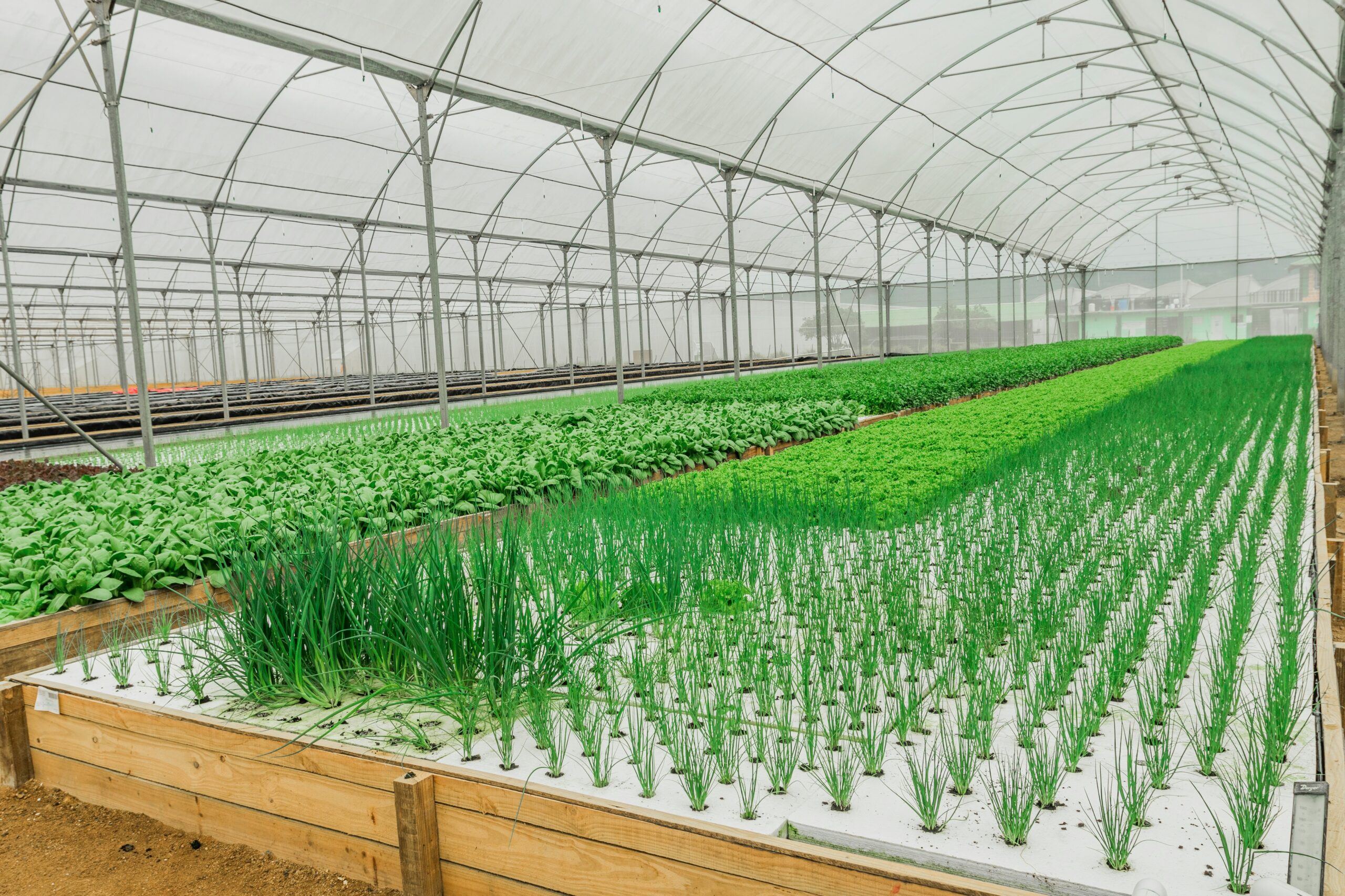
With the global population rising and arable land shrinking, farmers and innovators are turning to hydroponics, a soilless farming technique that grows plants using nutrient-rich water solutions. Hydroponics allows for faster growth, higher yields, and space-efficient farming, making it ideal for urban areas, greenhouses, and regions with poor soil quality.
In this blog, we will explore what hydroponics is, its benefits, types, and practical tips for starting a hydroponic farm.
What Is Hydroponics?
Hydroponics is a method of growing plants without soil. Instead, plants are cultivated in water-based solutions containing essential nutrients, with roots supported by inert media like coconut coir, perlite, or rock wool.
This method provides precise control over nutrient levels, water supply, and environmental conditions, which allows plants to grow faster and healthier compared to traditional soil farming.
Benefits of Hydroponics Farming
1. Faster Growth and Higher Yields
Plants in hydroponic systems receive all essential nutrients directly, which accelerates growth. Many crops grow up to 25–30% faster than soil-grown counterparts.
2. Efficient Use of Water
Hydroponics uses up to 90% less water than conventional farming because water is recirculated and reused, reducing waste.
3. Space Efficiency
Vertical hydroponics allows multiple layers of crops in a small space, making it perfect for urban farming, rooftops, or indoor setups.
4. Reduced Pesticide Use
Controlled environments reduce exposure to pests and diseases, which minimizes the need for chemical pesticides.
5. Year-Round Farming
Hydroponics is independent of soil quality or seasonal changes, enabling continuous production throughout the year.
Popular Types of Hydroponic Systems
- Nutrient Film Technique (NFT)
A thin layer of nutrient solution flows over plant roots in channels. Ideal for leafy vegetables like lettuce and spinach. - Deep Water Culture (DWC)
Plants float on a nutrient-rich oxygenated water solution. Fast-growing crops like herbs thrive in this system. - Drip System
Nutrient solution drips onto the base of each plant, allowing precise control over water and nutrients. - Ebb and Flow (Flood and Drain)
Plants are periodically flooded with nutrient solution, which then drains back into a reservoir. Suitable for medium-sized crops. - Aeroponics
Roots hang in the air and are misted with nutrient solution. This system maximizes oxygen supply and growth rate but requires more technology.
Getting Started with Hydroponics Farming
- Choose a Suitable System: Consider crop type, space, and investment.
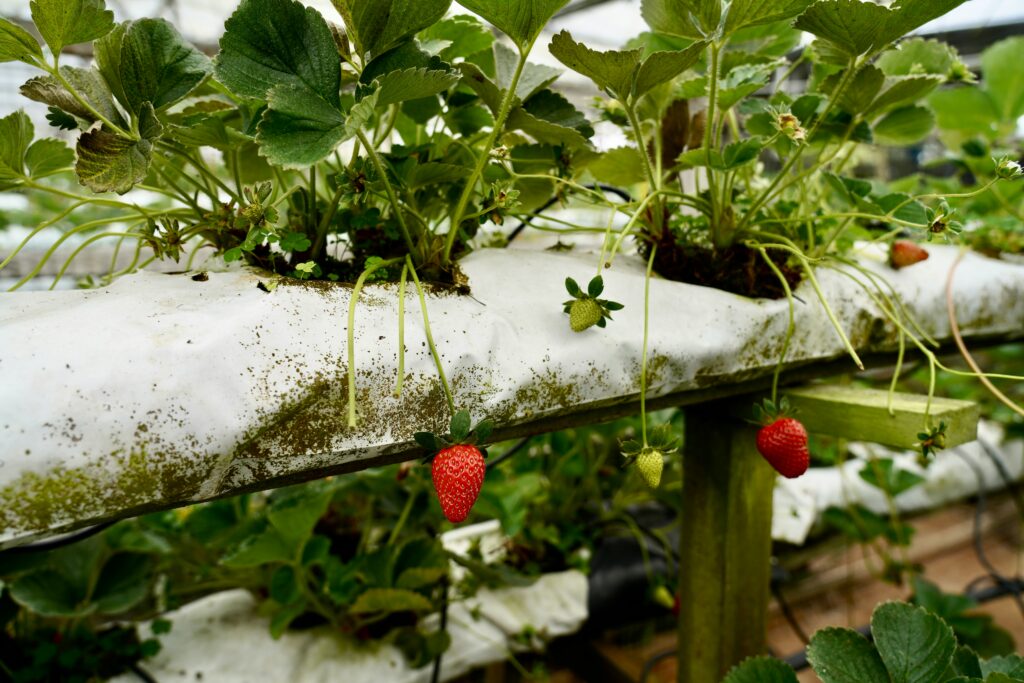
- Select Crops: Leafy greens, herbs, and strawberries are popular beginner crops.
- Prepare Nutrient Solution: Use a balanced mix of macro and micronutrients.
- Monitor pH and EC Levels: Maintain pH 5.5–6.5 and appropriate EC for crop growth.
- Control Environment: Maintain temperature, humidity, and light for optimal growth.
- Regular Maintenance: Check pumps, nutrient levels, and plant health daily.
Starting small and scaling gradually is the best approach to minimize risk and maximize learning.
Conclusion
Hydroponics farming offers an innovative solution to the challenges of modern agriculture. It provides higher productivity, water efficiency, and urban-friendly cultivation, making it a promising method for sustainable food production.
Get daily updates, tips, and expert advice on innovative farming techniques!
Join our WhatsApp Agriculture Updates Channel: 👉 https://www.whatsapp.com/channel/0029VbBz1Ni5vKAHRbmLNy45