

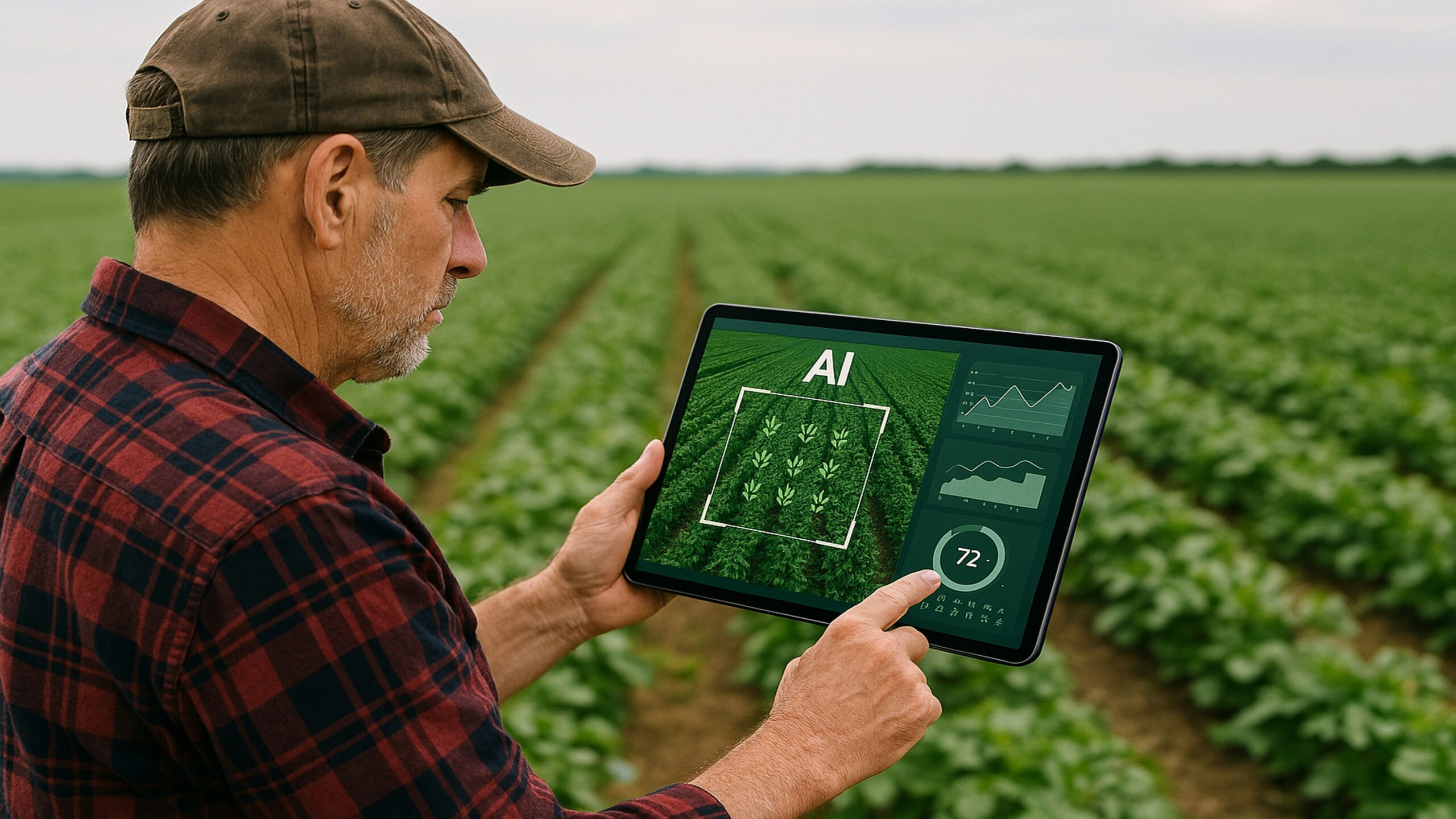
Farming has always been about working with nature, but in the 21st century, it’s also about working with technology. Precision agriculture (PA) is transforming the way farmers grow crops, manage resources, and make decisions. By leveraging data, sensors, drones, and AI, farmers can optimize inputs, reduce waste, and improve yields like never before.
In this blog, we’ll explore the concept, benefits, and practical applications of precision agriculture for modern farms.
What Is Precision Agriculture?
Precision agriculture is the practice of using technology to monitor and manage crops and soil at a very detailed, site-specific level. Unlike traditional farming, which applies the same inputs uniformly across a field, PA tailors interventions based on data-driven insights, ensuring resources are used exactly where and when needed.
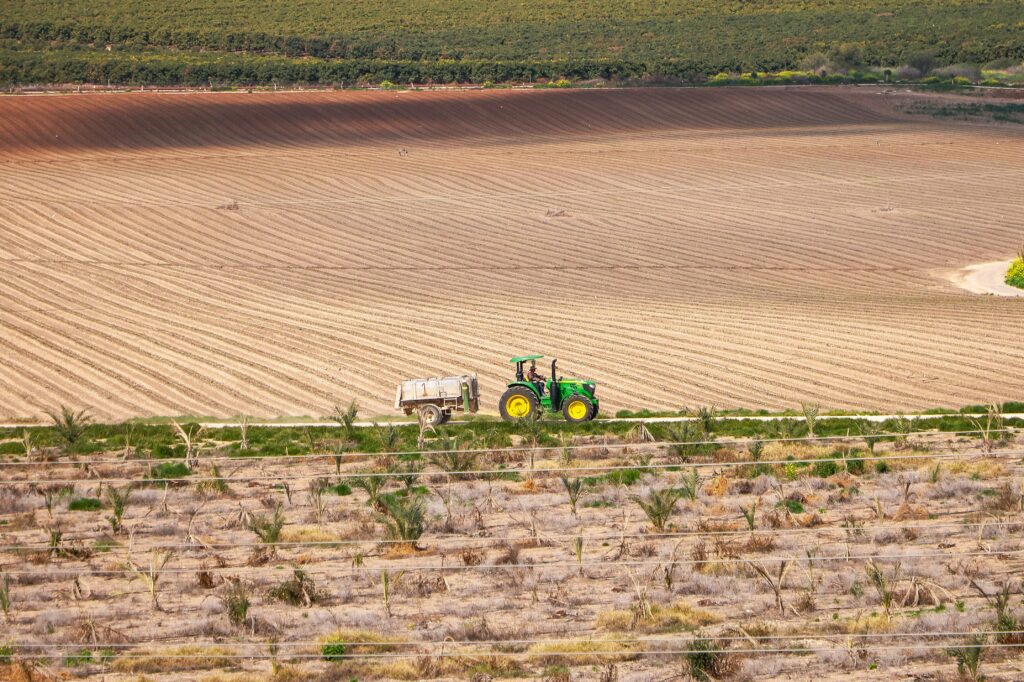
Key tools include:
- GPS-guided tractors
- Remote sensing drones
- Soil moisture and nutrient sensors
- Satellite imagery
- Data analytics platforms
By combining these tools, farmers can make informed decisions on irrigation, fertilization, pest control, and planting.
Benefits of Precision Agriculture
1. Increased Crop Yields
Precision agriculture helps identify variations within fields and address them precisely. By applying nutrients, water, or pesticides only where needed, crop health improves, leading to higher yields.
2. Resource Optimization
Water, fertilizers, and chemicals are applied in optimal amounts, reducing waste and lowering costs. This also minimizes environmental impact.
3. Early Problem Detection
Sensors and drones detect pest infestations, disease, or nutrient deficiencies early, allowing timely interventions before damage spreads.
4. Labor Efficiency
Automated machinery and data-driven planning reduce manual labor and increase operational efficiency.
5. Sustainability
Reducing chemical inputs, water usage, and soil erosion supports sustainable agriculture and enhances long-term farm productivity.
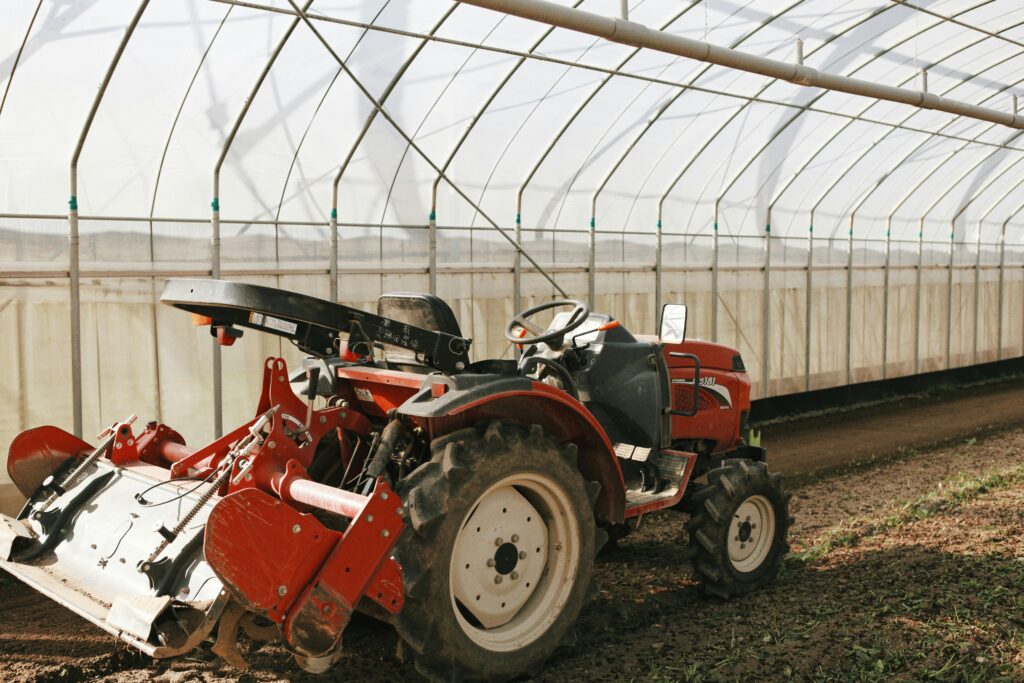
Core Technologies in Precision Agriculture
1. GPS and GIS Mapping
Farmers can map fields and identify zones with different soil fertility, moisture, or yield potential. GPS-guided equipment ensures precise planting, fertilizing, and harvesting.
2. Remote Sensing and Drones
Drones capture real-time images of crop health, detecting stress, disease, or nutrient deficiencies that may not be visible from the ground.
3. Soil and Crop Sensors
Sensors in the soil measure moisture, pH, and nutrient levels. Crop-mounted sensors monitor growth and stress, providing actionable insights.
4. Data Analytics and AI
Collected data is analyzed to predict trends, recommend interventions, and optimize planting schedules. AI-driven insights make farming more proactive rather than reactive.
5. Variable Rate Technology (VRT)
VRT allows machinery to apply seeds, fertilizers, or pesticides at different rates across a single field, maximizing efficiency and minimizing waste.
Practical Steps for Farmers to Start with Precision Agriculture
- Start Small: Implement sensors or VRT on a portion of your field before scaling up.
- Use Drones or Satellite Imagery: Monitor crop health and spot problem areas early.
- Adopt Soil Testing and Mapping: Understand variability across fields.
- Leverage Farm Management Software: Track data, inputs, and outputs for better decision-making.
- Train Staff: Ensure operators understand technology and can maintain equipment.
- Integrate Gradually: Combine traditional knowledge with modern tools for a smooth transition.
Conclusion
Precision agriculture is no longer the future—it’s the present. By adopting technology-driven farming practices, farmers can increase efficiency, reduce costs, protect the environment, and improve yields. It’s a win-win solution for farmers, consumers, and the planet.
Stay updated with the latest agriculture trends, tips, and expert insights!
Join our WhatsApp Agriculture Updates Channel: 👉 https://www.whatsapp.com/channel/0029VbBz1Ni5vKAHRbmLNy45