

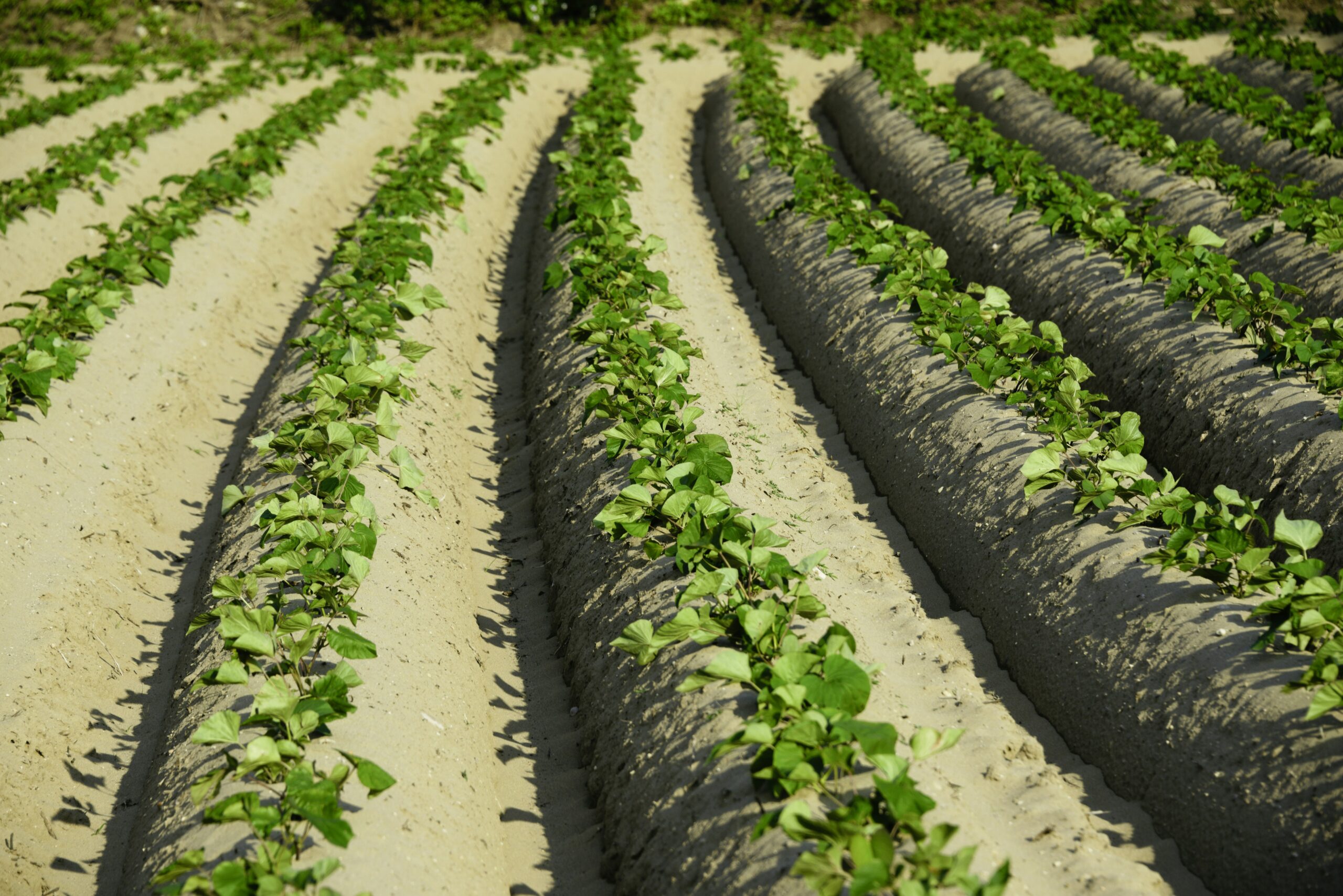
Agriculture across the world is entering a new era—one defined not just by productivity, but by sustainability, resilience, and ecological balance. At the heart of this movement lies regenerative agriculture, a holistic farming approach designed to improve soil health, increase biodiversity, and enhance long-term farm profitability. Unlike conventional farming, which often focuses on maximizing yield through synthetic inputs, regenerative agriculture aims to restore ecosystems while maintaining productivity.
In this blog, we explore what regenerative agriculture is, why it matters, and how farmers can practically implement it in their fields.
What Is Regenerative Agriculture?
Regenerative agriculture is a farming philosophy and set of practices that restore soil organic matter, improve water cycles, and build long-term agricultural resilience.
It goes beyond “sustainability,” which focuses on maintaining current conditions. Regenerative agriculture actively improves farm ecosystems over time.
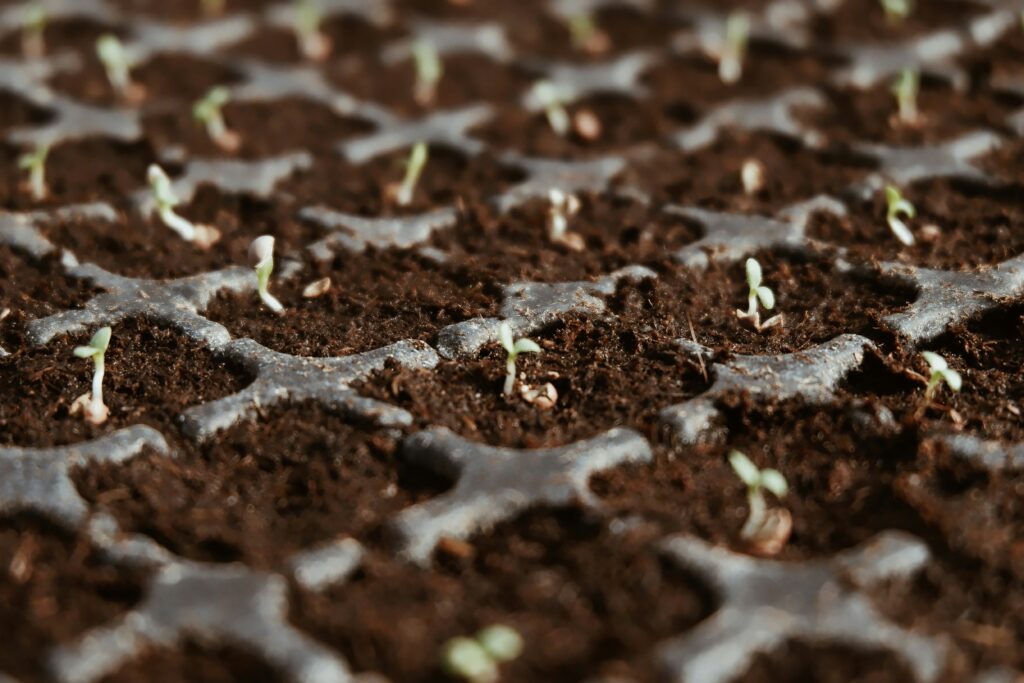
Key principles include:
- Minimizing soil disturbance
- Maximizing crop diversity
- Keeping the soil covered
- Maintaining living roots year-round
- Integrating livestock responsibly
These principles work together to regenerate soil—a living ecosystem essential for healthy crops, climate resilience, and economic stability.
Why Regenerative Agriculture Matters
1. Soil Health Restoration
Soil degradation is one of the biggest challenges in modern agriculture. Over-tillage, chemical overuse, and monocropping reduce soil microorganisms and structure.
Regenerative practices rebuild soil organic matter, strengthen soil aggregates, and increase beneficial microbes, leading to more fertile fields.
2. Improved Water Retention
Healthy soil acts like a sponge. With better structure and organic matter, it can absorb more water, reducing irrigation needs and preventing erosion.
3. Enhanced Biodiversity
Crop diversity and reduced chemical dependency help restore natural predators, pollinators, and soil organisms crucial to a healthy farm ecosystem.
4. Climate Resilience
Regenerative soils store more carbon, helping mitigate climate change. Additionally, farms become more resilient to droughts, floods, and temperature fluctuations.
5. Long-Term Profitability
By reducing input costs and increasing soil productivity over time, regenerative practices can significantly improve farmers’ bottom line.
Core Practices of Regenerative Agriculture
1. Conservation Tillage
Reducing or eliminating plowing helps preserve soil structure and microbial life.
No-till or minimum-till systems reduce erosion and fuel use while improving water retention.
2. Cover Cropping
Cover crops like clover, rye, and legumes protect soil from erosion, add nutrients, suppress weeds, and support beneficial insects.
3. Crop Rotation and Diversity
Rotating crops breaks pest cycles and increases soil nutrients naturally. Diverse cropping systems create healthier ecosystems.
4. Integrating Livestock
Managed grazing distributes manure naturally and stimulates plant growth. Proper rotation prevents overgrazing.
5. Agroforestry
Including trees and shrubs in farmlands improves shade, reduces wind erosion, enhances biodiversity, and provides additional income sources.
6. Reducing Synthetic Inputs
Regenerative farms gradually transition to lower chemical use, relying more on biological pest control, compost, and natural fertilizers.
Practical Steps for Farmers Starting Regenerative Agriculture
- Begin with soil testing to understand current conditions.
- Introduce cover crops to protect and enrich soil.
- Experiment with minimal tilling on a small portion of land.
- Rotate crops more strategically to improve fertility.
- Observe natural systems on your farm—water flow, biodiversity, weed patterns.
- Gradually reduce fertilizers and pesticides as soil health improves.
- Learn from local regenerative farming communities or cooperatives.
Small changes can lead to major improvements over several seasons.
Conclusion
Regenerative agriculture is more than a trend—it’s a pathway to a more resilient, sustainable, and profitable farming future. As the global demand for food grows and climate challenges intensify, adopting regenerative practices will help farmers protect their land, increase yields, and secure their livelihoods for generations to come.
Join our WhatsApp Agriculture Updates Channel for daily tips, market rates, and expert advice!
👉 https://www.whatsapp.com/channel/0029VbBz1Ni5vKAHRbmLNy45