
Water scarcity is becoming one of the biggest challenges for farmers worldwide. As climate change creates more unpredictable rainfall patterns, traditional irrigation methods such as flood irrigation are no longer sustainable.
To address this problem, farmers are shifting toward drip irrigation, a highly efficient method that delivers water directly to plant roots, ensuring minimal wastage and maximum crop growth.
What Is Drip Irrigation?
Drip irrigation is a micro-irrigation system that slowly delivers water to plants through:
- Drip lines
- Emitters
- Tubes
- Valves
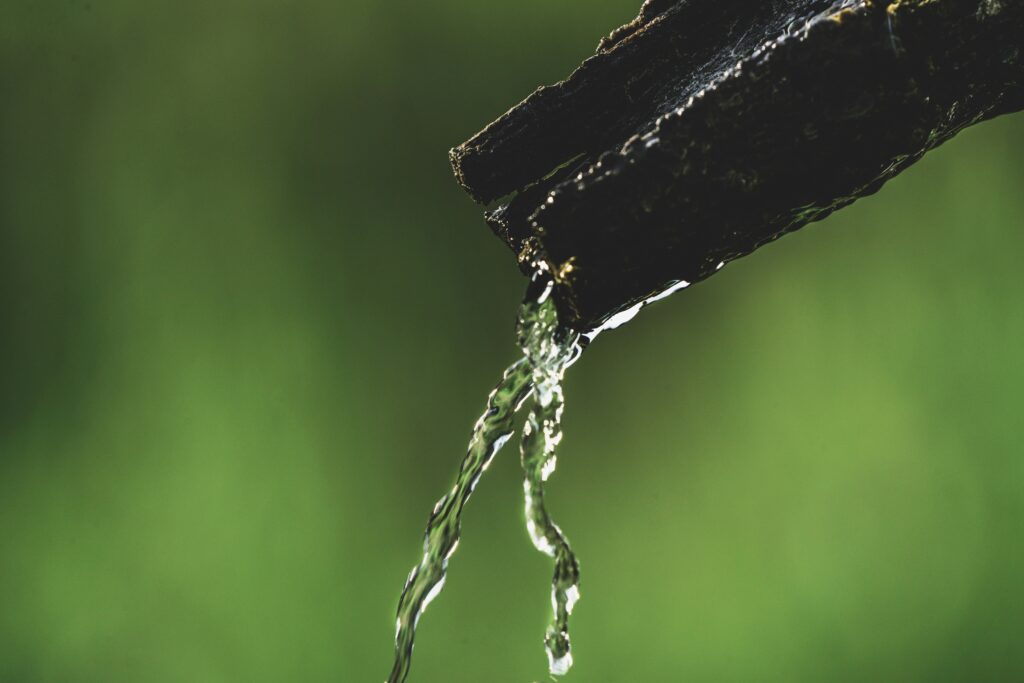
The system releases water drop-by-drop, targeting the root zone for maximum efficiency.
Benefits of Drip Irrigation
1. Up to 60–70% Water Savings
Compared to flood irrigation, drip systems use significantly less water.
2. Increased Crop Yield
Plants receive consistent moisture, improving health and productivity.
3. Reduced Weed Growth
Since water is limited to root zones, surrounding weeds don’t grow easily.
4. Compatible With Fertigation
Fertilizers can be applied through drip lines, improving nutrient uptake.
5. Suitable for All Soil Types
Especially effective in sandy and uneven terrains.
Best Crops for Drip Irrigation
- Vegetables (tomato, chili, cucumber, okra)
- Fruit orchards (pomegranate, mango, banana, grapes)
- Sugarcane
- Cotton
- Flowers and nursery plants
Maintenance Tips
- Regularly flush filters
- Check emitters for clogging
- Maintain pressure levels
- Use clean water
- Monitor moisture levels to avoid overwatering
Conclusion
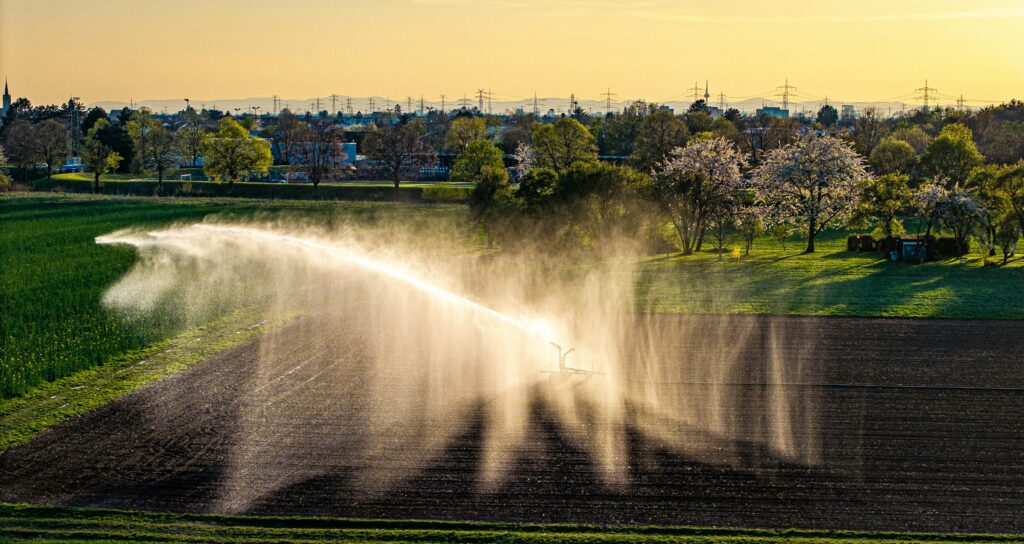
Drip irrigation is one of the most powerful technologies for improving water efficiency and boosting farm productivity. It reduces waste, saves labor, and ensures better crop performance even under dry conditions.
💧 Join our WhatsApp Channel for Daily Agriculture Updates:https://www.whatsapp.com/channel/0029VbBz1Ni5vKAHRbmLNy45