

The Complete Guide to Rice: History, Types, Nutrition, and Health Benefits
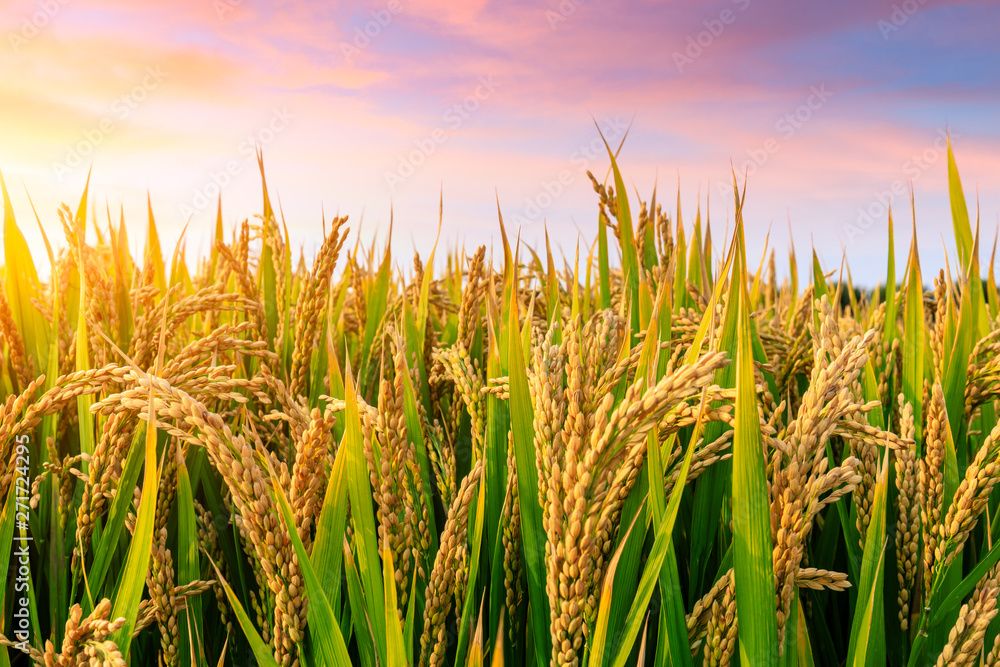
Rice is one of the most important staple foods in the world, feeding more than half of the global population. Its versatility, long shelf life, and nutritional richness have made it a key component of human diets for thousands of years. Whether used in traditional recipes or modern healthy meals, rice continues to play a vital role in global cuisine and nutrition.
In this comprehensive guide, we explore the history, types, benefits, and uses of rice—and why it remains the backbone of food systems worldwide.
What is Rice?
Rice is a cereal grain that belongs to the Poaceae (grass) family. It is cultivated mainly in Asia, Africa, and parts of the Americas. Rice thrives in both wet and dry environments, making it one of the most adaptable grains in agriculture.
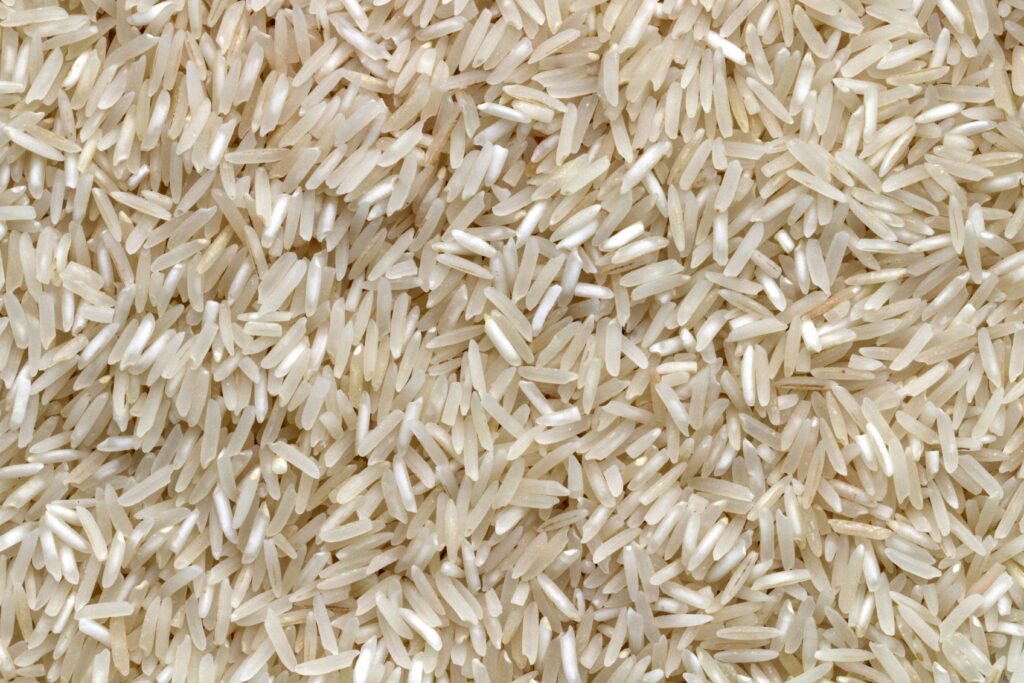
There are thousands of varieties of rice, each with its own taste, texture, and nutritional profile. It is primarily consumed as a cooked grain or used to produce flour, noodles, snacks, beverages, and more.
A Brief History of Rice
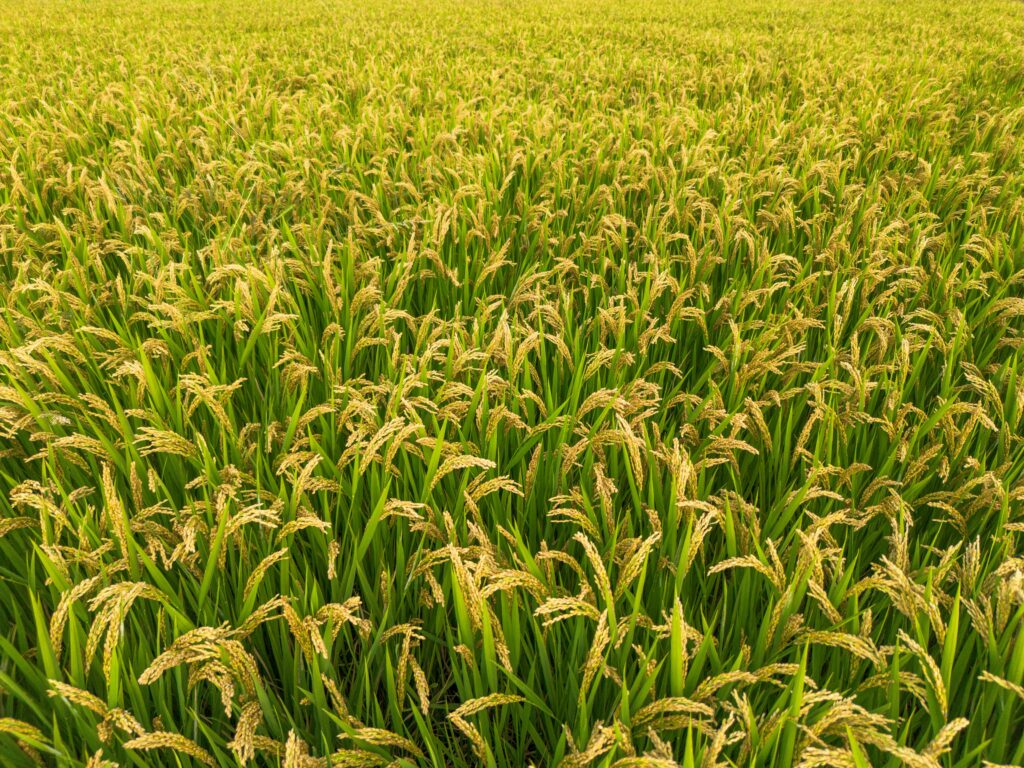
Rice cultivation began nearly 10,000 years ago in Asia. Archaeological evidence traces its origin to China and India, from where it spread to Southeast Asia, the Middle East, Europe, and eventually the Americas.
Today, rice is a global food, with major producers including:
- China
- India
- Indonesia
- Bangladesh
- Vietnam
- Thailand
Over the centuries, rice has become deeply rooted in cultural traditions, celebrations, and cuisines worldwide.
Types of Rice
Rice is categorized based on length, color, aroma, and processing. Here are some of the most popular types:
1. Long-Grain Rice
- Stays fluffy and separated when cooked
- Examples: Basmati, Jasmine
2. Medium-Grain Rice
- Slightly sticky texture
- Common in Mediterranean dishes
3. Short-Grain Rice
- Very sticky and soft
- Examples: Sushi rice, some Japanese varieties
4. Brown Rice
- Whole grain
- Retains bran and germ layer
- Rich in fiber and nutrients
5. White Rice
- Most commonly consumed
- Easy to digest
- Smooth texture and mild flavor
6. Aromatic Rice
- Naturally fragrant
- Examples: Basmati, Jasmine
7. Black Rice
- Also called Forbidden Rice
- Rich in antioxidants
8. Red Rice
- Contains high levels of fiber and minerals
Nutritional Value of Rice
Rice is an excellent source of energy and provides several important nutrients:
Key Nutrients in Rice
- Carbohydrates
- Protein
- B vitamins (thiamine, niacin, riboflavin)
- Iron
- Magnesium
- Manganese
- Dietary fiber (especially in brown rice)
While white rice is more refined, brown rice contains more fiber, vitamins, and minerals because it is less processed.
Health Benefits of Rice
1. Provides Quick Energy
Rice is rich in carbs, making it an ideal source of energy for daily activities.
2. Supports Digestive Health
Brown rice is high in fiber, helping maintain healthy digestion and preventing constipation.
3. Gluten-Free Grain
Rice is naturally gluten-free, making it suitable for people with gluten intolerance or celiac disease.
4. Helps in Weight Management
Brown rice keeps you full for longer due to its high fiber content.
5. Good for Heart Health
Whole grain rice varieties contain antioxidants that reduce inflammation and support cardiovascular health.
6. Supports Bone Health
Rice contains magnesium and manganese, essential minerals for strong bones.
Common Uses of Rice
Rice is incredibly versatile and used in countless ways:
- Culinary Uses: Biryani, fried rice, sushi, risotto, rice bowls
- Flour: Used in baking, noodles, and gluten-free recipes
- Snacks: Rice cakes, puffed rice, rice crackers
- Beverages: Rice milk, rice water
- Traditional Medicines: Used in various cultures for healing and soothing remedies
How to Choose the Right Rice?
For Healthy Meals
- Brown rice
- Black rice
- Red rice
For Aromatic Dishes
- Basmati
- Jasmine
For Desserts
- Short-grain rice
- Sticky rice
For Everyday Cooking
- White long-grain rice
Tips for Proper Rice Storage
- Store rice in an airtight container.
- Keep in a cool, dry place.
- Brown rice should be refrigerated to prevent spoilage.
- Avoid moisture to extend shelf life.
Conclusion
Rice is more than just a staple food—it is a symbol of culture, tradition, and nourishment. With its diverse varieties and impressive nutritional profile, rice continues to be a vital part of diets worldwide. Whether you enjoy it in a savory dish, a dessert, or as a healthy whole grain, rice offers something for everyone.