

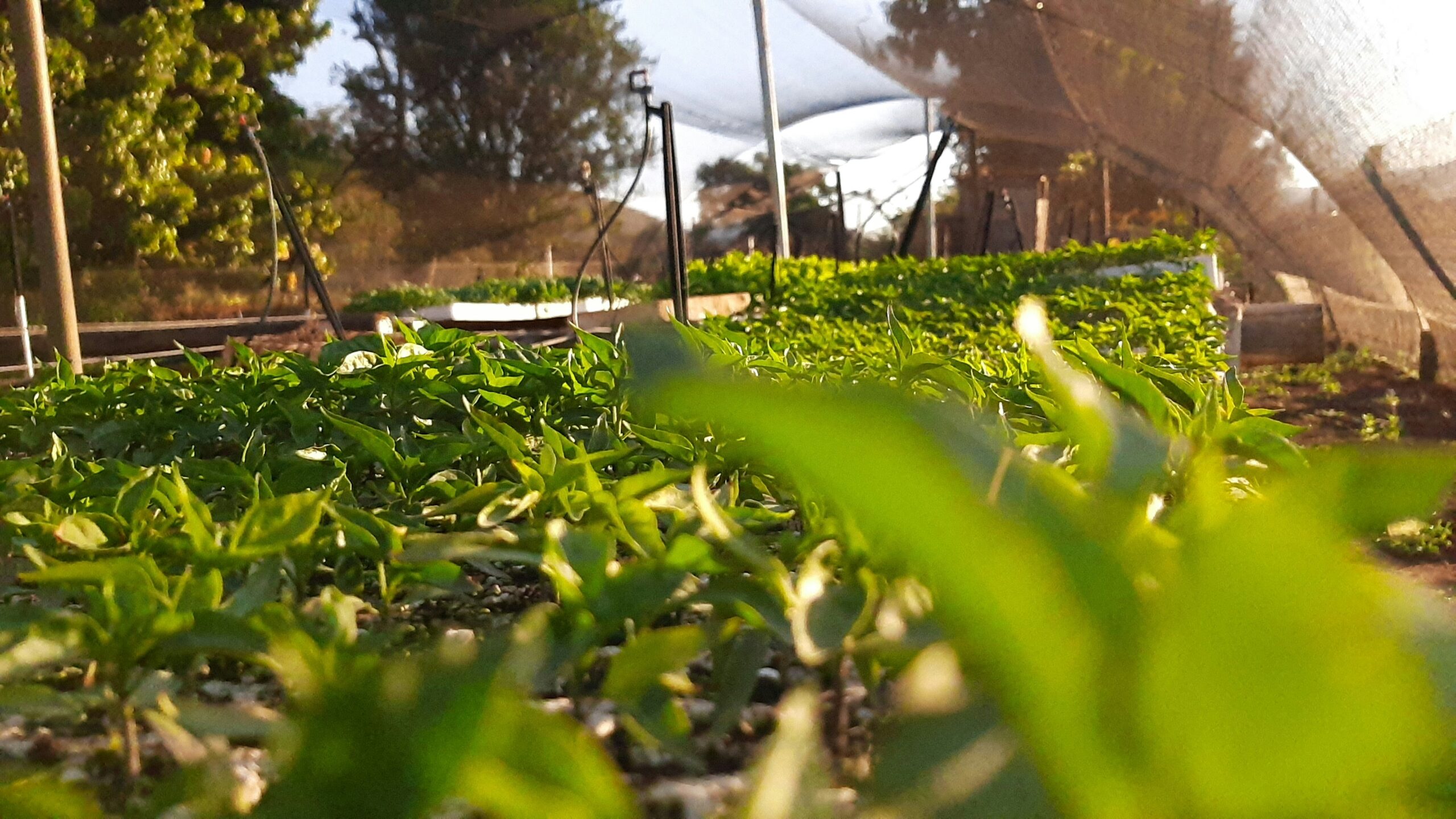
Hydroponics is a modern method of growing plants without soil. Instead, crops are grown in nutrient-rich water, which delivers all essential minerals directly to the roots. This farming technique is becoming popular in urban areas, commercial farms, and greenhouses.
How Hydroponics Works
In hydroponics, plants grow in:
- Nutrient solutions
- Coco peat
- Perlite
- Rockwool
These systems deliver balanced nutrients, oxygen, and moisture efficiently.
Types of Hydroponic Systems
1. Nutrient Film Technique (NFT)
A thin film of nutrient solution flows through channels holding plant roots.
2. Deep Water Culture (DWC)
Plants float on nutrient water with aerators supplying oxygen.
3. Drip Hydroponics
Nutrient water is dripped at the root zone.
4. Aeroponics
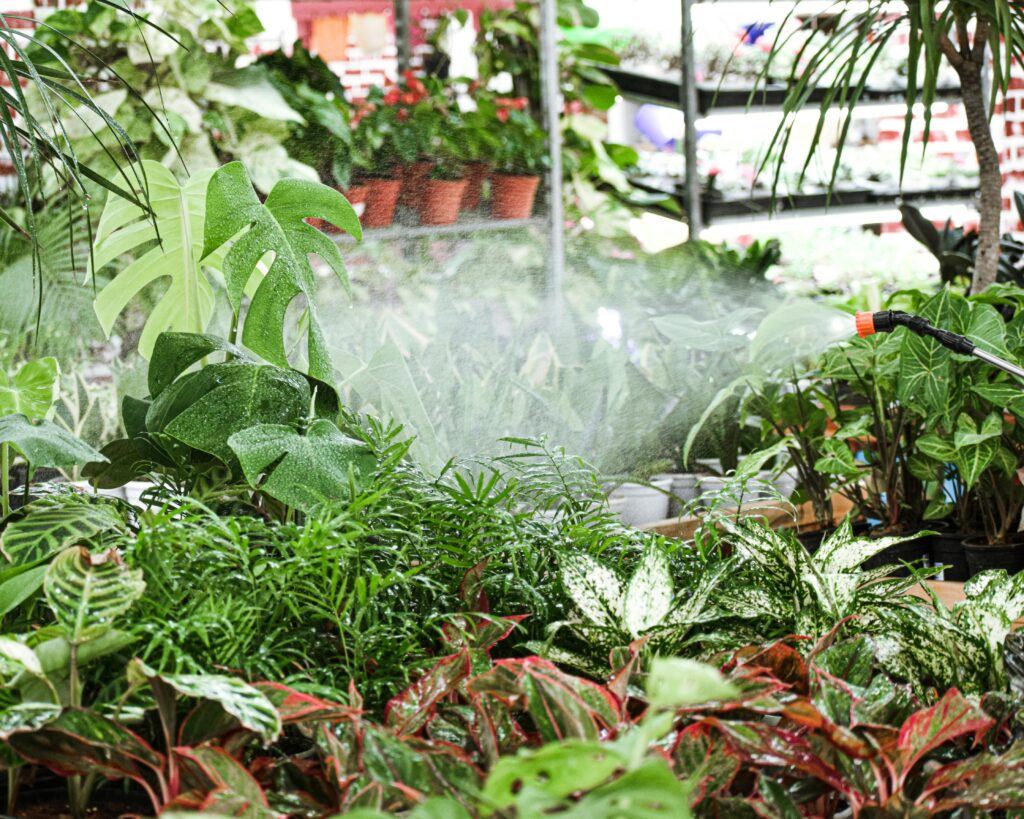
Roots hang in the air and are misted with nutrient spray.
Benefits of Hydroponic Farming
1. Up to 90% Water Savings
Because water circulates and is reused.
2. Faster Growth
Plants absorb nutrients directly, promoting rapid development.
3. No Soil-Borne Diseases
Cleaner, pest-free growing environment.
4. Year-Round Production
Controlled indoor conditions allow 365-day cultivation.
5. High Profit Potential
Ideal for premium vegetables and herbs.
Best Crops for Hydroponics
- Lettuce
- Spinach
- Basil
- Tomatoes
- Strawberries
- Cucumbers
- Bell peppers
Conclusion
Hydroponic farming is a future-ready, resource-efficient solution for urban and commercial agriculture. With rising demand for clean, pesticide-free produce, this system offers excellent profit opportunities.
💧 Join our WhatsApp Channel for More Hydroponics Updates: https://www.whatsapp.com/channel/0029VbBz1Ni5vKAHRbmLNy45