

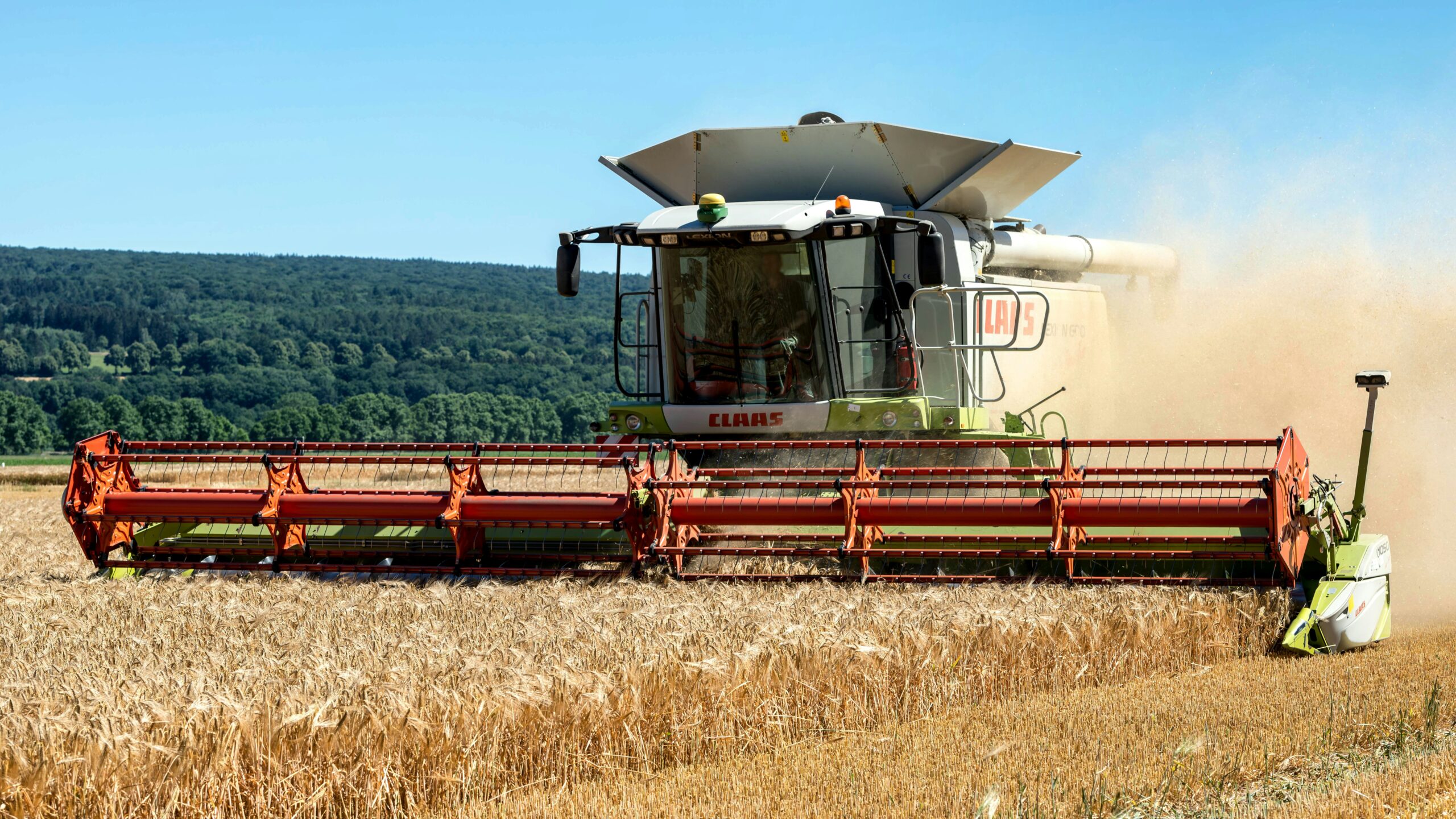
Farm mechanization plays a crucial role in transforming traditional agriculture into a more efficient, productive, and profitable system. As labor shortages increase and farming costs rise, the use of agricultural machinery has become essential for timely farm operations and higher yields. Farm mechanization involves the use of machines and tools to perform various agricultural activities such as land preparation, sowing, irrigation, crop protection, harvesting, and post-harvest handling.
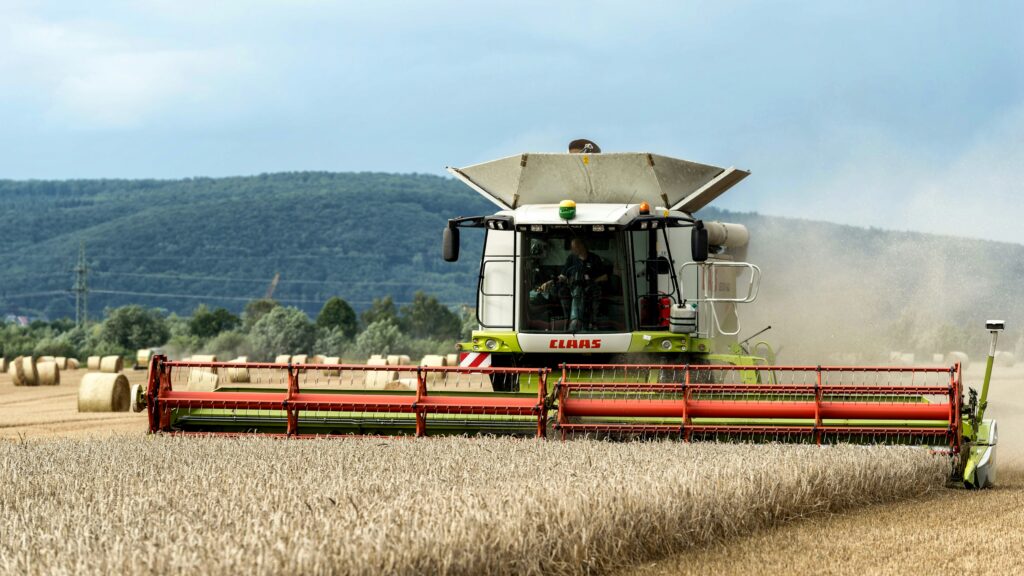
One of the most significant benefits of farm mechanization is increased productivity. Machines allow farmers to complete operations faster and more accurately than manual labor. Timely land preparation and sowing ensure better crop establishment, uniform growth, and higher yields. Mechanized harvesting reduces crop losses and ensures that produce is collected at the optimal stage of maturity.
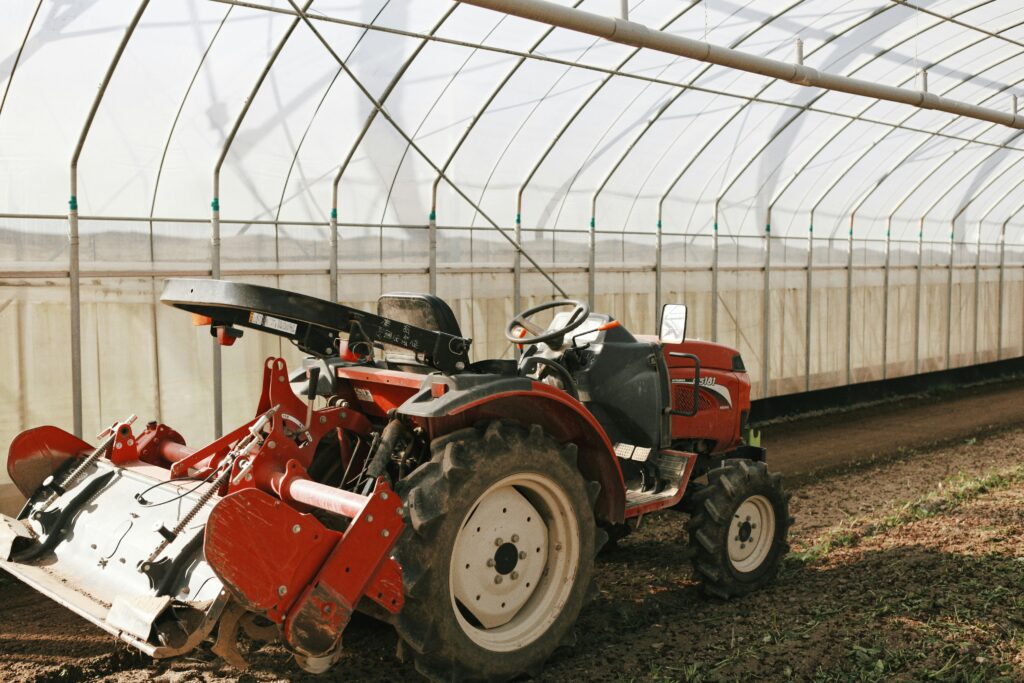
Farm mechanization also helps reduce labor dependency. In many regions, agricultural labor is becoming scarce and expensive due to urban migration. Machines such as tractors, seed drills, sprayers, and harvesters reduce the need for manual labor while increasing operational efficiency. This allows farmers to manage larger areas of land with fewer workers.
Precision and consistency are key advantages of mechanized farming. Seed drills place seeds at the correct depth and spacing, leading to uniform germination and healthier crops. Mechanized fertilizer spreaders and sprayers ensure even application of nutrients and pesticides, reducing waste and improving effectiveness. This precision improves crop performance and lowers input costs.
Modern farm machinery also supports sustainable agriculture practices. Conservation tillage equipment reduces soil disturbance and prevents erosion. Laser land leveling improves water-use efficiency by ensuring uniform irrigation. Mechanized residue management helps retain crop residues on the field, improving soil organic matter and moisture retention.
Small and medium-scale farmers can also benefit from mechanization through custom hiring services and shared machinery models. Farmer cooperatives and government-supported machinery banks make modern equipment accessible without heavy investment. Training and technical support further improve machinery use and maintenance.
Despite its benefits, farm mechanization requires proper planning and skill development. Farmers must choose machines suitable for their farm size, crop type, and soil conditions. Regular maintenance and safe operation are essential to ensure long-term performance and reduce costs.
In conclusion, farm mechanization is a key driver of modern agriculture. By improving efficiency, reducing labor dependency, and supporting sustainable practices, mechanization enhances farm productivity and profitability. When combined with good management and appropriate technology, it helps farmers meet the challenges of modern farming and ensures long-term agricultural growth.
Join our WhatsApp Channel for daily agriculture knowledge, modern farming techniques, and expert guidance:http://whatsapp.com/channel/0029VbBz1Ni5vKAHRbmLNy45