

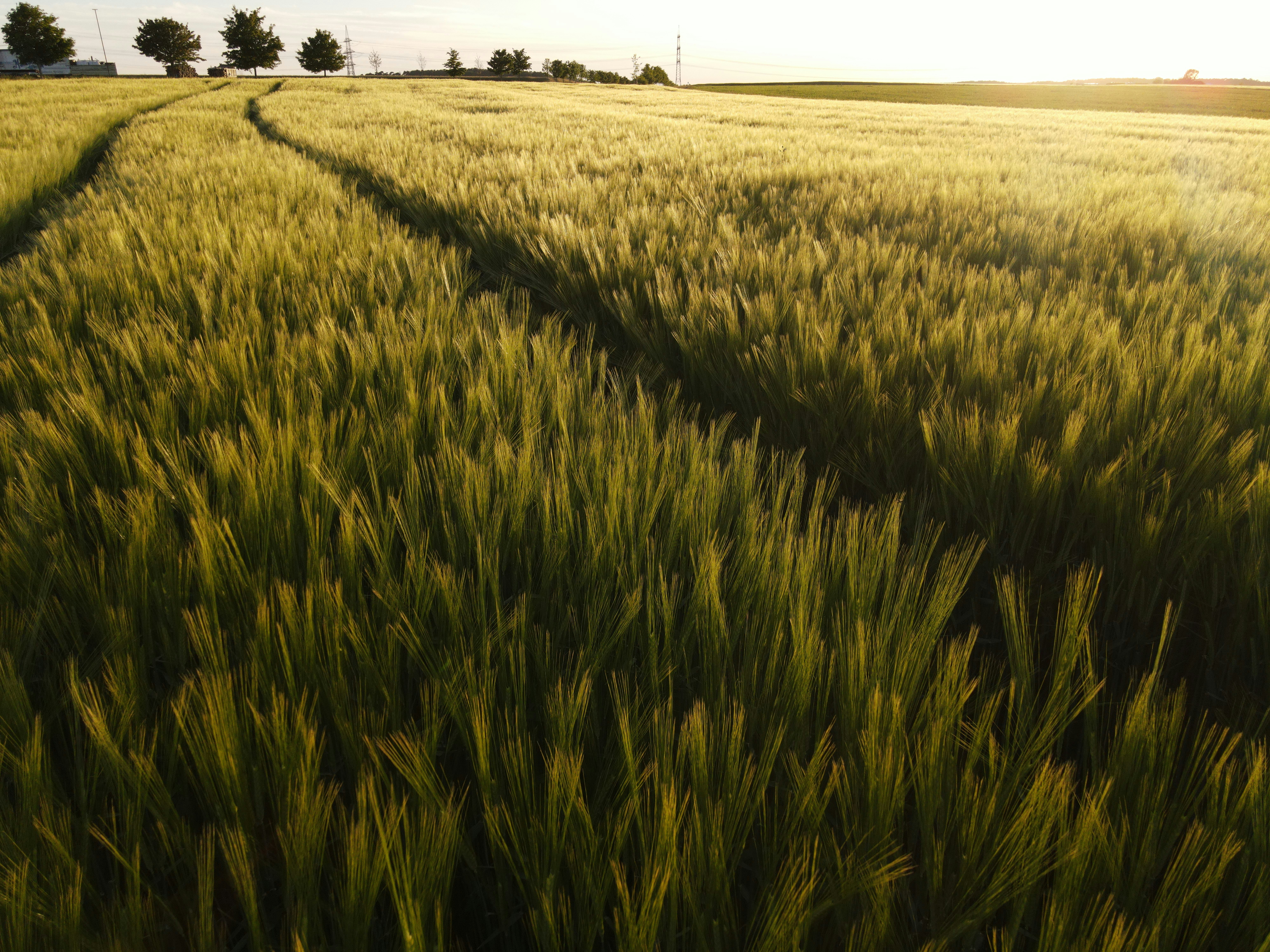
Climate change has become one of the most serious challenges facing global agriculture. Rising temperatures, irregular rainfall, droughts, floods, and extreme weather events are directly affecting crop productivity and farmer incomes. To cope with these challenges, farmers around the world are adopting Climate-Smart Agriculture, a modern approach that focuses on increasing productivity while building resilience and protecting natural resources. This farming system is not a single technique but a combination of practices designed to adapt agriculture to changing climate conditions.
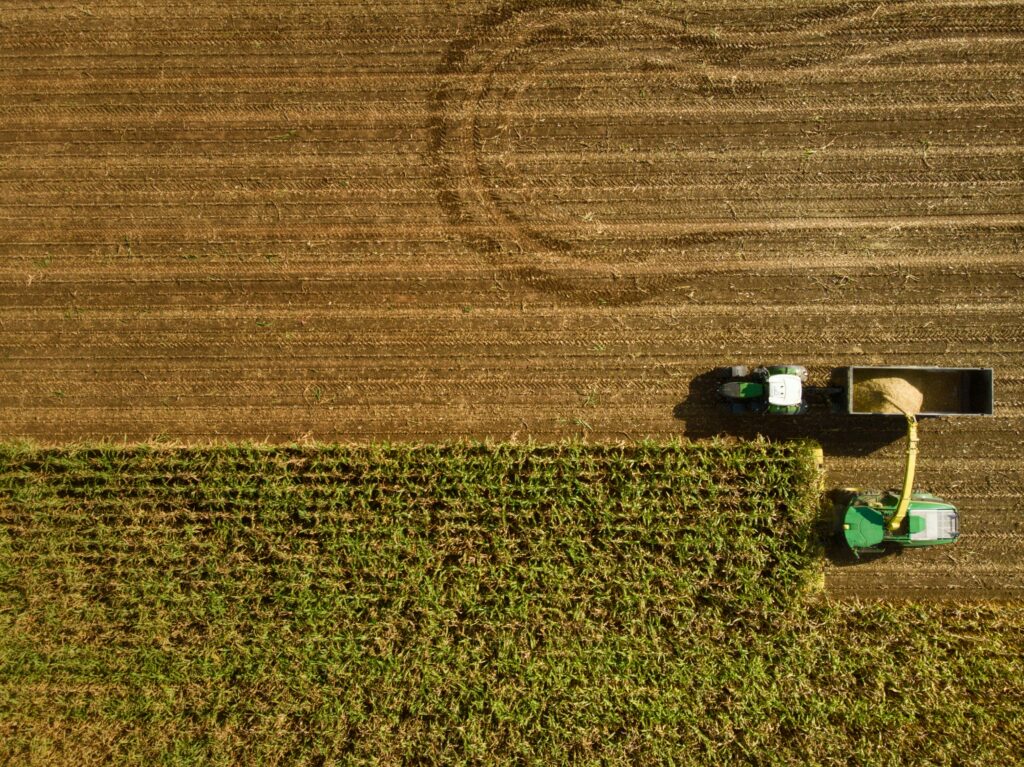
Climate-Smart Agriculture aims to achieve three main goals: sustainably increasing agricultural productivity, strengthening farmers’ ability to adapt to climate change, and reducing greenhouse gas emissions wherever possible. By balancing these objectives, CSA supports long-term food security and environmental sustainability.
One of the most important aspects of Climate-Smart Agriculture is soil health management. Healthy soil acts as a natural reservoir for water and nutrients, helping crops withstand drought and heavy rainfall. Practices such as minimum tillage, cover cropping, compost application, and crop rotation improve soil structure and increase organic matter. When soil organic carbon increases, the soil becomes more fertile, retains moisture longer, and supports beneficial microorganisms that promote plant growth.
Water management is another key pillar of climate-smart farming. Efficient irrigation techniques like drip irrigation and sprinkler systems ensure that crops receive the right amount of water without wastage. Rainwater harvesting and farm ponds help store water during rainy seasons for use during dry periods. Mulching with crop residues or organic materials reduces evaporation and keeps the soil cooler, protecting plant roots from heat stress.
Crop diversification plays a major role in reducing climate-related risks. Growing multiple crops instead of relying on a single crop spreads risk and improves farm resilience. If one crop fails due to drought or pests, other crops can still provide income. Climate-resilient crop varieties, such as drought-tolerant or heat-resistant seeds, are specially developed to perform well under extreme conditions. These varieties mature faster, require less water, and offer more stable yields.
Agroforestry is another effective climate-smart practice that integrates trees with crops and livestock. Trees provide shade, reduce wind speed, prevent soil erosion, and improve biodiversity. They also help capture carbon from the atmosphere and store it in biomass and soil. Farmers benefit from additional income through fruits, fodder, timber, or fuelwood while improving overall farm sustainability.
Livestock management is also part of Climate-Smart Agriculture. Improved feeding practices, rotational grazing, and better animal health care reduce methane emissions and improve productivity. Proper manure management converts animal waste into organic fertilizer, reducing the need for chemical inputs while improving soil fertility.
Modern technology supports climate-smart farming by providing accurate data and timely information. Weather forecasting apps, soil sensors, satellite imagery, and mobile advisory services help farmers make informed decisions about planting, irrigation, and pest control. These tools reduce losses and increase efficiency by enabling proactive rather than reactive farm management.
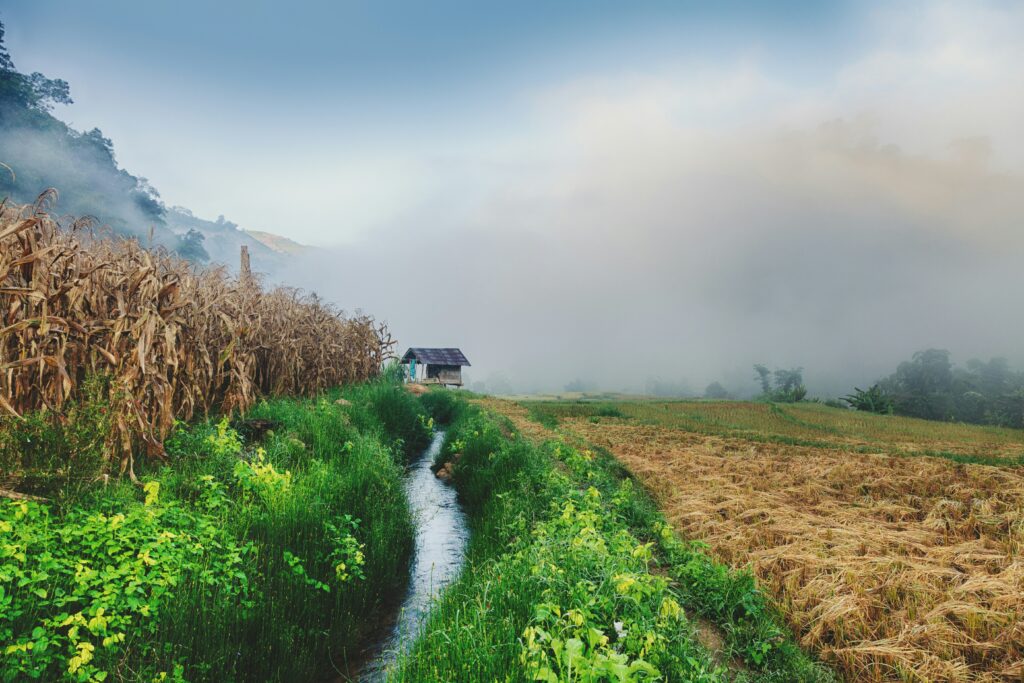
The economic benefits of Climate-Smart Agriculture are significant. Reduced input costs, stable yields, and improved resource efficiency lead to higher long-term profits. Farmers also become less vulnerable to climate shocks, which protects livelihoods and ensures consistent food supply. Governments and agricultural organizations in many countries are supporting CSA through training programs, subsidies, and climate-resilient farming schemes.
In conclusion, Climate-Smart Agriculture offers a practical and sustainable pathway for modern farming in a changing climate. By improving soil health, conserving water, diversifying crops, integrating trees and livestock, and using smart technologies, farmers can adapt to climate challenges while maintaining productivity. CSA is not just a solution for today but an investment in the future of agriculture, ensuring food security, environmental protection, and economic stability for generations to come.
Join our WhatsApp Channel for daily agriculture tips, modern farming techniques, and expert guidance: https://www.whatsapp.com/channel/0029VbBz1Ni5vKAHRbmLNy45