

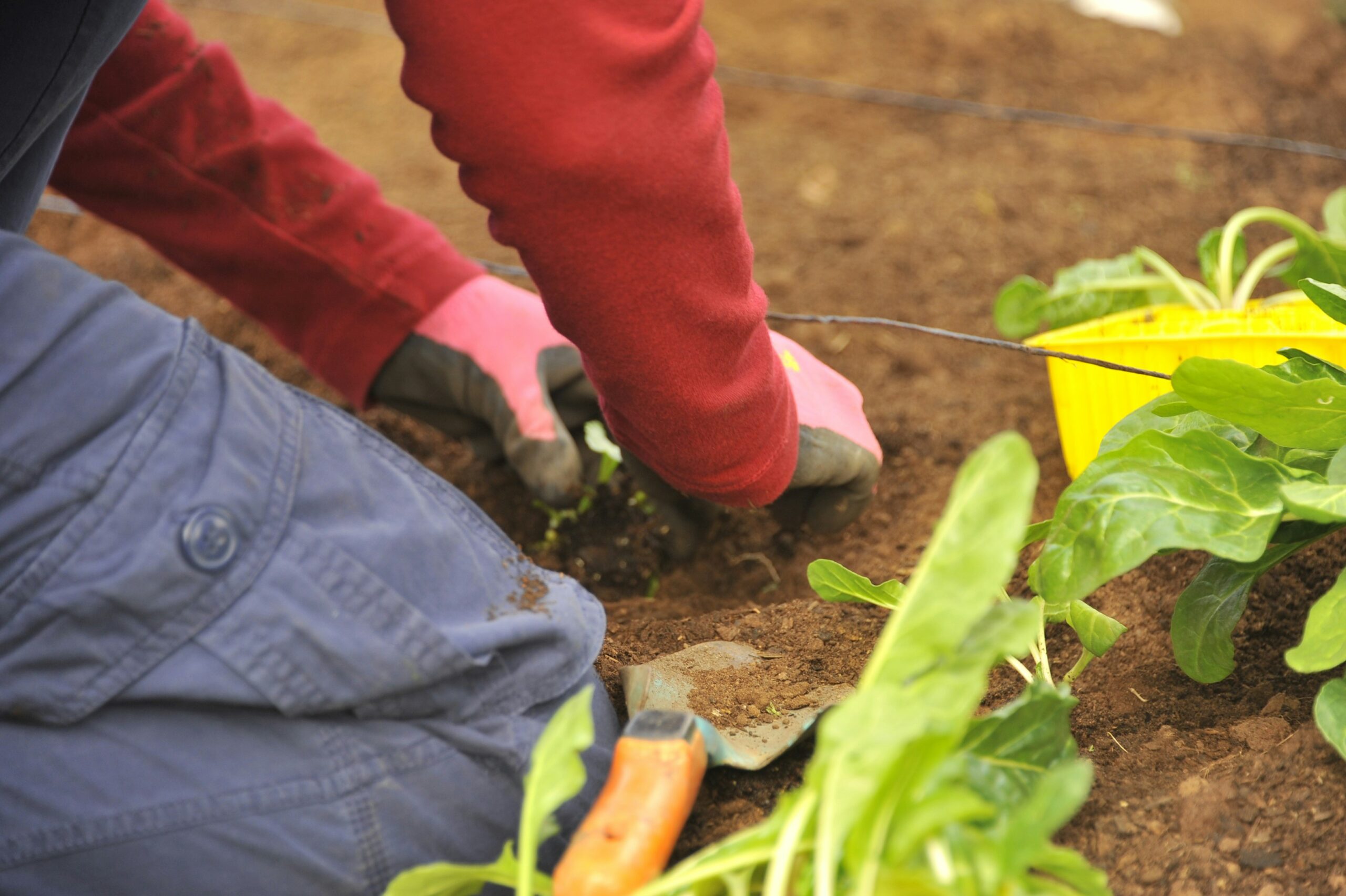
Organic farming is a sustainable agricultural system that focuses on natural processes to maintain soil fertility, control pests, and produce chemical-free food. As consumers become more health-conscious, demand for organic produce is increasing rapidly. This shift offers farmers an opportunity to improve income while protecting the environment.
The foundation of organic farming is soil health. Organic farmers use compost, farmyard manure, green manure, and crop residues to increase organic matter and support beneficial soil organisms. Healthy soil improves nutrient availability, water retention, and root development, leading to strong and resilient crops.
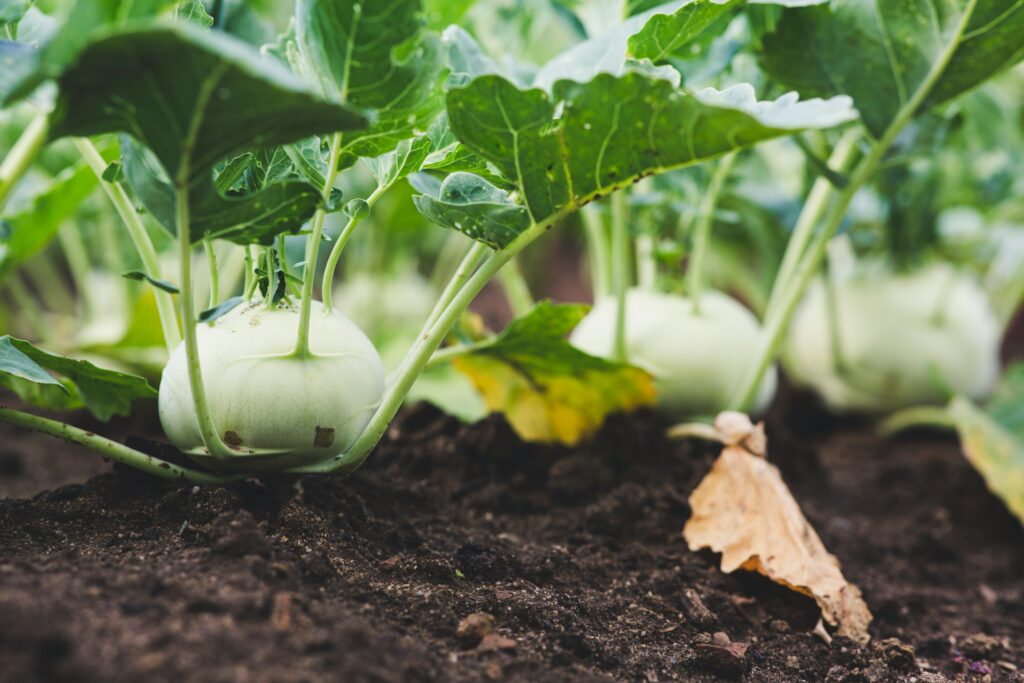
Pest and disease management in organic farming relies on preventive measures rather than chemical solutions. Crop rotation, intercropping, resistant varieties, and biological control agents help maintain ecological balance. Natural products such as neem oil and plant-based extracts are commonly used to manage pests safely.
Organic farming also promotes biodiversity by encouraging the presence of insects, birds, and microorganisms that support natural pest control and pollination. This balanced ecosystem reduces dependency on external inputs and improves farm resilience.
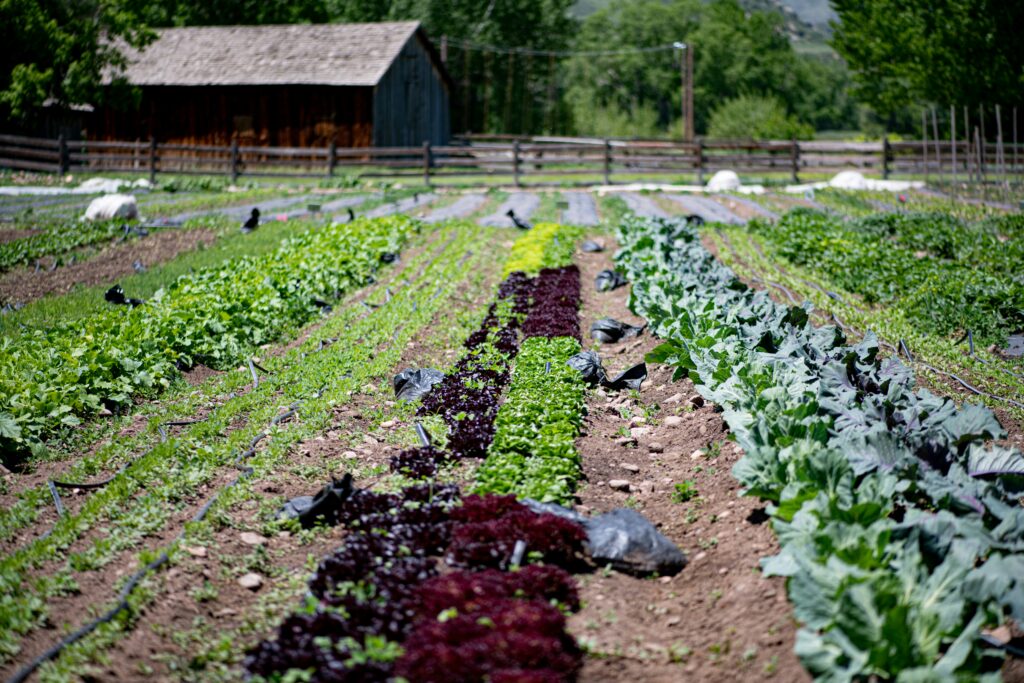
While organic farming may initially produce slightly lower yields, the long-term benefits are significant. Reduced input costs, premium market prices, and improved soil fertility make organic farming economically viable. Over time, yields stabilize as soil health improves.
In conclusion, organic farming is not just a method of cultivation but a commitment to sustainable agriculture. By prioritizing soil health, environmental protection, and food safety, organic farming ensures long-term productivity and benefits for farmers, consumers, and the planet.
Join our WhatsApp Channel for daily organic farming knowledge and expert agriculture insights: http://whatsapp.com/channel/0029VbBz1Ni5vKAHRbmLNy45