

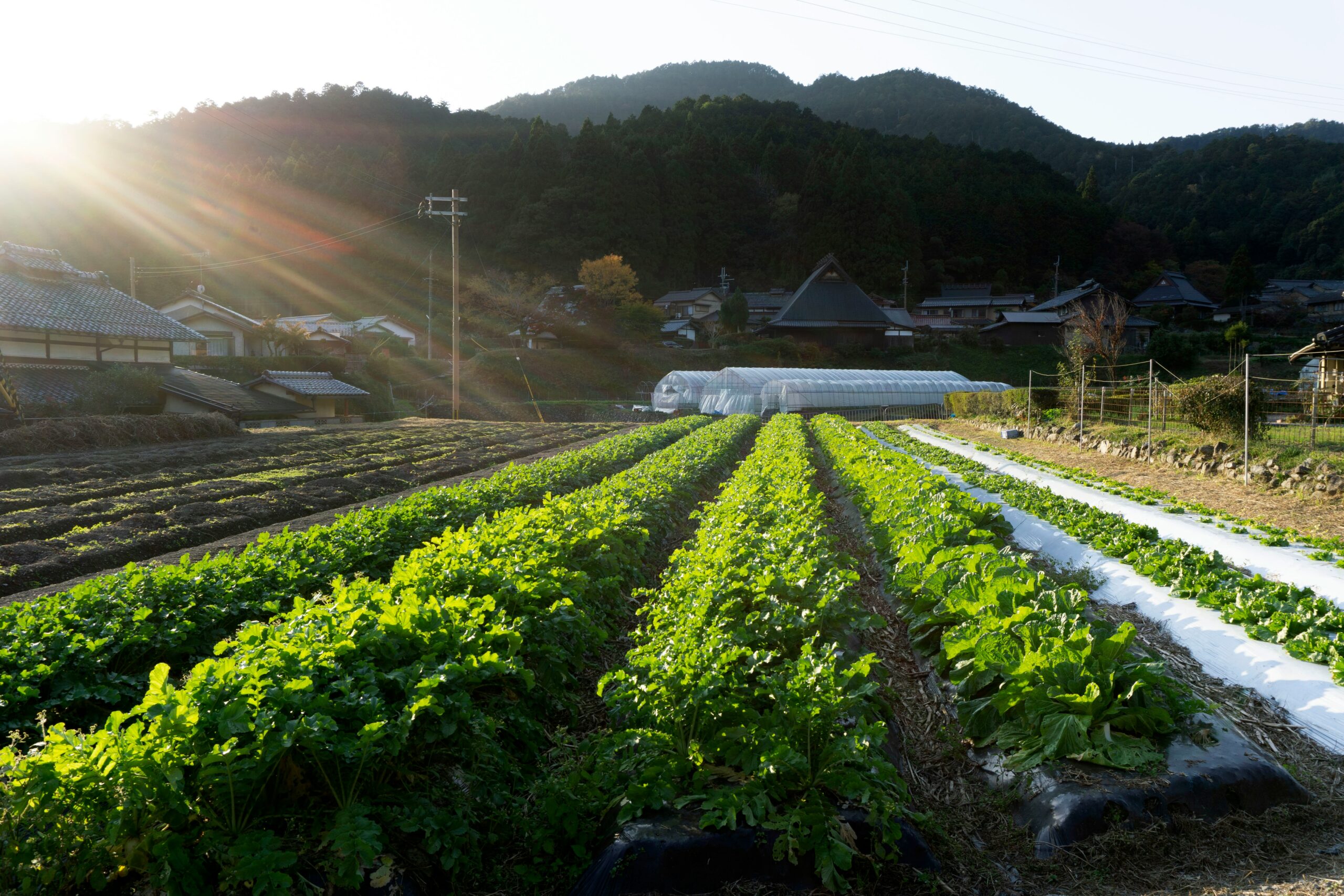
Climate-smart agriculture is an approach that helps farmers adapt to climate change while increasing productivity and reducing environmental impact. With rising temperatures, irregular rainfall, frequent droughts, floods, and pest outbreaks, traditional farming methods are becoming less reliable. Climate-smart agriculture focuses on practical strategies that strengthen farm resilience, protect natural resources, and ensure long-term food security.
The first pillar of climate-smart agriculture is improving productivity in a sustainable way. This involves using improved crop varieties that are tolerant to drought, heat, floods, and diseases. Such varieties provide more stable yields under stress conditions and reduce the risk of crop failure. Efficient use of fertilizers and water further supports productivity while minimizing waste and production costs.
Adaptation to climate variability is another key objective. Farmers adopt practices that help crops withstand extreme weather events. Adjusting planting dates based on weather forecasts, diversifying crops, and using intercropping systems reduce vulnerability to climate shocks. Water conservation methods such as drip irrigation, mulching, and rainwater harvesting help manage water scarcity during dry periods.
Soil health management plays a central role in climate-smart agriculture. Soils rich in organic matter retain more water and nutrients, making crops more resilient to drought and heavy rainfall. Practices such as conservation tillage, cover cropping, and application of organic amendments improve soil structure and reduce erosion. Healthy soil acts as a buffer against climate extremes and supports stable crop growth.
Climate-smart agriculture also focuses on reducing greenhouse gas emissions from farming. Efficient nutrient management lowers nitrous oxide emissions, while improved manure management reduces methane release. Agroforestry systems and cover crops capture carbon from the atmosphere and store it in soil and biomass, contributing to climate change mitigation.
Technology and climate information services strengthen climate-smart farming decisions. Weather forecasting tools, mobile advisory services, and digital platforms provide timely information on rainfall, temperature, and pest risks. These tools help farmers make informed decisions about planting, irrigation, and crop protection, reducing losses caused by unexpected weather events.
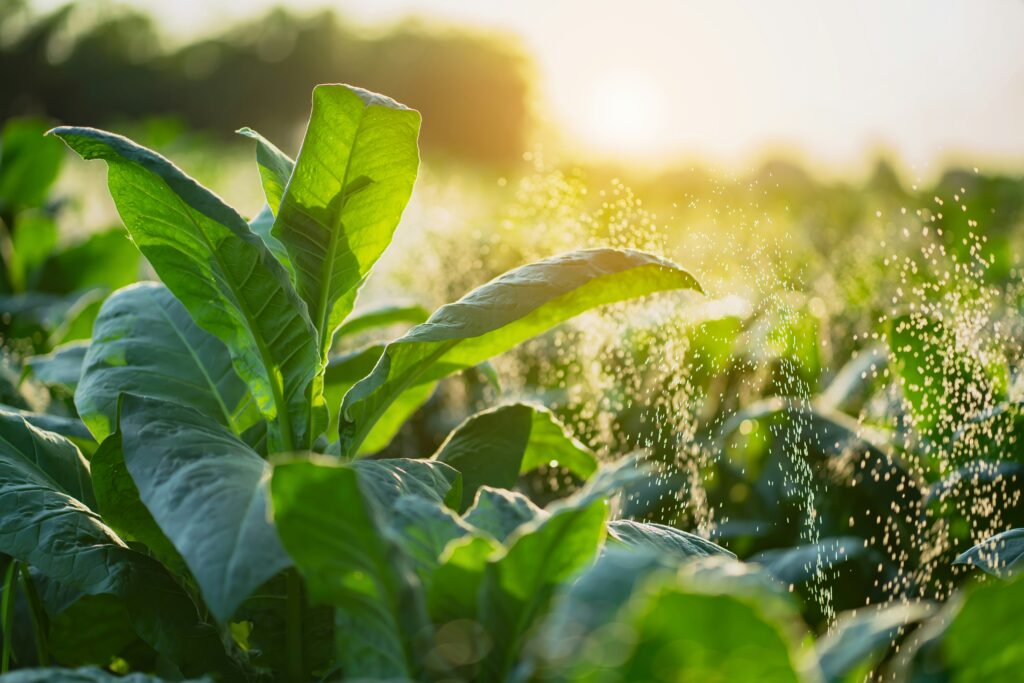
In conclusion, climate-smart agriculture is essential for building resilient farming systems in a changing climate. By integrating productivity improvement, climate adaptation, and environmental protection, farmers can secure their livelihoods and contribute to global food security. Adoption of climate-smart practices ensures sustainable agriculture that benefits farmers, consumers, and the environment alike.
Join our WhatsApp Channel for daily climate-smart farming tips, agriculture updates, and expert guidance: https://www.whatsapp.com/channel/0029VbBz1Ni5vKAHRbmLNy45