

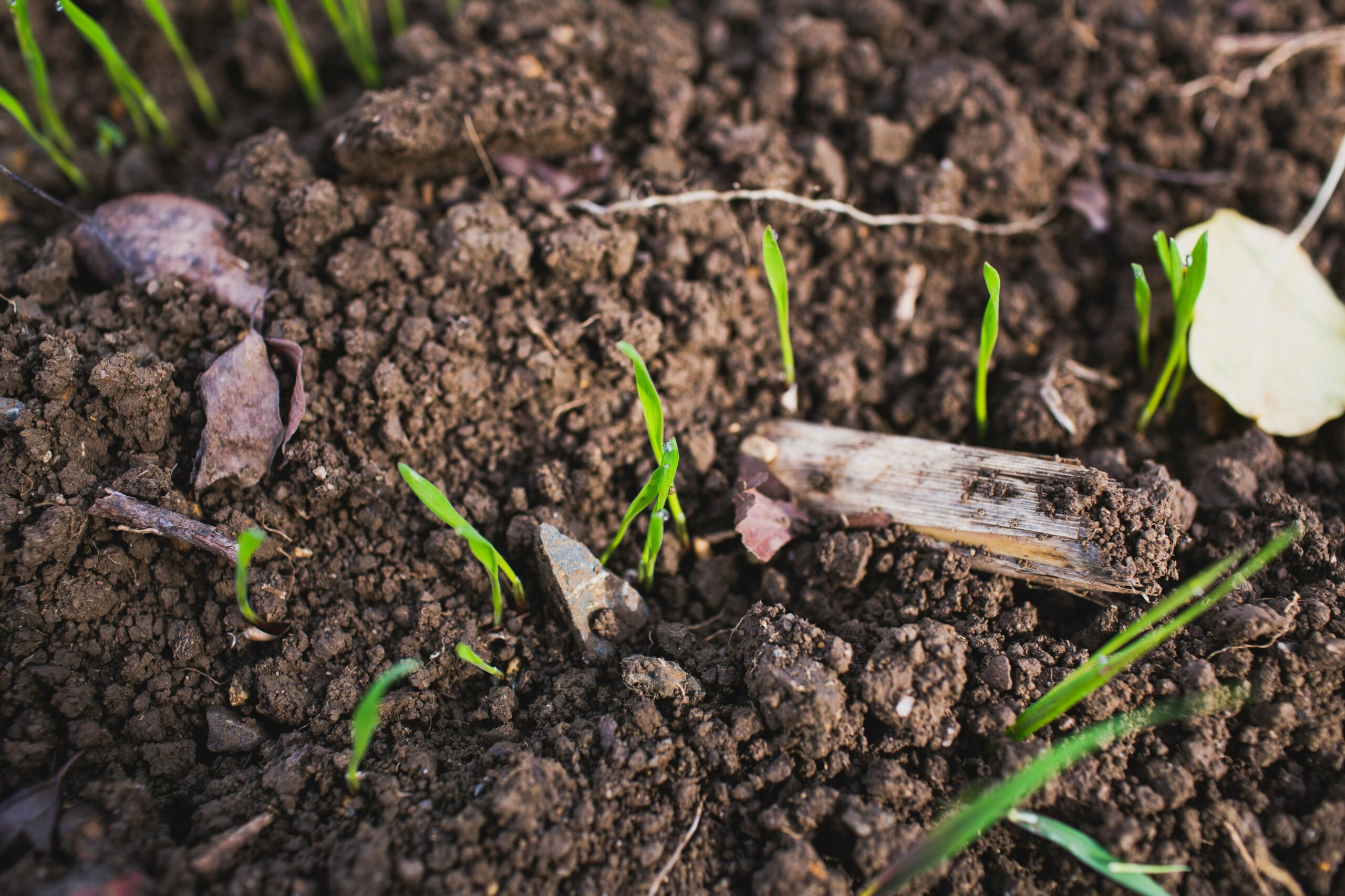
Soil health is the foundation of successful agriculture and long-term farm productivity. Healthy soil supports strong root development, efficient nutrient uptake, and improved water retention, all of which are essential for achieving stable and high crop yields. Over the years, excessive tillage, imbalanced fertilizer use, and poor crop management have degraded soil quality in many farming systems. Soil health management focuses on restoring and maintaining soil’s physical, chemical, and biological properties for sustainable agriculture.
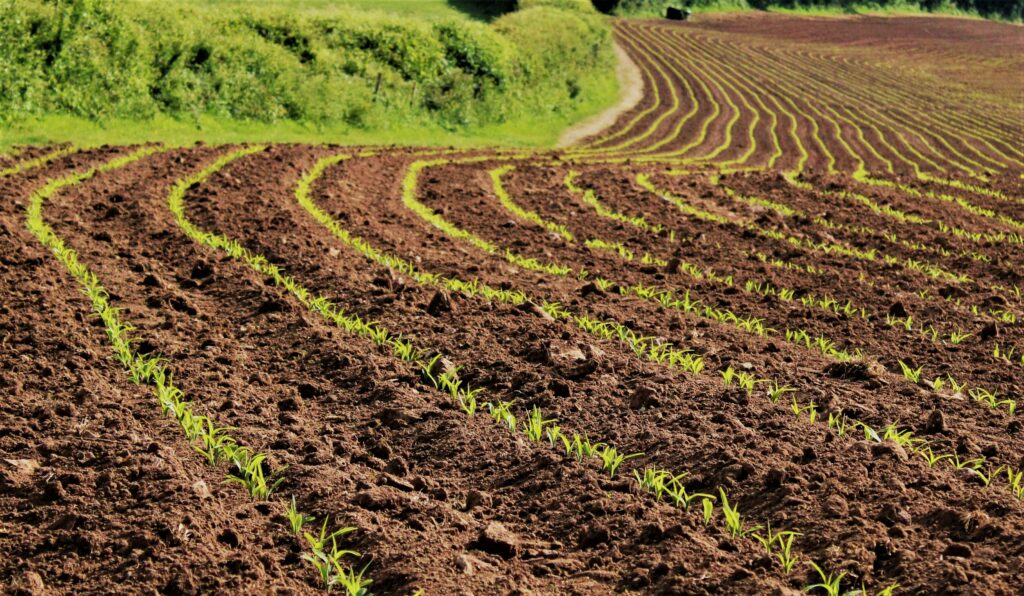
The physical structure of soil plays a critical role in crop growth. Well-structured soil allows proper air and water movement, enabling roots to grow freely. Compacted soil restricts root development and reduces water infiltration, leading to poor crop performance. Practices such as reduced tillage, controlled traffic farming, and organic matter addition help improve soil structure and prevent compaction.
Chemical balance in soil is equally important for healthy crops. Soil pH affects nutrient availability and microbial activity. Extremely acidic or alkaline soils limit nutrient uptake and reduce crop yields. Regular soil testing helps identify nutrient deficiencies and pH imbalance, allowing farmers to apply lime, gypsum, or fertilizers based on actual soil needs. Balanced nutrient management prevents toxicity and ensures optimal crop nutrition.
Biological activity is a key indicator of soil health. Soil is a living system containing billions of microorganisms, including bacteria, fungi, earthworms, and insects. These organisms decompose organic matter, release nutrients, and improve soil structure. Practices such as compost application, green manuring, crop rotation, and cover cropping increase microbial activity and enhance nutrient cycling.
Organic matter plays a central role in soil health management. It improves water-holding capacity, increases nutrient availability, and supports beneficial organisms. Adding crop residues, compost, farmyard manure, and plant-based mulches enriches soil organic carbon and improves resilience against drought and erosion. Soils rich in organic matter are more productive and stable under changing climate conditions.
Crop rotation and diversification contribute significantly to soil health. Growing different crops in sequence reduces pest and disease pressure and prevents nutrient depletion. Deep-rooted crops improve soil structure, while legumes enrich soil nitrogen naturally. Cover crops protect soil from erosion, suppress weeds, and add biomass during fallow periods.
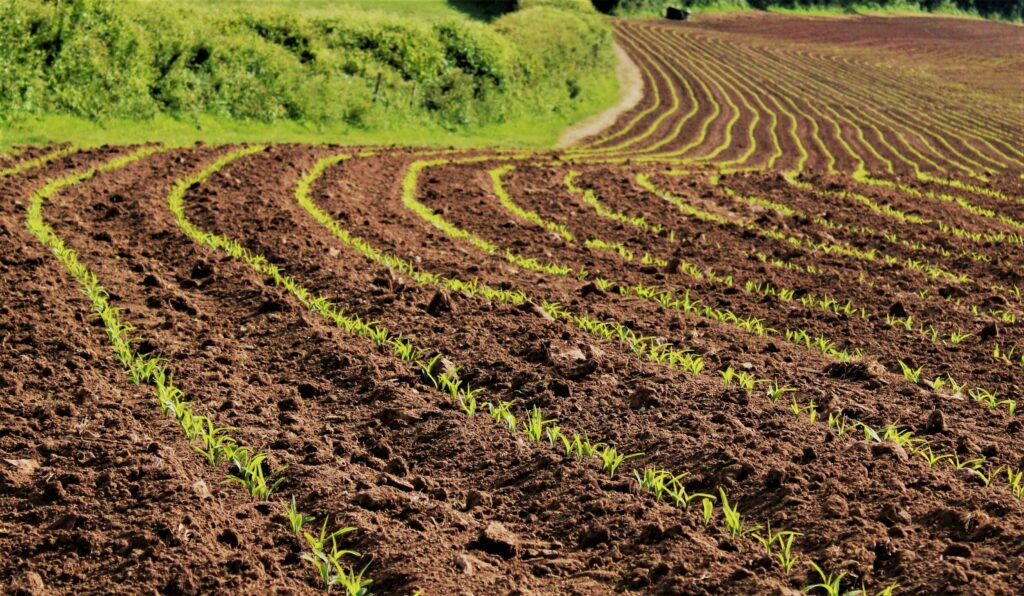
Soil conservation practices are essential for protecting soil health. Contour farming, mulching, terracing, and maintaining ground cover reduce soil erosion caused by wind and water. Conservation agriculture techniques minimize soil disturbance and help retain soil moisture and fertility.
In conclusion, soil health management is vital for sustainable agriculture and long-term productivity. By improving soil structure, maintaining nutrient balance, enhancing biological activity, and protecting soil from degradation, farmers can achieve higher yields while preserving their land for future generations. Healthy soil ensures resilient crops, efficient resource use, and a sustainable agricultural system.
Join our WhatsApp Channel for daily soil health tips, sustainable farming practices, and expert agriculture guidance: https://www.whatsapp.com/channel/0029VbBz1Ni5vKAHRbmLNy45