

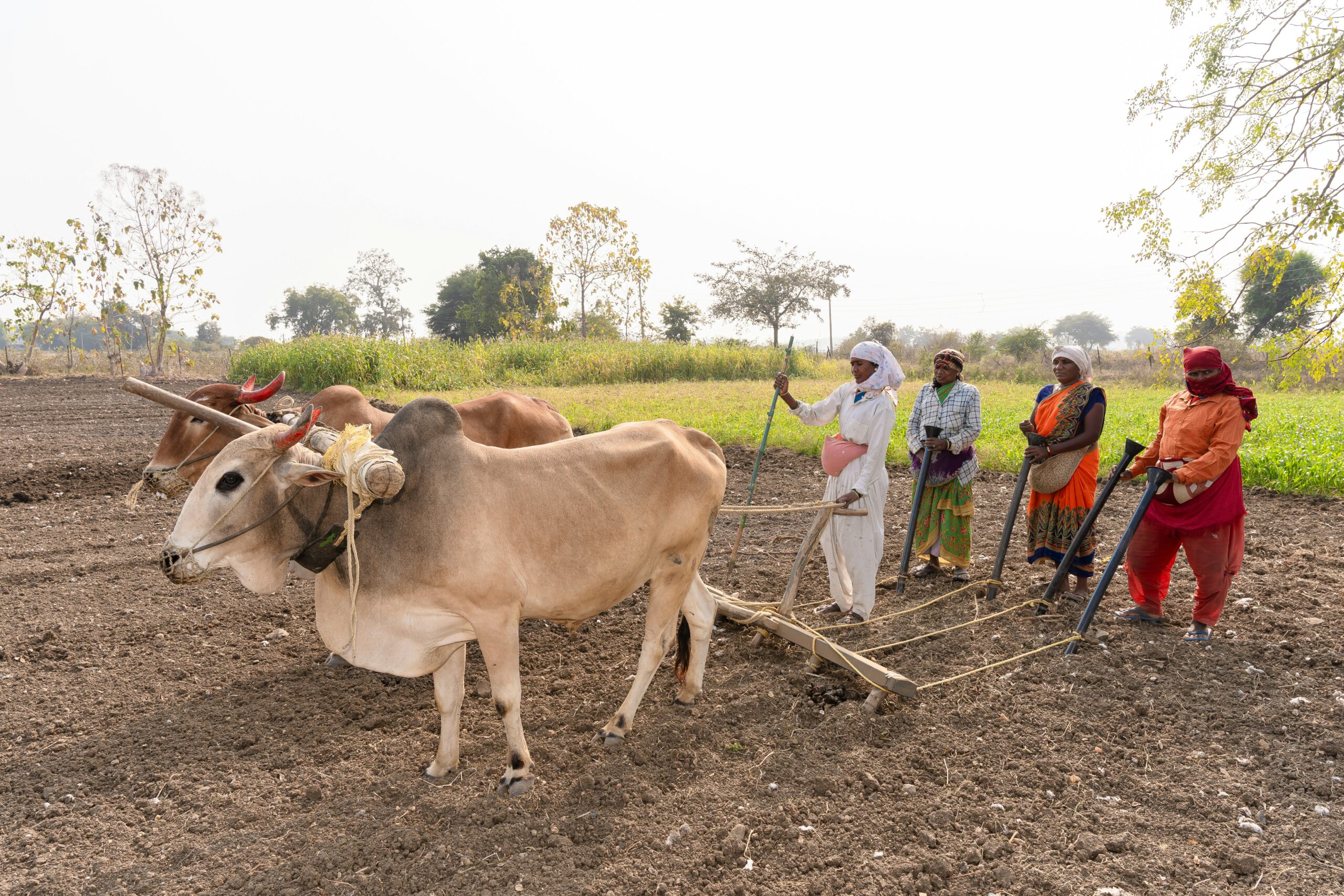
Value addition in agriculture refers to the process of transforming raw farm produce into products that have higher market value, longer shelf life, and better consumer appeal. Instead of selling crops only in raw form, farmers can increase their income by processing, packaging, grading, and branding agricultural products. In today’s competitive market, value addition has become a powerful tool for improving farm profitability and strengthening rural economies.
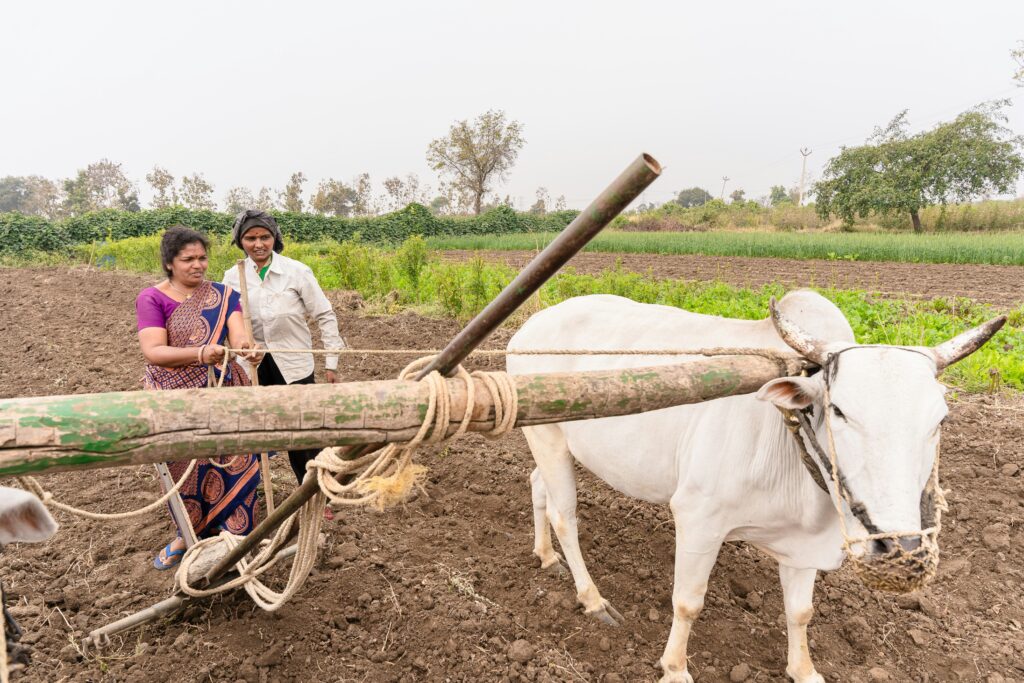
The need for value addition arises from price fluctuations and post-harvest losses faced by farmers. Raw agricultural produce often has a short shelf life and is sold at low prices, especially during peak harvest seasons. Processing helps reduce wastage and allows farmers to sell products when market conditions are more favorable. It also opens opportunities to access urban and export markets.
Value addition can take many forms depending on the crop. Cereals can be processed into flour, semolina, or ready-to-cook products. Fruits and vegetables can be converted into juices, jams, pickles, dried products, and frozen items. Oilseeds can be processed into edible oils, while milk can be transformed into yogurt, cheese, butter, and ghee. Even crop residues can be used for animal feed, compost, or bioenergy, adding further value.
Quality control is a critical component of successful value addition. Clean raw material, hygienic processing, and proper storage ensure product safety and consumer trust. Packaging plays an important role in preserving freshness and improving product appearance. Attractive, informative packaging with clear labeling increases market appeal and allows farmers to build their own brands.
Value addition also creates employment opportunities in rural areas. Small processing units require labor for sorting, processing, packaging, and marketing. This helps generate local jobs, reduces rural migration, and strengthens village-level economies. Farmer cooperatives and self-help groups can collectively invest in processing facilities, reducing individual financial risk.
Government support and training programs have made value addition more accessible to farmers. Subsidies, low-interest loans, skill development programs, and food processing infrastructure help farmers adopt value addition practices. Digital platforms and direct-to-consumer marketing channels further improve access to markets and price transparency.
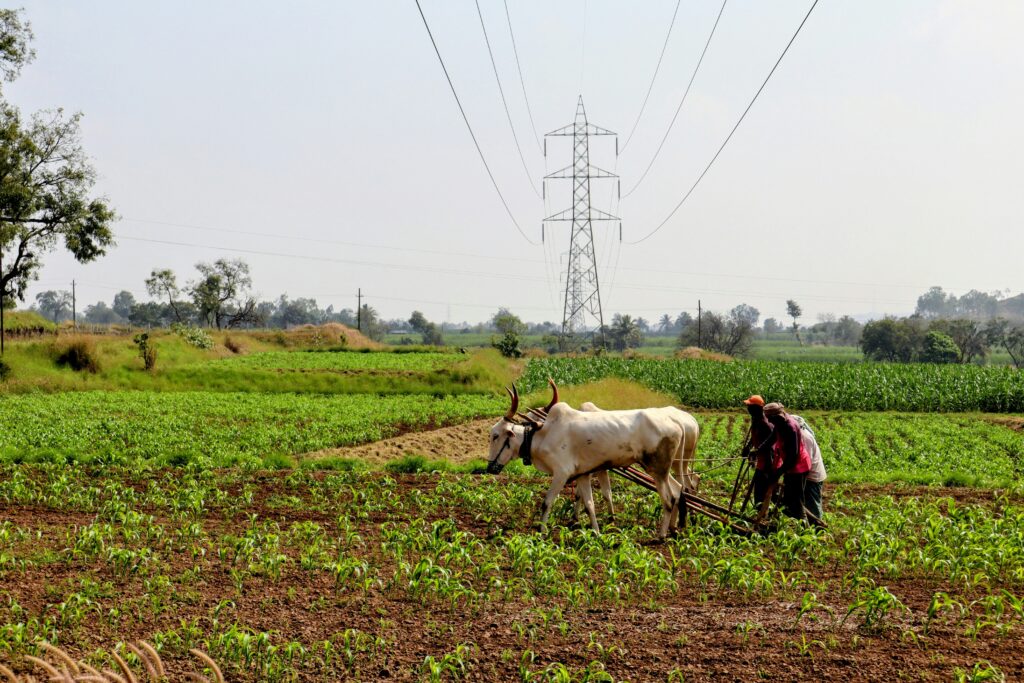
In conclusion, value addition in agriculture is a key strategy for increasing farmer income and promoting rural development. By moving beyond raw produce and embracing processing and branding, farmers can reduce losses, stabilize income, and build sustainable agribusinesses. Value-added agriculture not only benefits farmers but also strengthens the entire food supply chain.
Join our WhatsApp Channel for daily agribusiness ideas, value addition tips, and expert agriculture guidance: https://www.whatsapp.com/channel/0029VbBz1Ni5vKAHRbmLNy45