
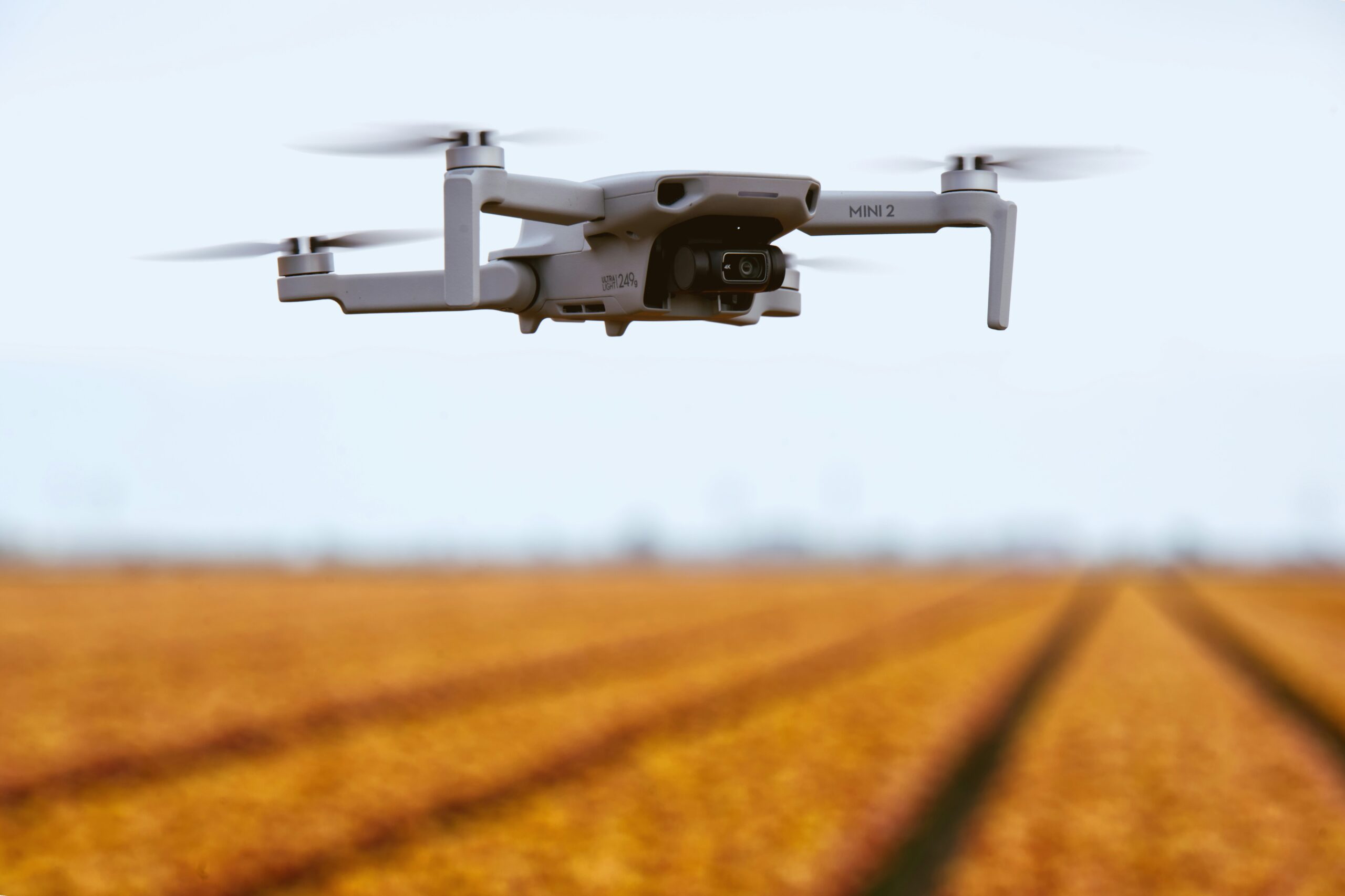
Digital agriculture is transforming the way farming is planned, managed, and executed. By integrating digital tools, data analytics, and smart technologies, farmers can make more informed decisions, improve efficiency, and increase productivity. As agriculture faces challenges such as climate change, labor shortages, and rising input costs, digital agriculture offers practical solutions for sustainable and profitable farming.
One of the core components of digital agriculture is data collection and analysis. Farmers use mobile applications, sensors, satellite imagery, and farm management software to gather data on soil moisture, nutrient levels, crop health, and weather conditions. This data provides real-time insights that help farmers respond quickly to changing field conditions. Accurate data reduces uncertainty and improves decision-making throughout the crop cycle.
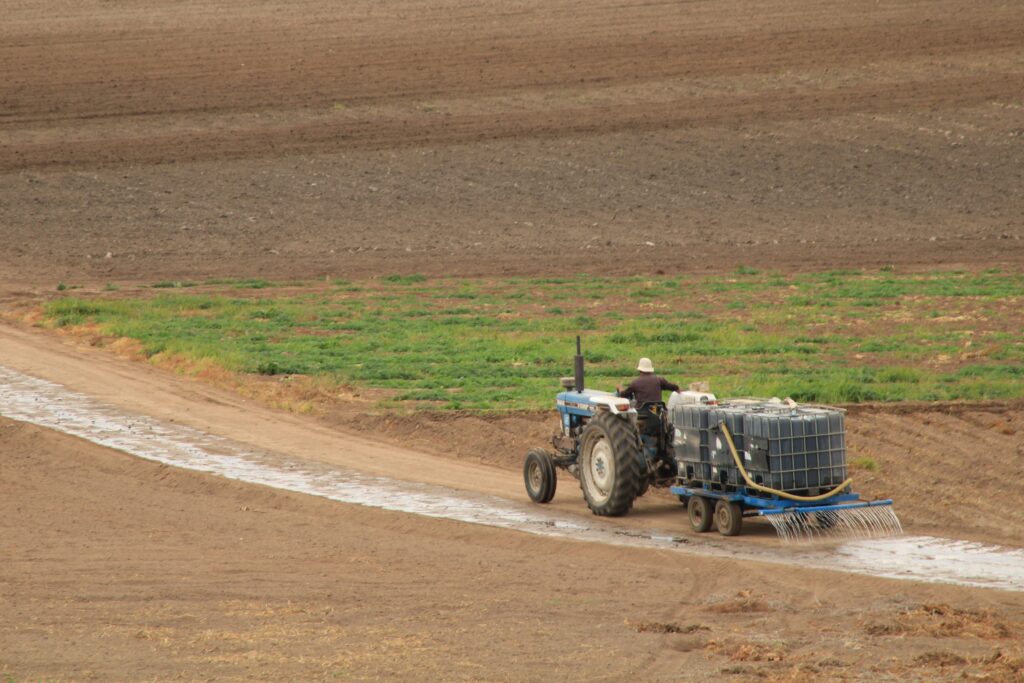
Digital tools play a major role in precision input management. Instead of applying water, fertilizers, and pesticides uniformly, farmers can adjust inputs based on actual crop needs. Automated irrigation systems linked with soil moisture sensors ensure optimal water use, preventing both water stress and wastage. Digital nutrient management tools help plan fertilizer schedules that improve uptake and reduce losses.
Technology also improves pest and disease management. Image-based diagnostics, satellite monitoring, and AI-powered tools detect early signs of stress, pest infestation, or disease outbreaks. Early detection allows timely action, reducing crop damage and minimizing chemical use. Digital advisory platforms provide location-specific recommendations, helping farmers choose the most effective control measures.
Farm operations and record-keeping have become more efficient through digital agriculture. Farm management systems help track input use, labor activities, costs, and yields. Accurate records support better planning, cost control, and compliance with certification standards such as organic or sustainable farming labels. Digital records also help farmers access credit, insurance, and government support programs more easily.
Market access is another major advantage of digital agriculture. Online marketplaces and mobile platforms connect farmers directly with buyers, reducing dependence on middlemen. Real-time market price information helps farmers decide when and where to sell their produce. Digital payment systems ensure faster and more transparent transactions.

Digital agriculture also supports climate-smart farming. Weather forecasting tools and early warning systems help farmers prepare for extreme weather events such as droughts, floods, and heat waves. Climate advisory services recommend suitable crops, planting dates, and management practices based on seasonal forecasts.
In conclusion, digital agriculture is reshaping modern farming by improving efficiency, productivity, and sustainability. By adopting digital tools and smart technologies, farmers can reduce risks, optimize resource use, and increase profitability. As technology becomes more accessible, digital agriculture will play a vital role in building resilient and future-ready agricultural systems.
Join our WhatsApp Channel for daily digital farming updates, smart agriculture tips, and expert guidance: https://www.whatsapp.com/channel/0029VbBz1Ni5vKAHRbmLNy45