

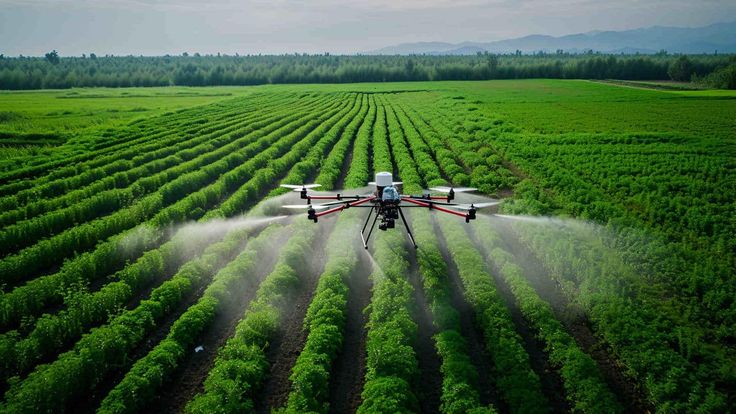
Weeds are one of the major challenges in agriculture, competing with crops for nutrients, water, sunlight, and space. If not managed properly, weeds can cause significant yield losses and increase production costs. Efficient weed management focuses on controlling weeds in a sustainable and economical way while protecting crop health and soil quality. Rather than relying on a single method, modern weed management integrates cultural, mechanical, biological, and chemical approaches.
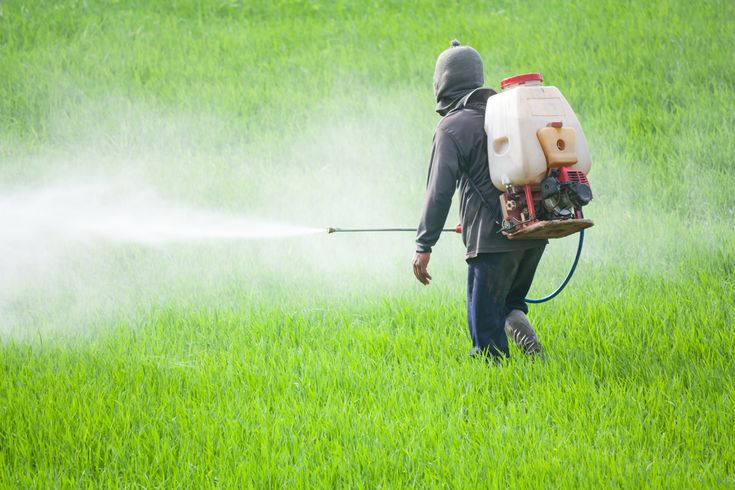
Preventive weed management is the first line of defense. Clean seed, well-prepared fields, and proper sanitation reduce the introduction and spread of weed seeds. Selecting competitive crop varieties and maintaining optimal plant population helps crops establish quickly and suppress weed growth. Timely planting ensures that crops gain an early advantage over emerging weeds.
Cultural practices play a key role in sustainable weed control. Crop rotation disrupts weed life cycles and prevents the dominance of specific weed species. Intercropping and cover crops reduce open spaces in the field, limiting weed establishment. Mulching with organic materials or crop residues blocks sunlight and suppresses weed germination while improving soil moisture retention.
Mechanical weed control methods are effective, especially during early crop stages. Hand weeding, hoeing, and mechanical cultivators remove weeds physically and reduce competition. These methods are widely used in organic and small-scale farming systems. Proper timing is essential, as early removal prevents weeds from setting seeds and spreading further.
Chemical weed control, when used responsibly, provides effective and timely weed management. Herbicides should be selected based on crop type, weed species, and growth stage. Applying herbicides at the recommended dose and correct timing ensures maximum effectiveness while minimizing crop injury and environmental impact. Rotating herbicides with different modes of action helps prevent herbicide resistance.
Biological weed management is an emerging approach that uses natural enemies such as insects, pathogens, or grazing animals to control specific weed species. While still limited in application, biological control supports long-term sustainability and reduces chemical dependence.
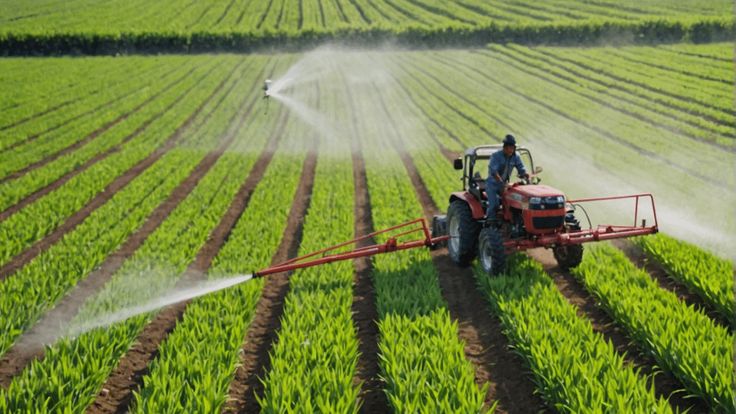
Integrated weed management combines all these strategies into a balanced system. By using multiple control methods, farmers reduce reliance on herbicides, lower production costs, and protect soil and water resources. Integrated approaches also improve crop resilience and long-term farm sustainability.
In conclusion, efficient weed management is essential for achieving high crop yields and sustainable farming. Through preventive measures, cultural practices, mechanical control, responsible chemical use, and integrated strategies, farmers can manage weeds effectively while protecting their land and crops.
Join our WhatsApp Channel for daily weed control tips, crop management updates, and expert agriculture guidance: https://www.whatsapp.com/channel/0029VbBz1Ni5vKAHRbmLNy45