

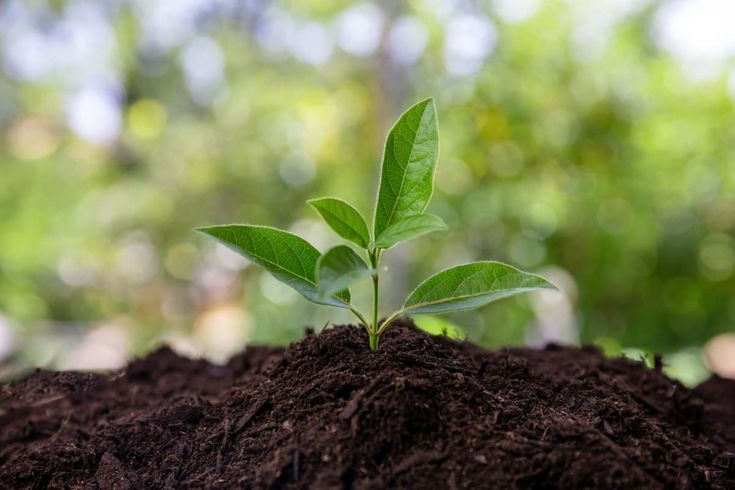
Crop rotation is one of the oldest and most effective farming practices, yet it remains highly relevant in modern agriculture. Sustainable crop rotation involves growing different crops in a planned sequence on the same field over time. This practice improves soil fertility, reduces pest and disease pressure, and enhances overall farm productivity. In contrast to continuous monocropping, crop rotation works with natural processes to maintain healthy and productive farmland.
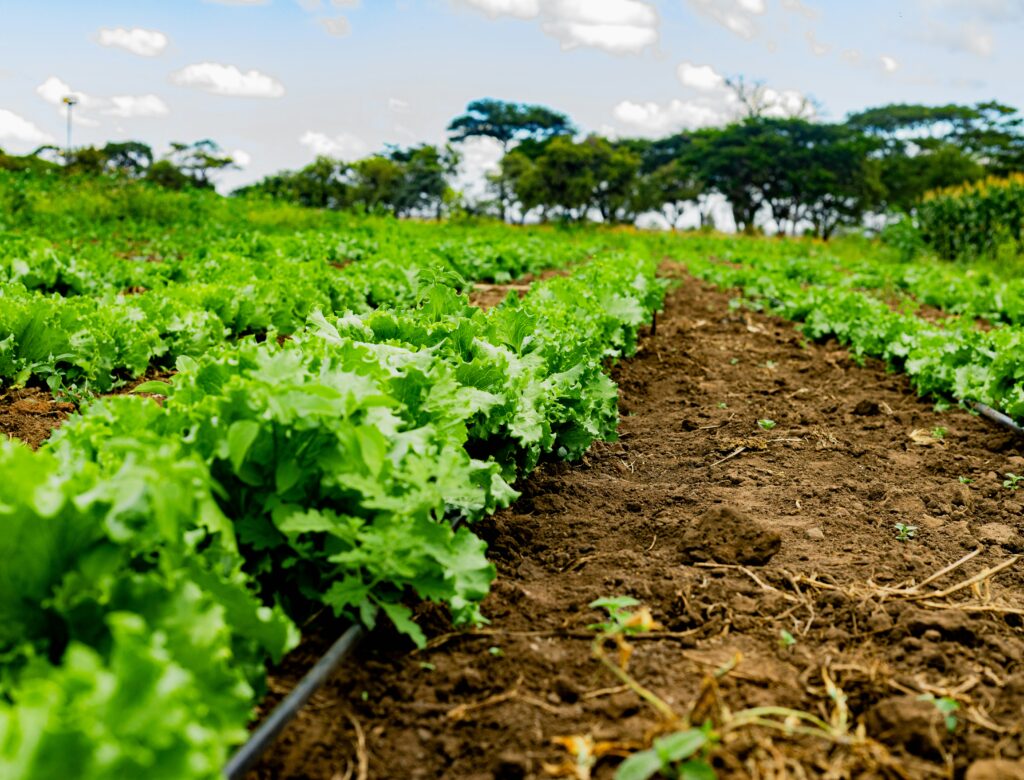
One of the main benefits of crop rotation is improved soil nutrient balance. Different crops have different nutrient requirements and rooting patterns. Deep-rooted crops bring nutrients from deeper soil layers to the surface, while shallow-rooted crops use nutrients from the topsoil. Including legumes such as beans, peas, or lentils in the rotation naturally adds nitrogen to the soil through biological fixation, reducing the need for synthetic nitrogen fertilizers.
Crop rotation plays a critical role in managing pests, diseases, and weeds. Many pests and pathogens are crop-specific and survive in the soil or crop residues. When the same crop is grown repeatedly, these pests build up over time. Rotating crops breaks their life cycles, reducing population levels naturally. Diverse rotations also suppress weeds by changing planting dates, crop canopy structure, and competition patterns.
Soil structure and health improve significantly under sustainable crop rotation systems. Different root systems create channels in the soil that improve aeration and water infiltration. Rotations that include cover crops protect the soil surface from erosion and add organic matter when incorporated or left as residue. Improved soil structure supports stronger root growth and better moisture retention.
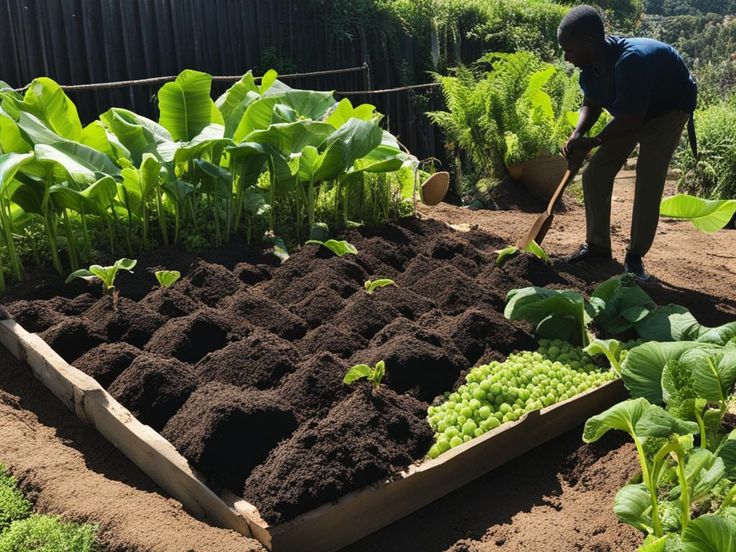
Crop rotation also enhances water-use efficiency. Crops with varying water needs spread water demand across the growing season, reducing stress on irrigation systems. Improved soil organic matter increases the soil’s ability to retain water, helping crops withstand dry periods. This is especially important in regions affected by irregular rainfall and water scarcity.
From an economic perspective, crop rotation reduces input costs and financial risk. Lower pest and disease pressure reduces the need for pesticides, while improved soil fertility lowers fertilizer requirements. Diversified cropping systems provide multiple income sources, protecting farmers from price fluctuations and crop failure.
In conclusion, sustainable crop rotation is a cornerstone of productive and resilient agriculture. By improving soil fertility, controlling pests naturally, enhancing water efficiency, and stabilizing farm income, crop rotation supports long-term sustainability. Farmers who adopt well-planned rotation systems build healthier soils, stronger crops, and more profitable farming operations.
Join our WhatsApp Channel for daily crop planning tips, sustainable farming practices, and expert agriculture guidance: https://www.whatsapp.com/channel/0029VbBz1Ni5vKAHRbmLNy45