

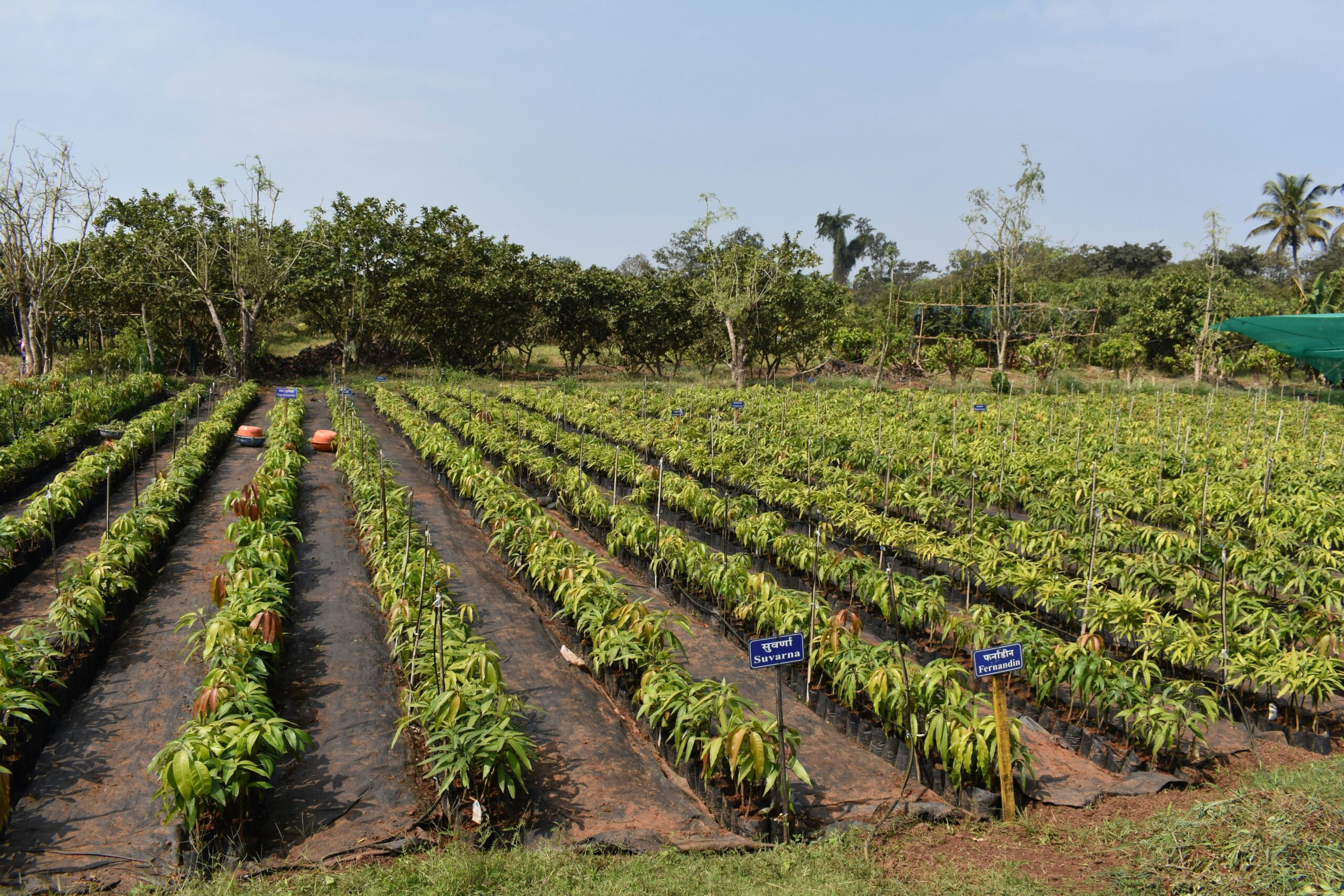
Agroforestry is a sustainable land-use system that integrates trees with crops and sometimes livestock on the same piece of land. This farming approach combines agricultural production with ecological conservation, offering farmers multiple income sources while improving soil health and environmental balance. As pressure on land and natural resources increases, agroforestry has become an effective solution for sustainable and resilient agriculture.
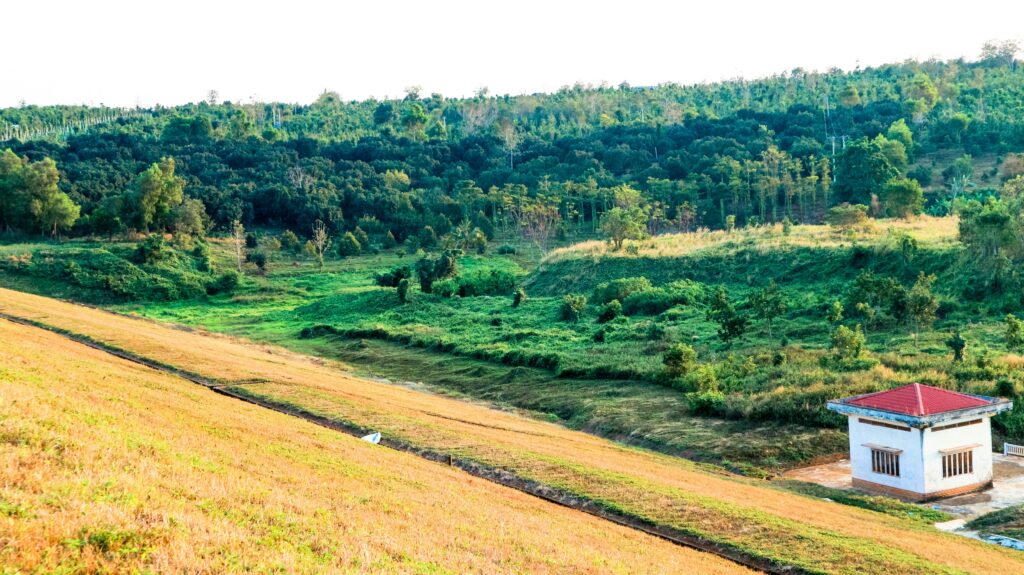
Trees play a vital role in improving soil fertility and structure. Their deep root systems bring nutrients from lower soil layers to the surface, while leaf litter adds organic matter and enhances microbial activity. This natural nutrient recycling improves soil health and reduces dependence on chemical fertilizers. Trees also help prevent soil erosion by stabilizing the soil and reducing the impact of heavy rainfall.
Agroforestry systems support climate resilience by protecting crops from extreme weather conditions. Trees act as windbreaks, reducing wind speed and protecting crops from damage. Shade provided by trees lowers soil temperature and reduces moisture loss, which is especially beneficial in dry and hot regions. These microclimatic benefits help crops perform better under changing climate conditions.
One of the major advantages of agroforestry is income diversification. Farmers can harvest fruits, timber, fuelwood, fodder, medicinal plants, and other tree products in addition to regular crops. This reduces financial risk and provides year-round income opportunities. Trees also increase land value and offer long-term economic security.
Agroforestry enhances biodiversity by creating habitats for birds, insects, and beneficial organisms. Increased biodiversity supports natural pest control and pollination, reducing the need for chemical inputs. Healthy ecosystems improve overall farm productivity and sustainability.
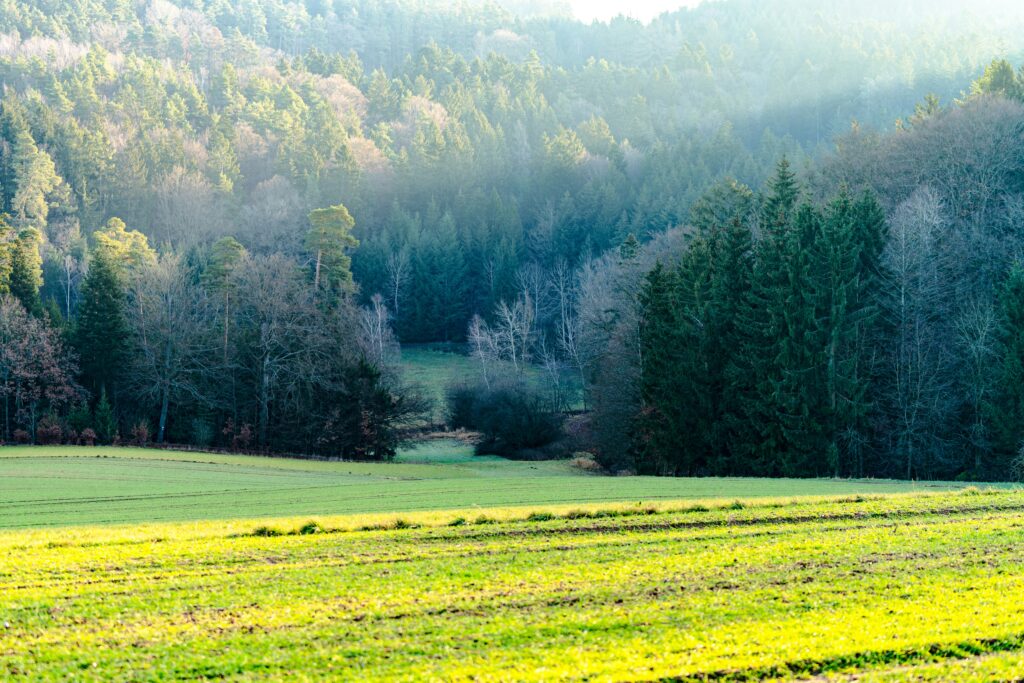
Proper planning and species selection are essential for successful agroforestry. Trees should be chosen based on local climate, soil conditions, and crop compatibility. Spacing and pruning must be managed carefully to minimize competition for light, water, and nutrients. With good management, trees and crops can complement each other effectively.
In conclusion, agroforestry systems offer a balanced approach to agricultural production and environmental conservation. By integrating trees into farming systems, farmers can improve soil health, enhance climate resilience, diversify income, and build sustainable land-use systems. Agroforestry is a long-term investment that benefits both current and future generations.
Join our WhatsApp Channel for daily agroforestry tips, sustainable farming ideas, and expert agriculture guidance: https://www.whatsapp.com/channel/0029VbBz1Ni5vKAHRbmLNy45