

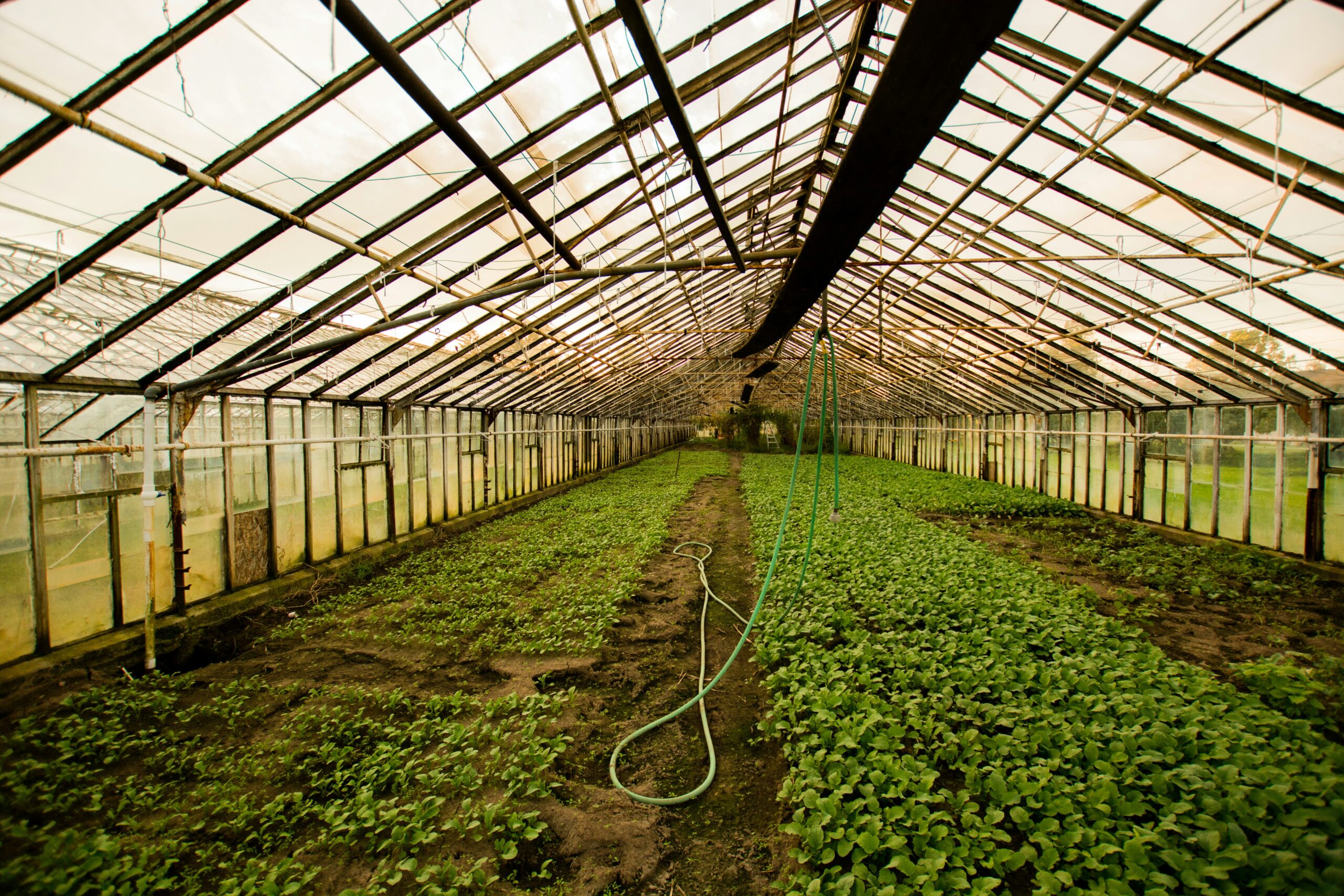
Horticulture plays a vital role in modern agriculture by providing fruits, vegetables, flowers, and plantation crops that contribute to nutrition, income generation, and employment. Sustainable horticulture focuses on producing high-quality crops while conserving natural resources and maintaining long-term productivity. With increasing demand for fresh and nutritious produce, adopting sustainable horticulture practices has become essential for profitable farming.
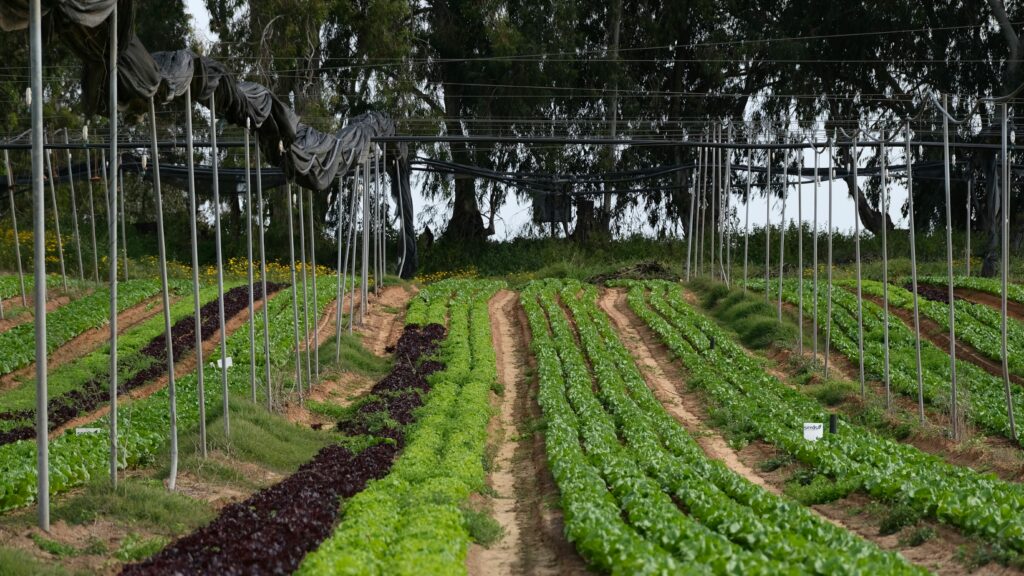
Crop selection and planning are the first steps toward successful horticulture. Choosing varieties suited to local climate, soil, and water conditions ensures better growth and yield. Improved and disease-resistant varieties reduce crop losses and input costs. Proper spacing and planting methods promote good air circulation and sunlight penetration, which are essential for healthy plant development.
Soil health management is a key factor in sustainable horticulture. Horticultural crops are highly responsive to soil fertility and structure. Adding organic matter through compost, vermicompost, and green manure improves nutrient availability and water-holding capacity. Mulching helps regulate soil temperature, suppress weeds, and reduce moisture loss, leading to healthier root systems.
Efficient water management is critical in horticultural production. Drip irrigation systems deliver water directly to the root zone, minimizing wastage and improving water-use efficiency. Scheduling irrigation based on crop growth stages and weather conditions prevents water stress and reduces disease incidence. Rainwater harvesting further supports sustainable water use.
Integrated nutrient management improves crop performance and fruit quality. Combining organic manures, biofertilizers, and chemical fertilizers ensures balanced nutrition throughout the crop cycle. Foliar nutrient application helps correct deficiencies quickly and improves yield and quality. Proper nutrient management also reduces environmental pollution and production costs.
Pest and disease management in horticulture requires a preventive and integrated approach. Healthy plants grown under balanced conditions are less vulnerable to pests. Monitoring, biological control agents, pheromone traps, and need-based pesticide application reduce crop damage while protecting beneficial organisms. Integrated pest management ensures safer produce and sustainable crop protection.
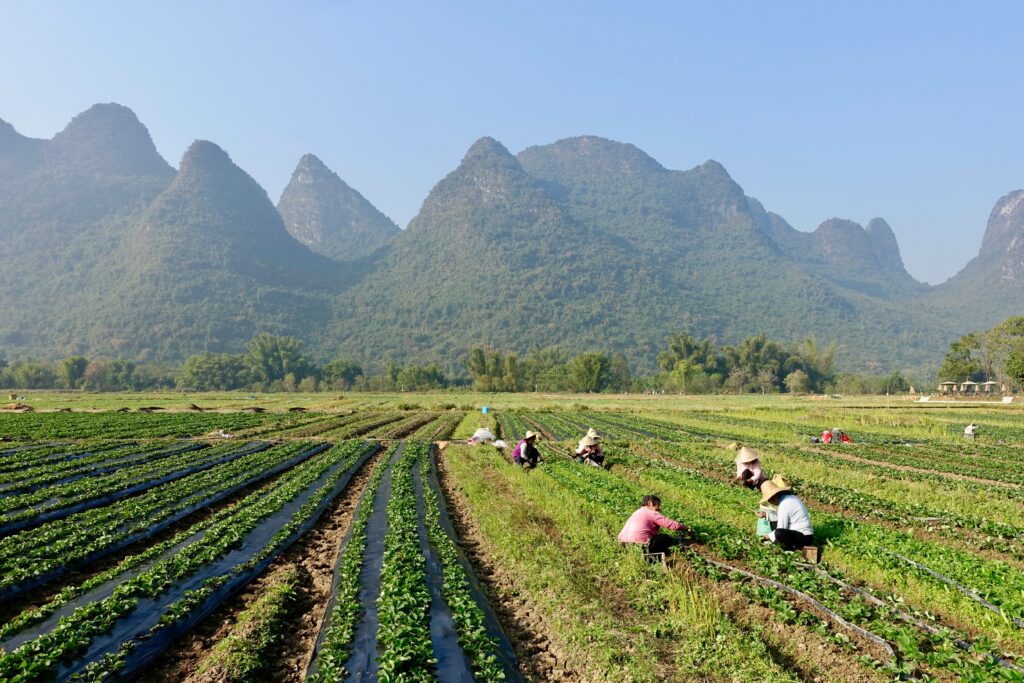
Post-harvest handling is especially important in horticulture due to the perishable nature of fruits and vegetables. Proper harvesting, grading, packaging, and storage help maintain quality and extend shelf life. Cold storage and value addition increase market opportunities and farmer income.
In conclusion, sustainable horticulture practices enhance crop quality, productivity, and profitability while protecting natural resources. By focusing on soil health, efficient water and nutrient management, integrated pest control, and post-harvest care, farmers can meet market demand and achieve long-term success in horticulture farming.
Join our WhatsApp Channel for daily horticulture tips, crop care updates, and expert agriculture guidance: https://www.whatsapp.com/channel/0029VbBz1Ni5vKAHRbmLNy45