


Aquaculture has emerged as one of the fastest-growing sectors in agriculture, providing a reliable source of protein and income for millions of farmers. Sustainable aquaculture focuses on increasing fish production while maintaining water quality, protecting the environment, and ensuring long-term profitability. With proper planning and management, fish farming can become a highly productive and resilient farming enterprise.
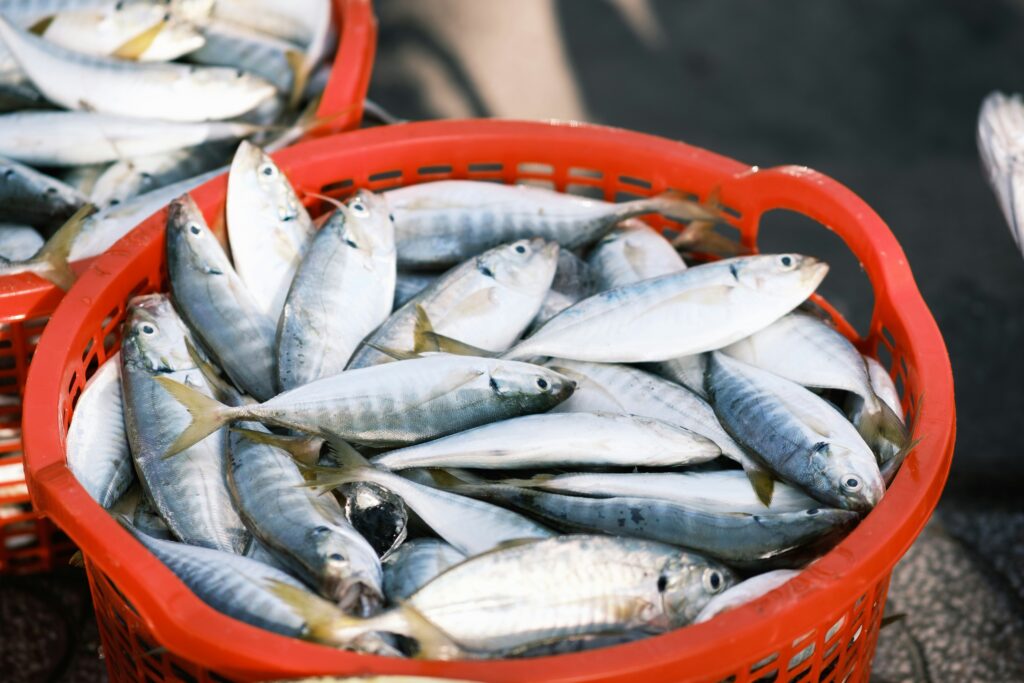
The success of aquaculture begins with proper site selection and pond preparation. Water quality, soil type, and access to clean water are critical factors. Ponds should be properly leveled, limed, and fertilized before stocking to create a healthy environment for fish growth. Maintaining optimal water depth and preventing water leakage helps stabilize temperature and water quality.
Species selection plays a key role in sustainable fish farming. Choosing fish species that are well-adapted to local climate and water conditions reduces mortality and improves growth rates. Polyculture systems, where compatible species are stocked together, improve resource utilization and overall productivity. Combining surface, column, and bottom-feeding fish allows efficient use of natural food available in the pond.
Feed management is one of the most important aspects of aquaculture. Balanced and nutritionally complete feed ensures rapid growth and better feed conversion efficiency. Overfeeding should be avoided, as it leads to water pollution and increased production costs. Feeding schedules should be adjusted based on fish size, water temperature, and natural food availability.
Water quality management is essential for fish health and survival. Parameters such as dissolved oxygen, pH, temperature, and ammonia levels must be monitored regularly. Proper aeration improves oxygen levels and prevents fish stress. Partial water exchange helps maintain water quality and reduces the buildup of harmful substances.
Disease prevention is a key component of sustainable aquaculture. Maintaining good water quality, proper stocking density, and hygienic conditions reduces disease outbreaks. Regular observation of fish behavior helps detect health problems early. Use of probiotics and biosecurity measures strengthens fish immunity and reduces reliance on antibiotics.
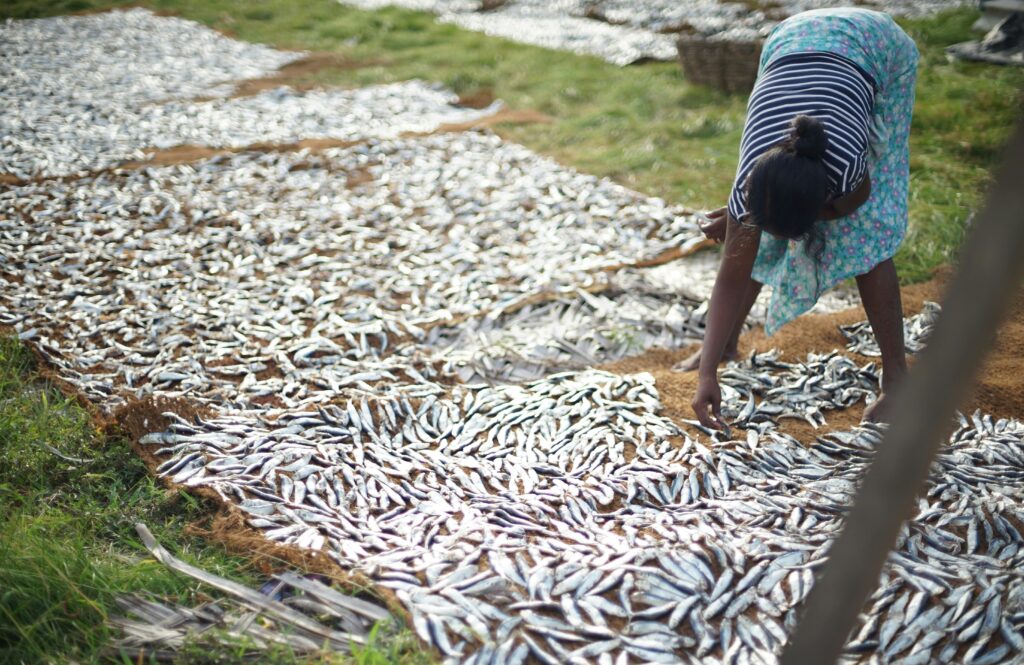
Aquaculture also offers opportunities for integration with other farming activities. Fish ponds can be combined with crop farming, livestock, or horticulture systems. Nutrient-rich pond water can be used for irrigation, while farm wastes can serve as feed inputs. Integrated farming systems improve overall farm efficiency and income.
In conclusion, sustainable aquaculture practices improve fish production, reduce environmental impact, and increase farmer income. By focusing on proper pond management, species selection, feed efficiency, water quality, and disease control, farmers can build profitable and environmentally responsible fish farming systems. Aquaculture holds great potential for food security and rural livelihoods.
Join our WhatsApp Channel for daily aquaculture tips, fish farming updates, and expert agriculture guidance: https://www.whatsapp.com/channel/0029VbBz1Ni5vKAHRbmLNy45