

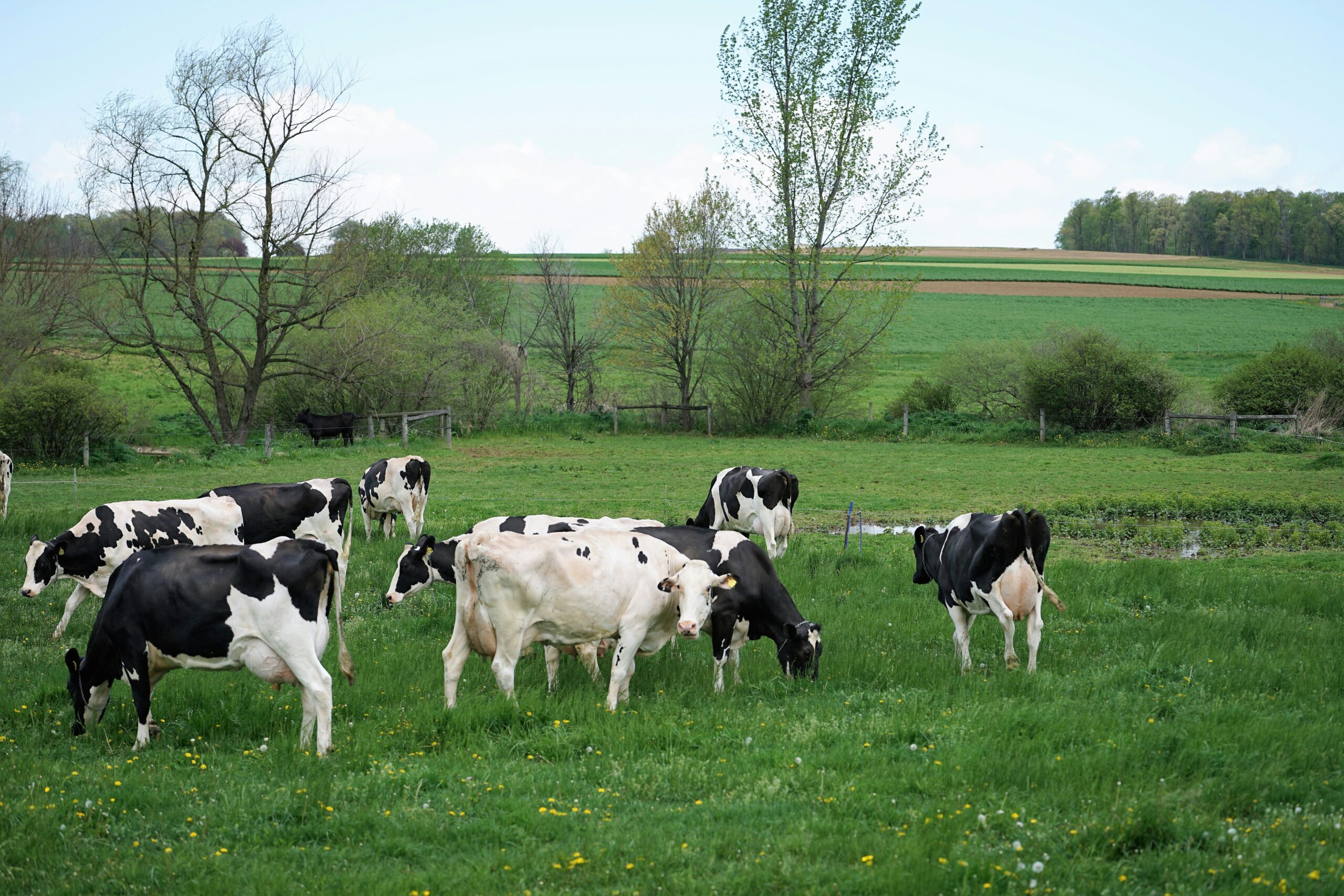
Dairy farming is a major source of income and nutrition for farming households around the world. Sustainable dairy farming focuses on increasing milk production while maintaining animal health, reducing costs, and protecting the environment. With rising feed prices, climate stress, and animal health challenges, adopting sustainable dairy practices has become essential for long-term success.
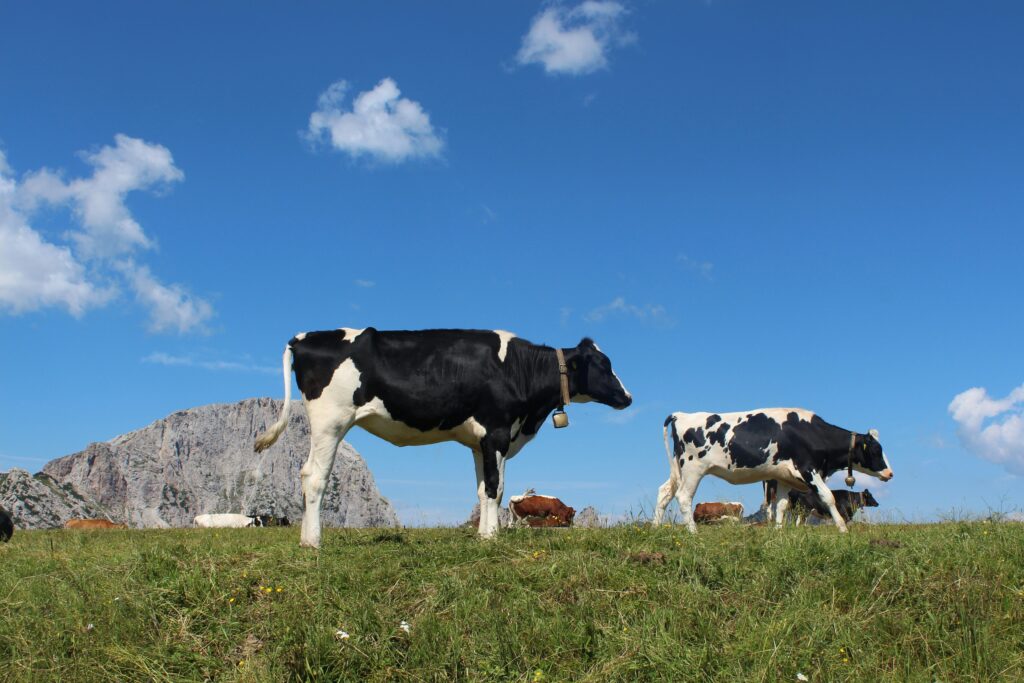
The foundation of profitable dairy farming is proper animal nutrition. Dairy animals require a balanced diet that includes green fodder, dry fodder, concentrates, minerals, and clean drinking water. Feeding based on the animal’s age, body weight, and milk production improves feed efficiency and milk yield. Using locally available fodder crops and agricultural by-products helps reduce feeding costs.
Fodder production and management are critical for sustainable dairy systems. Growing high-yielding fodder varieties and maintaining year-round fodder availability ensures consistent milk production. Silage and hay making allow farmers to preserve excess fodder for lean seasons. Integrating fodder crops into crop rotations improves soil fertility and supports efficient land use.
Animal health management directly affects productivity and profitability. Regular vaccination, deworming, and health check-ups prevent disease outbreaks and reduce treatment costs. Clean housing, proper ventilation, and comfortable resting areas minimize stress and improve animal welfare. Early detection of health problems ensures timely treatment and better recovery.
Breeding management plays a key role in improving dairy productivity. Selecting high-performing breeds adapted to local climate conditions enhances milk yield and disease resistance. Artificial insemination programs help improve genetic quality and reproductive efficiency. Proper heat detection and breeding timing increase conception rates and reduce calving intervals.
Efficient milking practices contribute to both milk quality and quantity. Hygienic milking methods reduce the risk of mastitis and ensure safe milk production. Proper cleaning of udders, milking equipment, and storage containers maintains milk quality and extends shelf life. Rapid cooling and clean storage preserve milk freshness and market value.
Waste management and environmental sustainability are important aspects of dairy farming. Manure and urine can be recycled as organic fertilizer or used in biogas systems to produce renewable energy. Efficient waste management reduces pollution, improves soil health, and provides additional income or energy for farm operations.
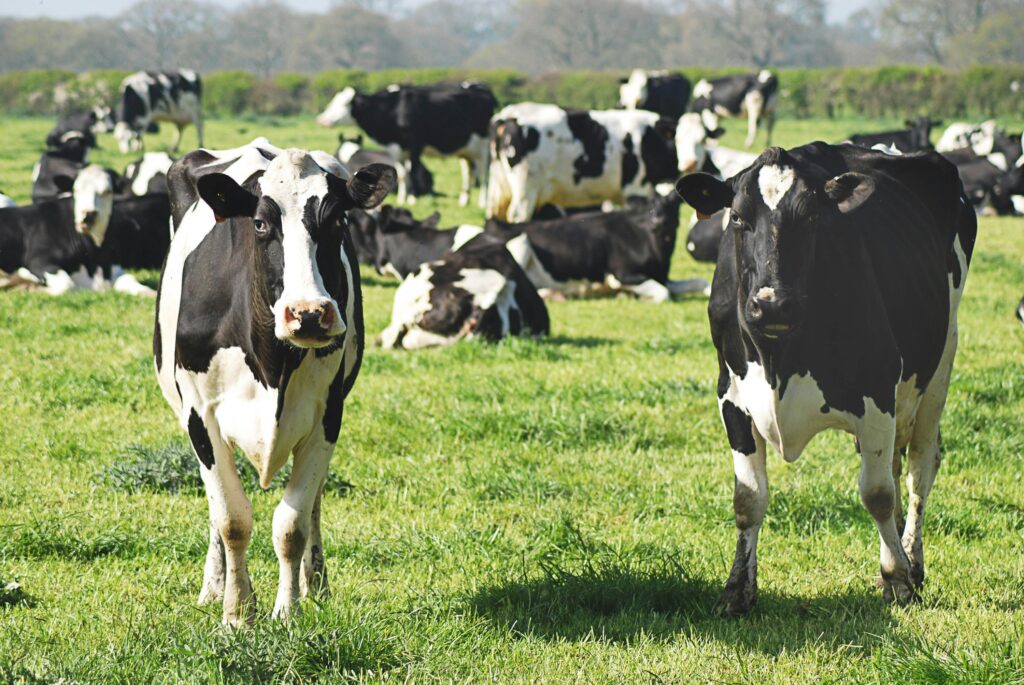
In conclusion, sustainable dairy farming improves milk production, reduces costs, and ensures long-term profitability. By focusing on balanced nutrition, fodder management, animal health, breeding efficiency, hygienic milking, and waste utilization, farmers can build resilient dairy enterprises. Sustainable dairy systems benefit farmers, consumers, and the environment alike.
Join our WhatsApp Channel for daily dairy farming tips, animal health updates, and expert agriculture guidance: https://www.whatsapp.com/channel/0029VbBz1Ni5vKAHRbmLNy45