

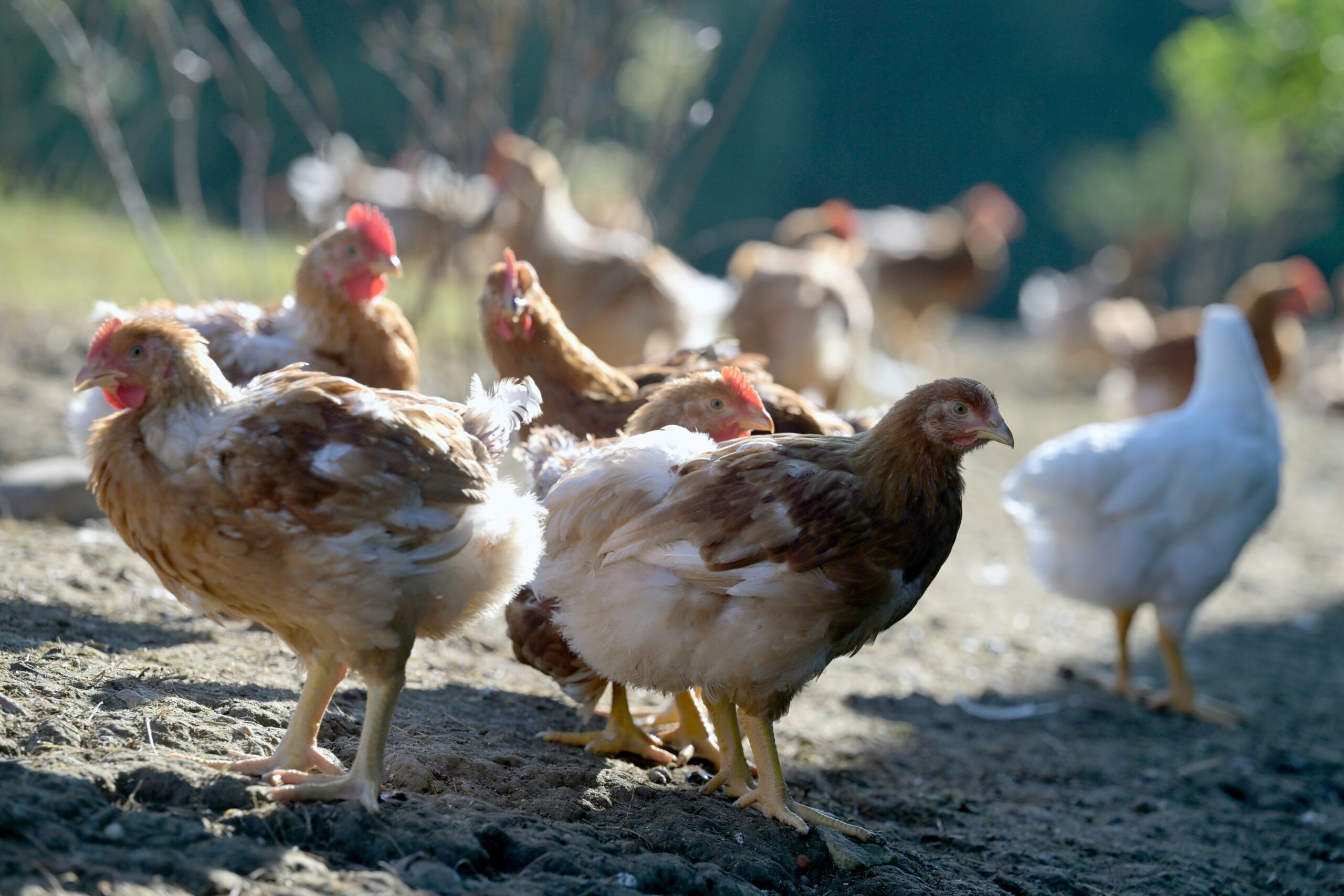
Poultry farming is one of the fastest-growing sectors in agriculture, offering quick returns, regular income, and high nutritional value through eggs and meat. Sustainable poultry farming focuses on improving productivity while maintaining bird health, minimizing costs, and reducing environmental impact. With proper management, poultry farming can become a reliable and profitable enterprise for both small and large-scale farmers.
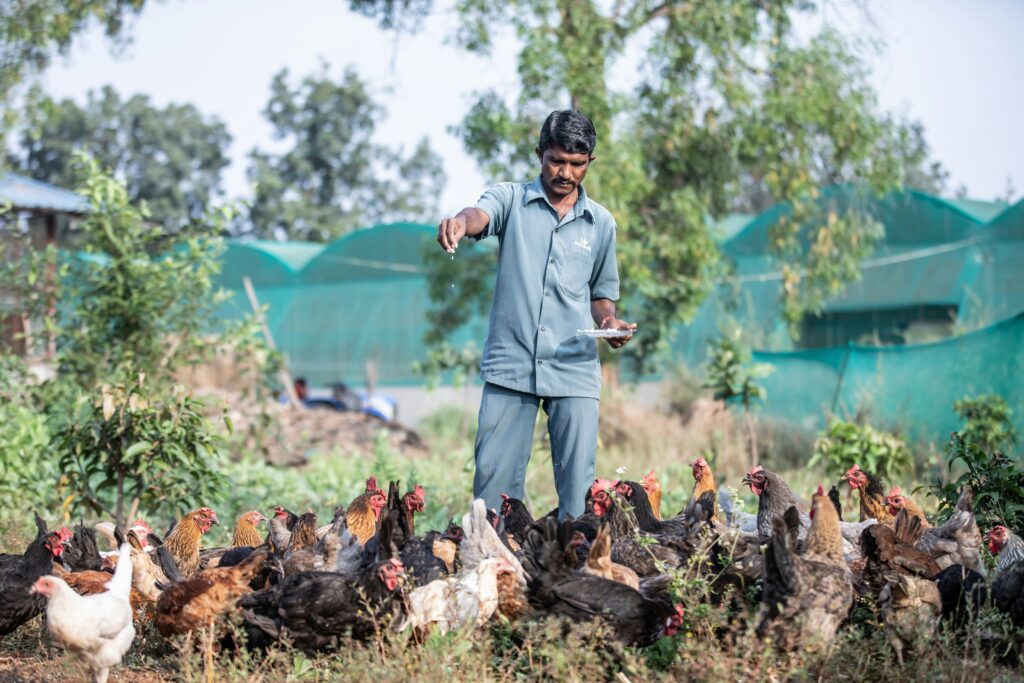
Housing and environment management are the foundation of successful poultry farming. Birds require clean, dry, and well-ventilated housing to grow efficiently. Proper temperature control, especially during the early brooding stage, ensures healthy chick development and reduces mortality. Adequate space and good airflow help prevent stress, disease spread, and poor growth performance.
Nutrition plays a critical role in poultry productivity. Balanced feed containing energy, protein, vitamins, and minerals supports rapid growth, high egg production, and strong immunity. Feed formulation should match the bird’s age and production stage. Using quality feed ingredients and maintaining consistent feeding schedules improves feed conversion efficiency and reduces wastage.
Water management is equally important in poultry farming. Clean and fresh drinking water must be available at all times, as water intake directly affects feed consumption and production performance. Proper sanitation of water lines and drinkers prevents the spread of diseases and improves bird health.
Health and biosecurity measures are essential for sustainable poultry systems. Regular vaccination programs protect birds from common diseases. Maintaining strict hygiene, controlling visitor access, and isolating sick birds reduce the risk of disease outbreaks. Early detection of health issues allows timely treatment and minimizes losses.
Waste management and environmental care support sustainability in poultry farming. Poultry litter can be composted and used as organic fertilizer for crops, improving soil fertility and reducing waste disposal problems. Proper litter management reduces ammonia levels in poultry houses and improves bird comfort and health.
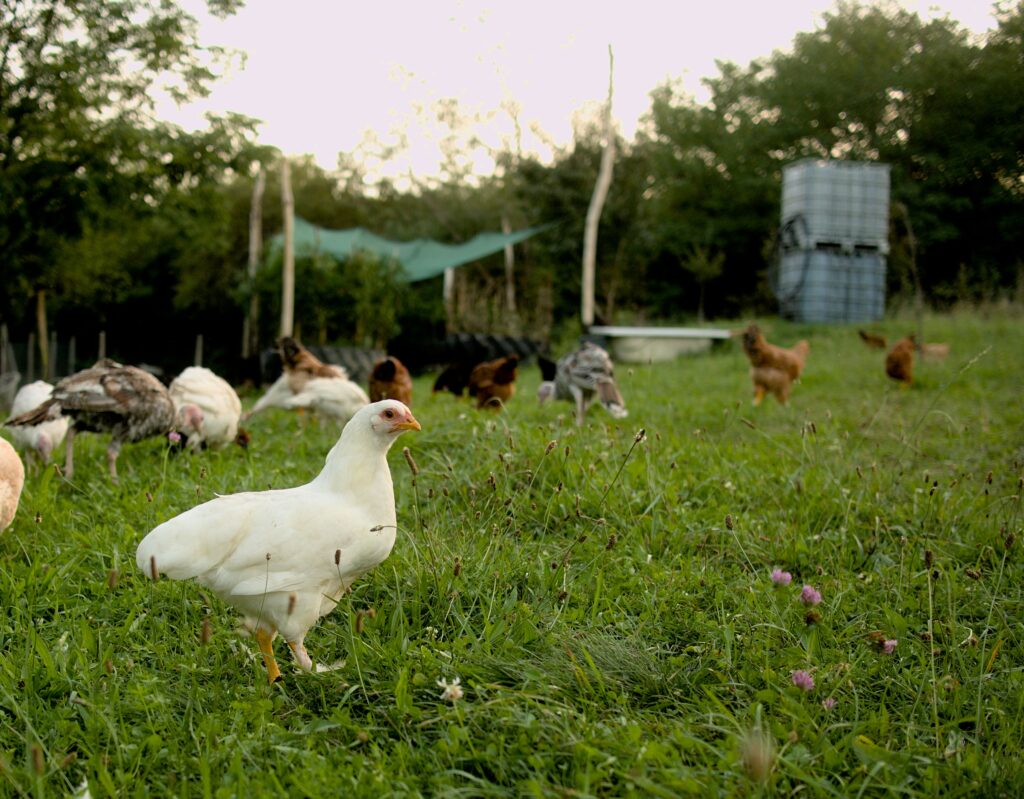
Market planning and value addition enhance poultry farm profitability. Proper grading, packaging, and storage of eggs maintain quality and improve market price. Processing poultry meat and developing direct marketing channels increase profit margins and reduce dependence on middlemen.
In conclusion, sustainable poultry farming combines good housing, balanced nutrition, effective health management, and responsible waste handling to achieve high productivity and income. By adopting best management practices, farmers can build resilient poultry enterprises that provide stable returns and support long-term agricultural sustainability.
Join our WhatsApp Channel for daily poultry farming tips, bird health updates, and expert agriculture guidance: https://www.whatsapp.com/channel/0029VbBz1Ni5vKAHRbmLNy45