

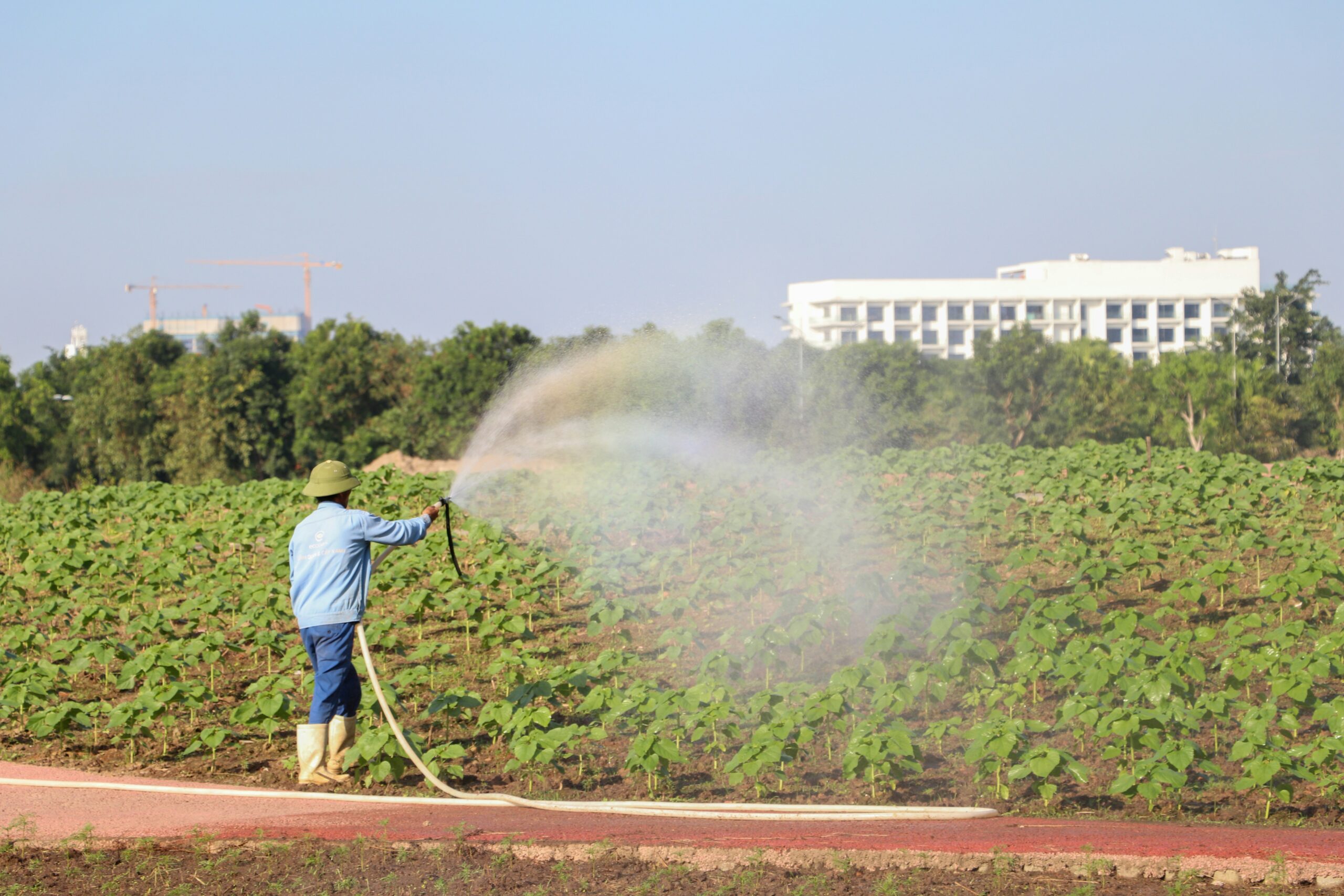
Water is one of the most valuable inputs in agriculture, and its efficient use is essential for sustainable crop production. Many farmers face yield losses and rising costs due to over-irrigation or poor timing of water application. Sustainable irrigation scheduling focuses on applying the right amount of water at the right time according to crop needs, soil conditions, and weather patterns. This approach improves water-use efficiency, crop health, and long-term farm productivity.
Understanding crop water requirements is the first step in effective irrigation scheduling. Different crops and growth stages have different water needs. For example, germination, flowering, and fruit development are critical stages where water stress can significantly reduce yield. Applying water based on crop demand rather than a fixed schedule helps avoid stress and ensures optimal growth.
Soil type plays a major role in irrigation planning. Sandy soils drain water quickly and require more frequent but smaller irrigations, while clay soils retain moisture longer and need less frequent watering. Knowing soil water-holding capacity helps farmers decide irrigation frequency and depth. Regular monitoring of soil moisture through simple field methods or sensors improves irrigation accuracy.
Weather conditions strongly influence irrigation needs. High temperatures, strong winds, and low humidity increase water loss through evaporation and transpiration. Rainfall reduces irrigation demand. Using local weather forecasts and evapotranspiration data allows farmers to adjust irrigation schedules and avoid unnecessary watering.
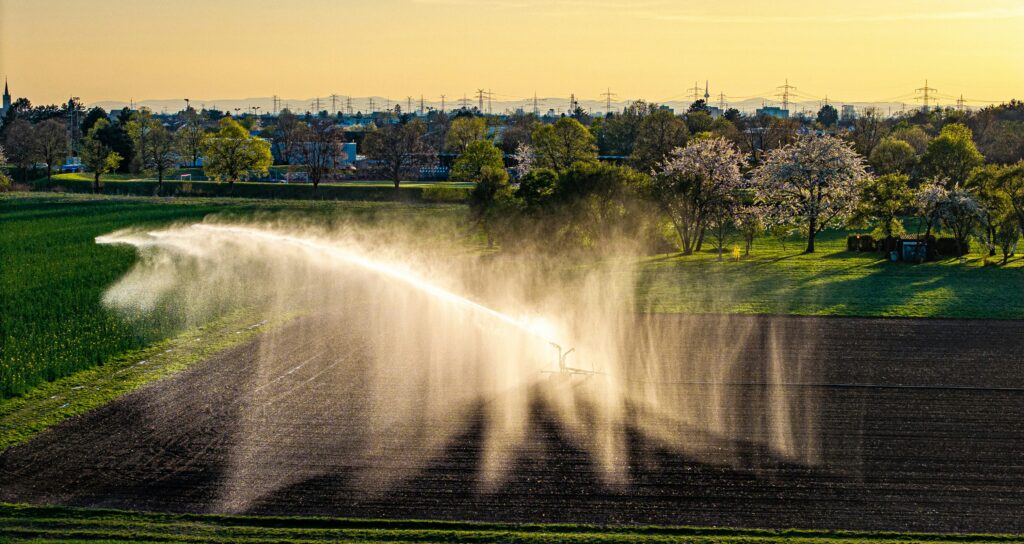
Efficient irrigation methods support sustainable scheduling. Drip irrigation delivers water directly to the root zone, reducing evaporation and runoff. Sprinkler systems provide uniform distribution when managed properly. Combining these systems with proper scheduling maximizes water savings and improves crop performance.
Irrigation timing also affects crop health. Early morning or late evening irrigation reduces evaporation losses and allows better water absorption. Avoiding waterlogging prevents root diseases and nutrient leaching. Proper drainage is essential to maintain healthy root systems.
Technology is increasingly supporting sustainable irrigation scheduling. Soil moisture sensors, automated controllers, and mobile advisory services provide real-time information on water needs. These tools help farmers make precise decisions and reduce labor and energy costs.

In conclusion, sustainable irrigation scheduling is essential for efficient water use and higher crop productivity. By understanding crop needs, soil characteristics, weather patterns, and using efficient irrigation systems, farmers can conserve water while achieving stable and high yields. Proper irrigation scheduling supports both farm profitability and long-term water resource sustainability.
Join our WhatsApp Channel for daily irrigation tips, water management guidance, and expert agriculture advice: https://whatsapp.com/channel/0029VbBz1Ni5vKAHRbmLNy45