

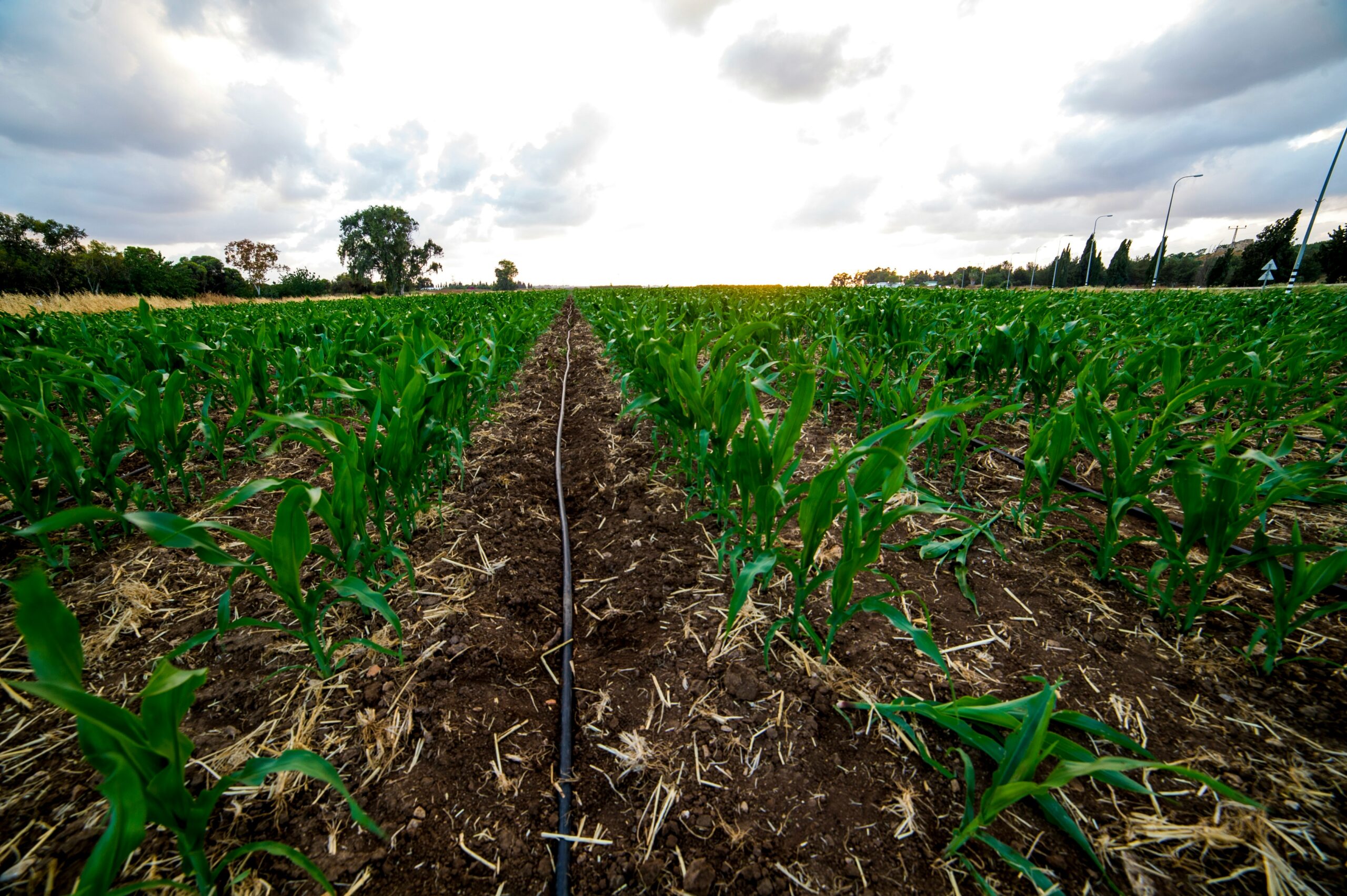
Crop rotation is one of the oldest and most effective practices in agriculture. It involves growing different crops in a planned sequence on the same field over time. Sustainable crop rotation systems help maintain soil fertility, reduce pest and disease pressure, and improve overall farm productivity. In modern agriculture, crop rotation remains a powerful tool for achieving stable yields and long-term sustainability.

One of the main benefits of crop rotation is improved soil health. Different crops have different root structures and nutrient requirements. Deep-rooted crops bring nutrients from deeper soil layers, while shallow-rooted crops use surface nutrients. Leguminous crops fix atmospheric nitrogen and enrich the soil naturally. This balanced nutrient use prevents soil exhaustion and improves soil structure.
Crop rotation plays a significant role in pest and disease management. Many pests and pathogens are crop-specific and survive in the soil or crop residues. Rotating crops breaks their life cycles, reducing their population without heavy reliance on chemical pesticides. This leads to healthier crops and lower production costs.
Weed control is another advantage of crop rotation. Different crops have different planting times, growth habits, and canopy structures. Changing crops disrupts weed growth patterns and reduces the dominance of specific weed species. This makes weed management more effective and reduces herbicide dependence.
Crop rotation also improves nutrient-use efficiency. Crops with high nutrient demand can follow crops that leave residual nutrients in the soil. For example, cereals grown after legumes benefit from leftover nitrogen. This natural nutrient cycling reduces fertilizer requirements and improves profitability.
Water management benefits from crop rotation as well. Different crops use water at different depths and times of the year. Rotations that include cover crops improve soil organic matter and water-holding capacity. Improved soil structure allows better infiltration and reduces runoff and erosion.
Designing a successful crop rotation requires understanding local climate, soil conditions, and market demand. Farmers should select crops that complement each other in nutrient use and growth patterns. Including cash crops, legumes, and cover crops creates a balanced and flexible rotation system.
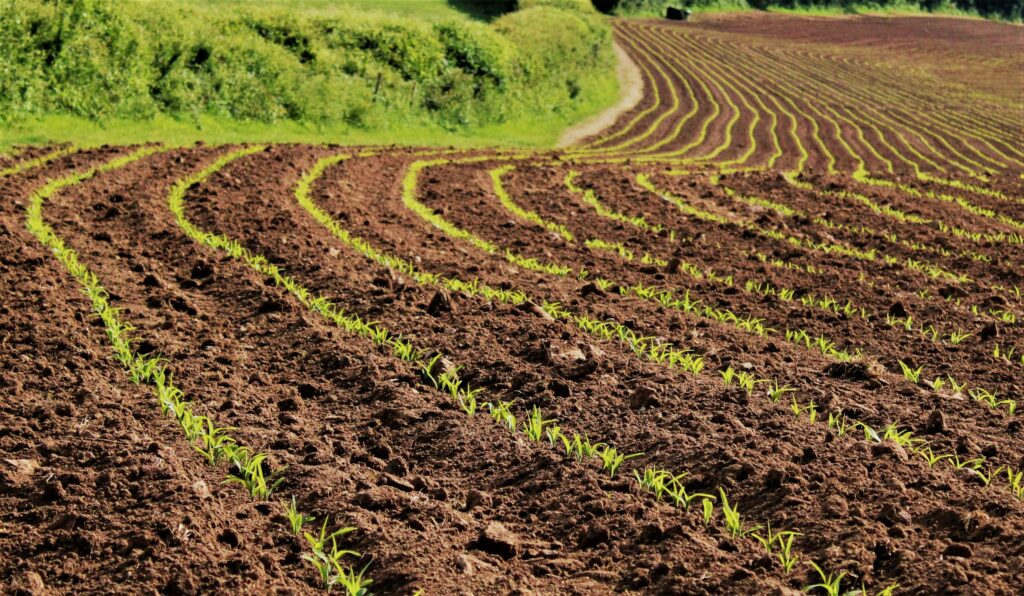
In conclusion, sustainable crop rotation systems support healthy soils, reduce pest and weed problems, and provide stable yields over time. By diversifying crops and planning rotations carefully, farmers can build resilient farming systems that are productive, cost-effective, and environmentally sound.
Join our WhatsApp Channel for daily crop rotation tips, soil health guidance, and expert agriculture advice: https://www.whatsapp.com/channel/0029VbBz1Ni5vKAHRbmLNy45