


Soil fertility is the foundation of successful agriculture. Healthy and fertile soil provides essential nutrients, supports root growth, and helps crops withstand stress from pests, diseases, and climate variations. Sustainable soil fertility management focuses on maintaining and improving soil health over time rather than relying only on chemical inputs. This approach ensures stable yields, reduces production costs, and protects natural resources.

Understanding soil nutrient status is the first step in effective fertility management. Soil testing helps identify nutrient deficiencies, imbalances, and soil pH issues. Based on test results, farmers can apply the right type and amount of fertilizers, avoiding overuse and nutrient losses. Balanced nutrition improves crop growth and prevents long-term soil degradation.
Organic matter plays a key role in soil fertility. Adding farmyard manure, compost, vermicompost, and green manure increases soil organic carbon. Organic matter improves soil structure, water-holding capacity, and microbial activity. Healthy soil microbes convert nutrients into plant-available forms and improve overall soil resilience.
Integrated nutrient management combines organic inputs, biofertilizers, and chemical fertilizers for sustainable results. Biofertilizers such as nitrogen-fixing bacteria and phosphate-solubilizing microorganisms enhance nutrient availability and reduce fertilizer requirements. This integrated approach maintains soil productivity while lowering input costs and environmental impact.
Crop rotation is an effective practice for improving soil fertility. Rotating cereals with legumes replenishes soil nitrogen and breaks pest and disease cycles. Diverse cropping systems improve nutrient balance and soil structure. Cover crops protect soil from erosion, suppress weeds, and add organic matter when incorporated into the soil.
Proper fertilizer application methods increase nutrient-use efficiency. Applying fertilizers at the right time, depth, and placement reduces losses through leaching and volatilization. Split application of nitrogen ensures nutrients are available when crops need them most. Precision farming techniques further improve fertilizer efficiency.
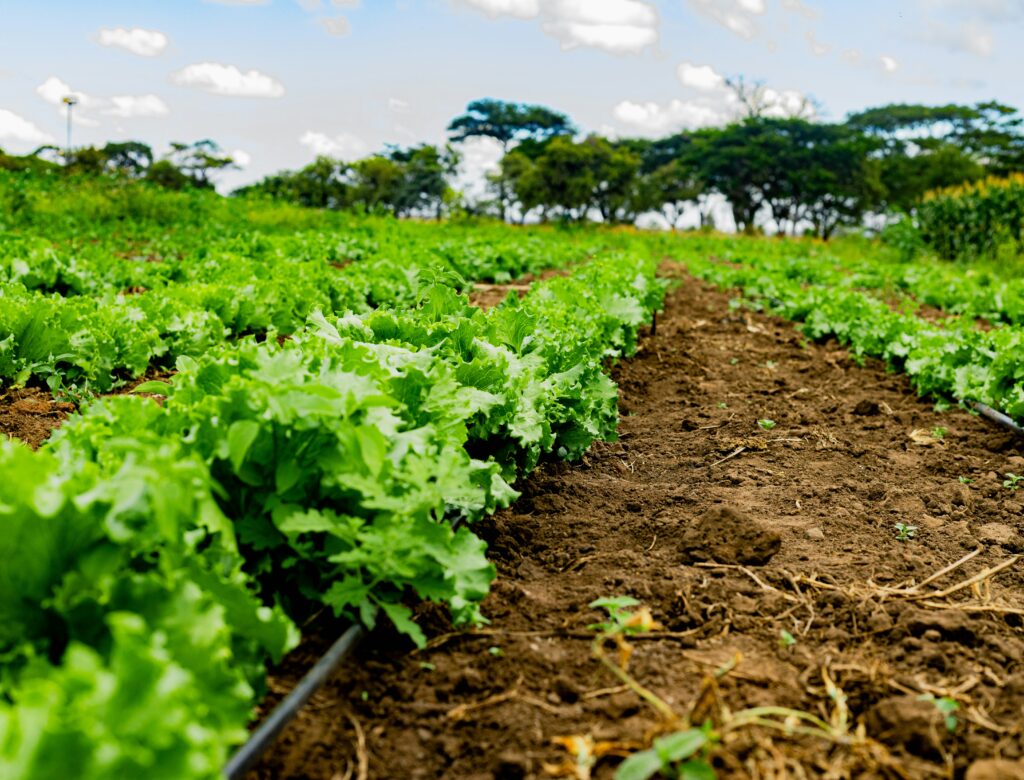
Soil pH management is essential for nutrient availability. Extremely acidic or alkaline soils limit nutrient uptake by plants. Applying lime or gypsum based on soil test recommendations helps maintain optimal pH and improves fertilizer effectiveness. Correcting pH enhances root growth and microbial activity.
In conclusion, sustainable soil fertility management builds healthy soils that support long-term crop productivity and farm profitability. By focusing on soil testing, organic matter addition, integrated nutrient management, crop rotation, and proper fertilizer use, farmers can protect their soil while achieving reliable yields. Healthy soil is a long-term investment that benefits both farmers and the environment.
Join our WhatsApp Channel for daily soil health tips, fertility management guidance, and expert agriculture advice: https://www.whatsapp.com/channel/0029VbBz1Ni5vKAHRbmLNy45