

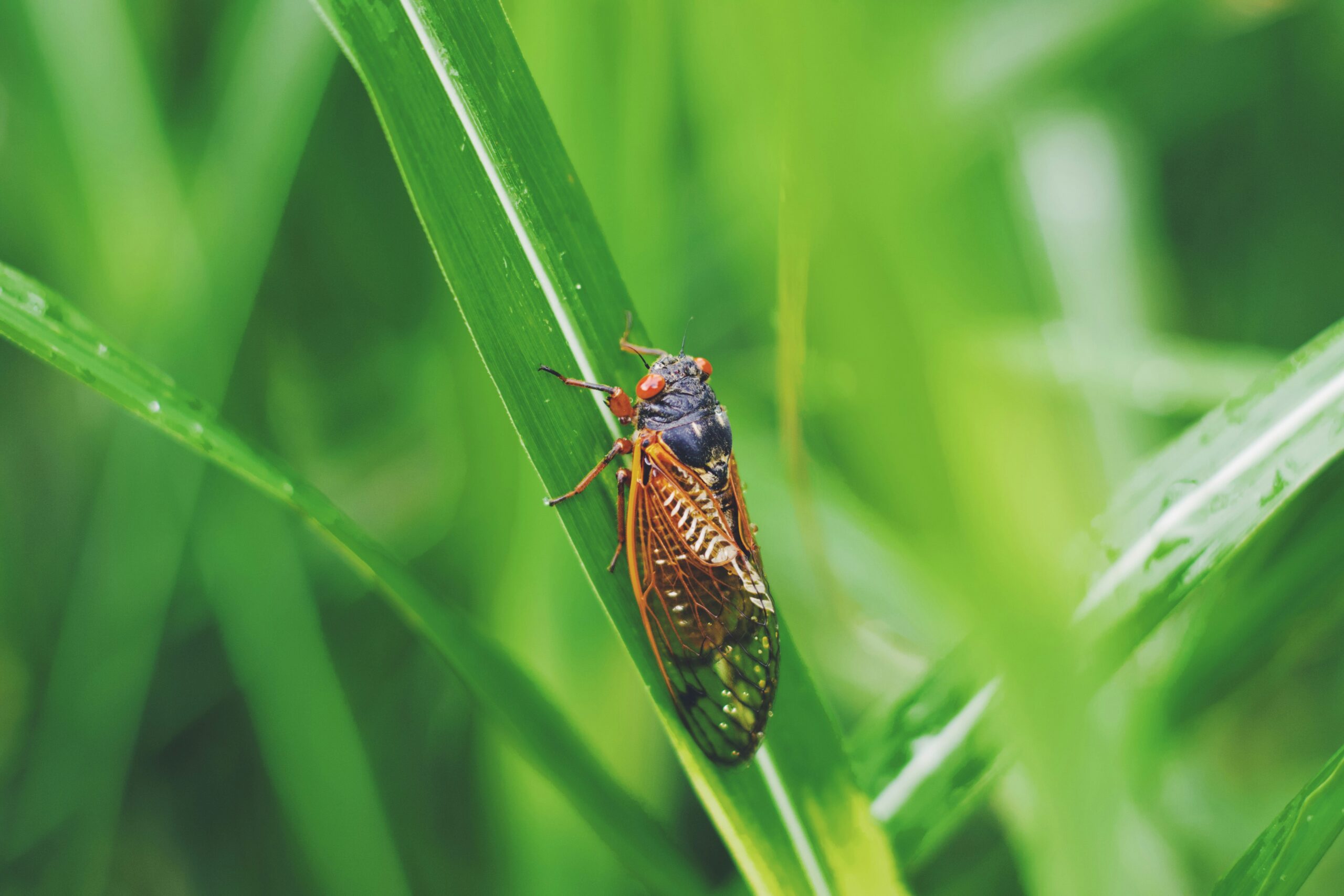
Integrated Pest Management, commonly known as IPM, is a sustainable approach to controlling pests while minimizing harm to crops, humans, and the environment. Instead of relying solely on chemical pesticides, IPM combines cultural, biological, mechanical, and chemical methods to manage pest populations at acceptable levels. This balanced strategy improves crop health, reduces production costs, and supports long-term agricultural sustainability.
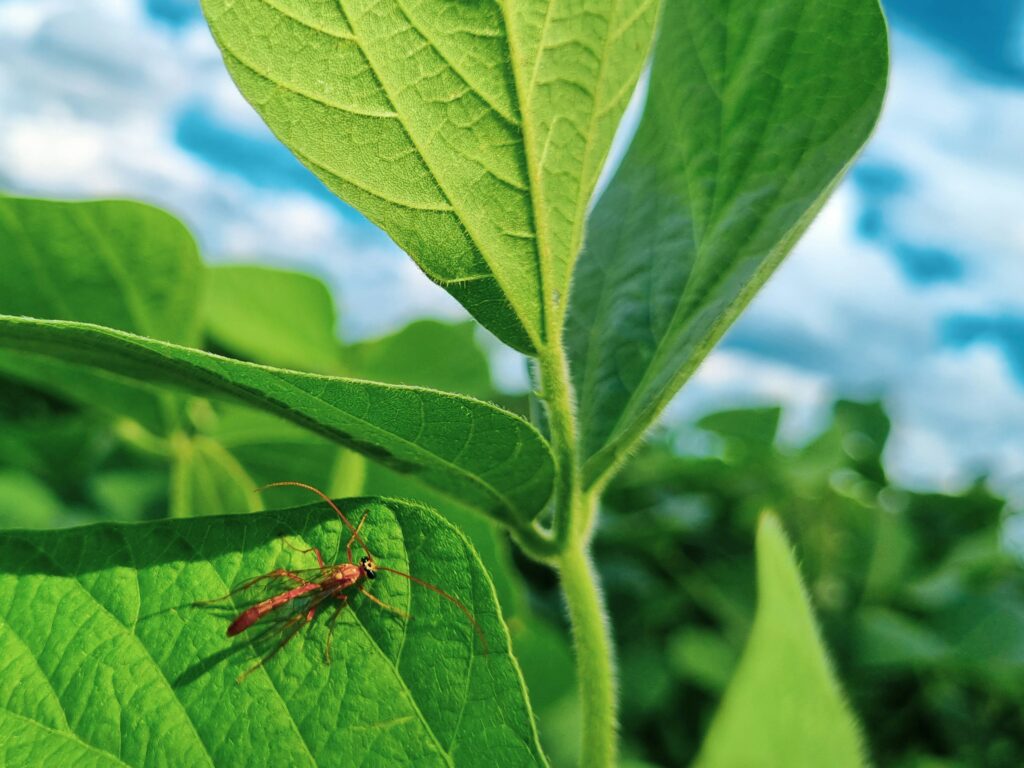
The first principle of IPM is prevention. Healthy crops grown in well-managed soils are naturally more resistant to pests and diseases. Practices such as crop rotation, use of resistant varieties, timely sowing, and proper spacing reduce pest buildup. Clean field conditions and removal of infected plant material further limit pest survival.
Regular monitoring and correct pest identification are essential in IPM. Farmers must observe their fields frequently to detect early signs of pest infestation. Not all insects are harmful; many are beneficial predators or pollinators. Accurate identification helps avoid unnecessary pesticide use and protects useful organisms.
Biological control plays a major role in integrated pest management. Natural enemies such as predators, parasitoids, and pathogens help keep pest populations under control. Encouraging beneficial insects through habitat management and reduced chemical spraying strengthens natural pest regulation. Biological pesticides derived from natural sources are also effective and environmentally safe.
Cultural and mechanical practices help suppress pests without chemicals. Crop rotation disrupts pest life cycles, while trap crops attract pests away from main crops. Mechanical methods such as hand removal, light traps, and pheromone traps reduce pest numbers and help monitor population levels.
Chemical control is used as a last option in IPM and should be applied carefully. When pesticide use becomes necessary, selective and low-toxicity chemicals are preferred. Proper timing, dosage, and application methods reduce harm to beneficial organisms and prevent pesticide resistance.
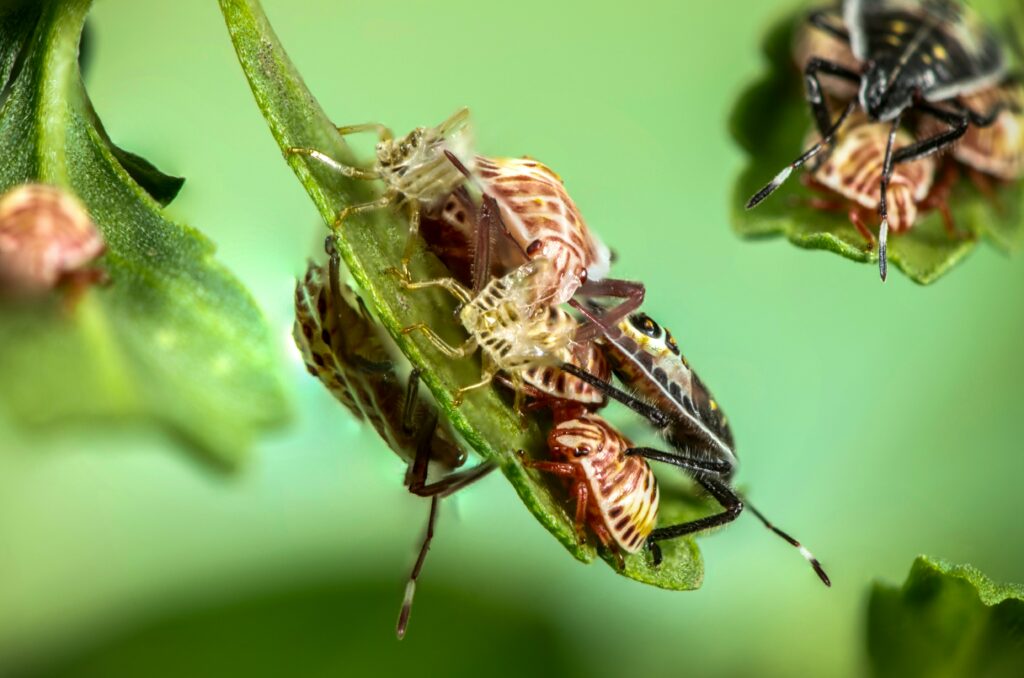
IPM contributes to food safety and environmental protection. Reduced pesticide residues lead to safer food for consumers and healthier ecosystems. Lower chemical use protects soil organisms, water resources, and biodiversity, ensuring long-term farm sustainability.
In conclusion, sustainable integrated pest management provides an effective and eco-friendly solution to pest problems. By combining preventive measures, monitoring, biological control, and responsible chemical use, farmers can protect their crops while reducing costs and environmental risks. IPM supports productive, resilient, and sustainable agricultural systems.
Join our WhatsApp Channel for daily IPM tips, pest identification guidance, and expert agriculture advice: https://www.whatsapp.com/channel/0029VbBz1Ni5vKAHRbmLNy45