

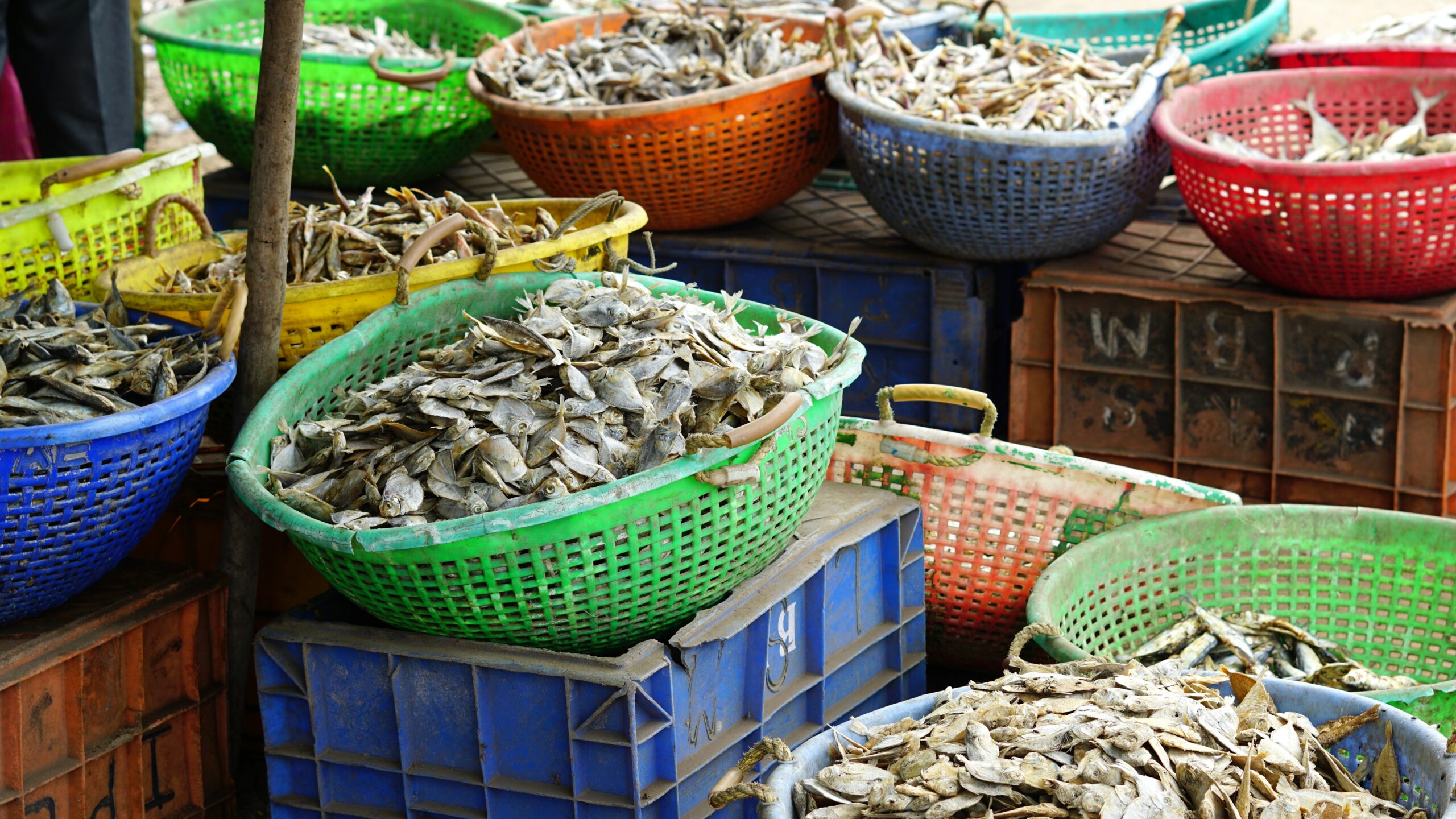
Aquaculture has emerged as a key sector in agriculture, providing high-quality protein and income opportunities for farmers. With growing demand for fish and aquatic products, sustainable aquaculture farming focuses on increasing production while protecting water resources and maintaining ecological balance. Proper planning and management help farmers achieve consistent yields and long-term profitability.
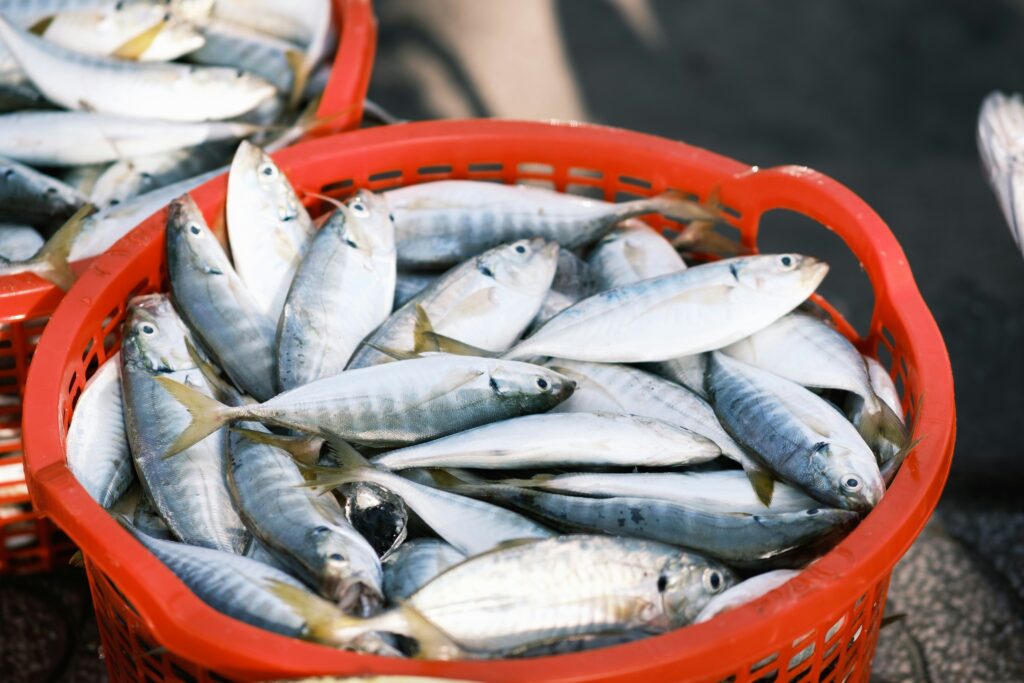
Site selection and pond preparation are the foundation of successful aquaculture. Ponds should be located in areas with reliable water supply and good soil conditions to prevent seepage. Proper pond cleaning, liming, and fertilization improve water quality and support natural food production. Maintaining optimal pond depth helps regulate temperature and oxygen levels.
Species selection plays an important role in sustainable fish farming. Choosing fast-growing and locally adapted fish species improves survival rates and feed efficiency. Polyculture systems, where compatible species are raised together, make better use of available space and natural food resources. Balanced species combinations improve productivity and reduce disease risk.
Water quality management is critical in aquaculture. Parameters such as dissolved oxygen, temperature, pH, and ammonia levels must be monitored regularly. Proper aeration, water exchange, and organic matter control maintain a healthy aquatic environment. Good water quality reduces stress and improves fish growth and immunity.
Feeding management directly affects fish growth and farm economics. Providing nutritionally balanced feed at the correct rate and frequency improves feed conversion efficiency. Overfeeding should be avoided, as it leads to water pollution and increased costs. Using quality feed and observing fish behavior helps optimize feeding practices.
Disease prevention and health management are essential for sustainable aquaculture. Maintaining good water quality, proper stocking density, and hygiene reduces disease outbreaks. Regular health monitoring and use of probiotics strengthen fish immunity. Preventive measures are more effective and economical than treating diseases after outbreaks occur.
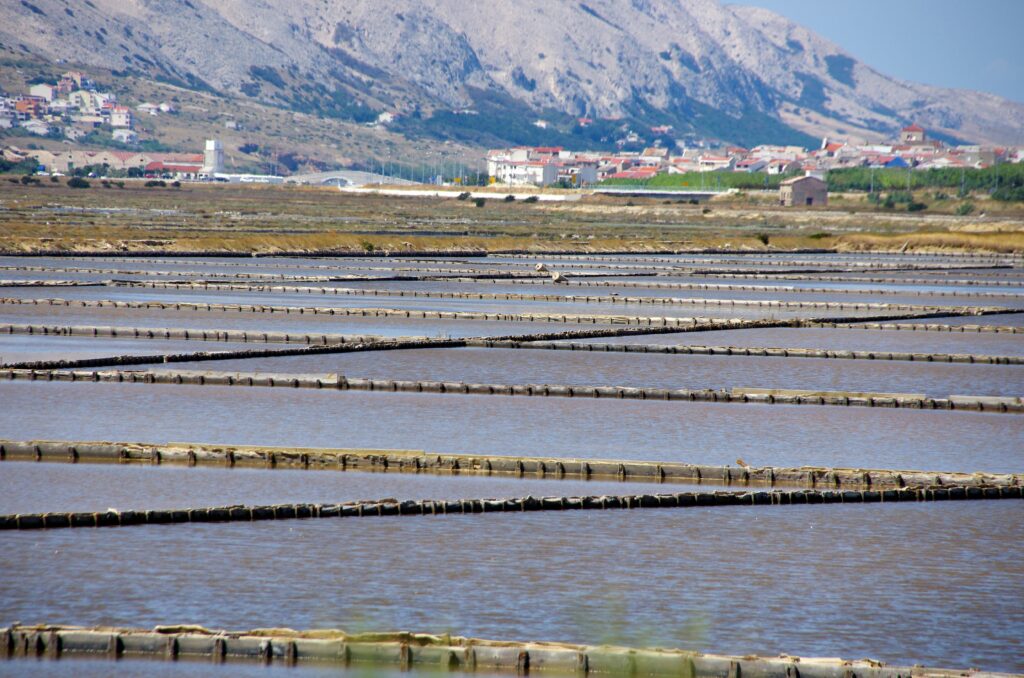
Integrated aquaculture systems enhance sustainability. Fish farming can be combined with crop production, livestock, or duck rearing to recycle nutrients and reduce waste. Such systems improve resource use efficiency and provide multiple income streams for farmers.
In conclusion, sustainable aquaculture farming improves fish production while conserving water resources and protecting the environment. By focusing on proper site selection, species choice, water quality, feeding, and health management, farmers can build profitable and resilient aquaculture enterprises.
Join our WhatsApp Channel for daily aquaculture tips, fish health updates, and expert agriculture advice: https://www.whatsapp.com/channel/0029VbBz1Ni5vKAHRbmLNy45