

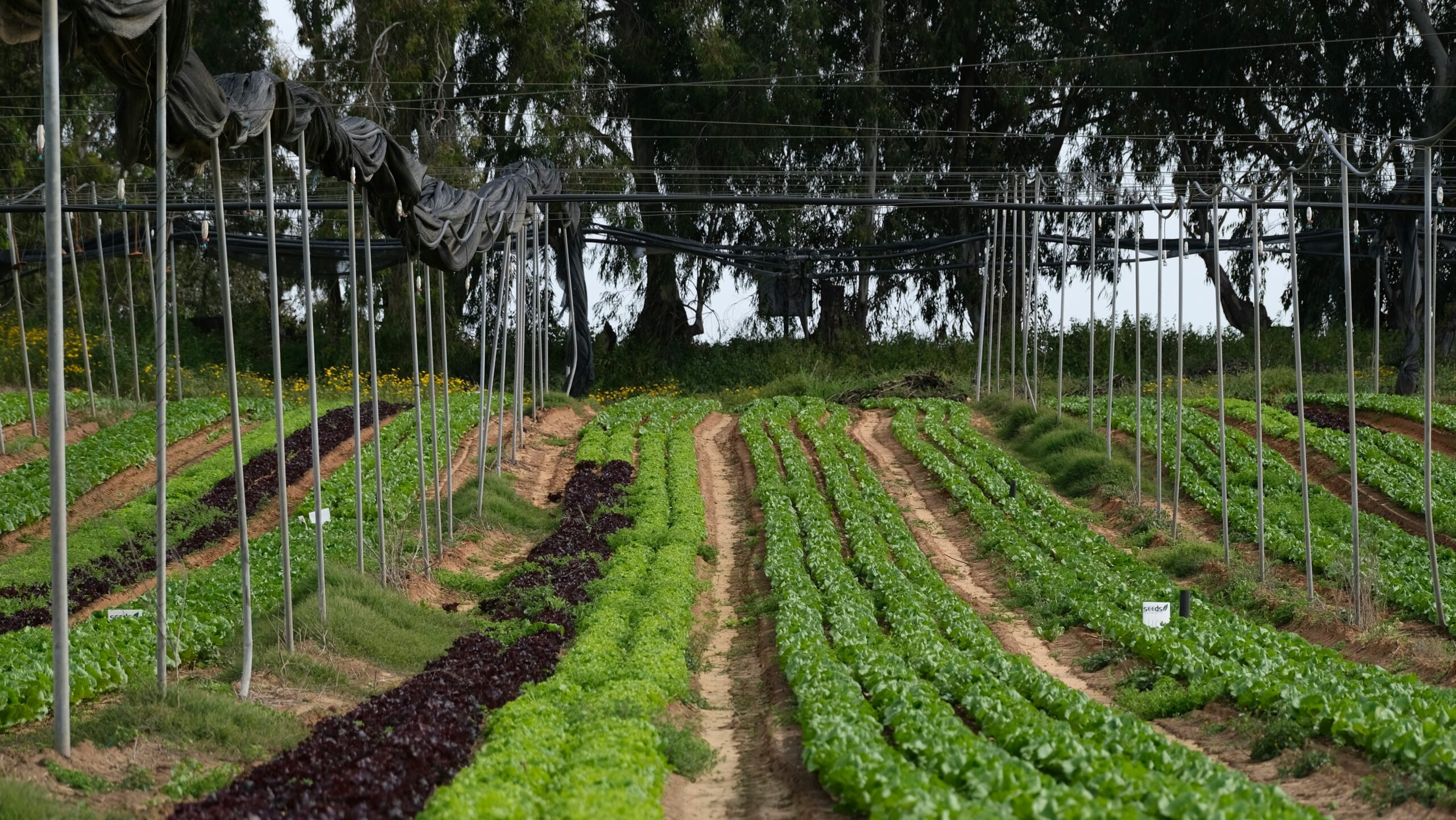
Climate change has become one of the biggest challenges facing agriculture today. Rising temperatures, irregular rainfall, droughts, floods, and extreme weather events are directly affecting crop yields and farm income. Sustainable climate-smart agriculture focuses on adapting farming systems to climate change while reducing environmental impact and improving productivity. This approach helps farmers build resilience and ensure long-term food security.
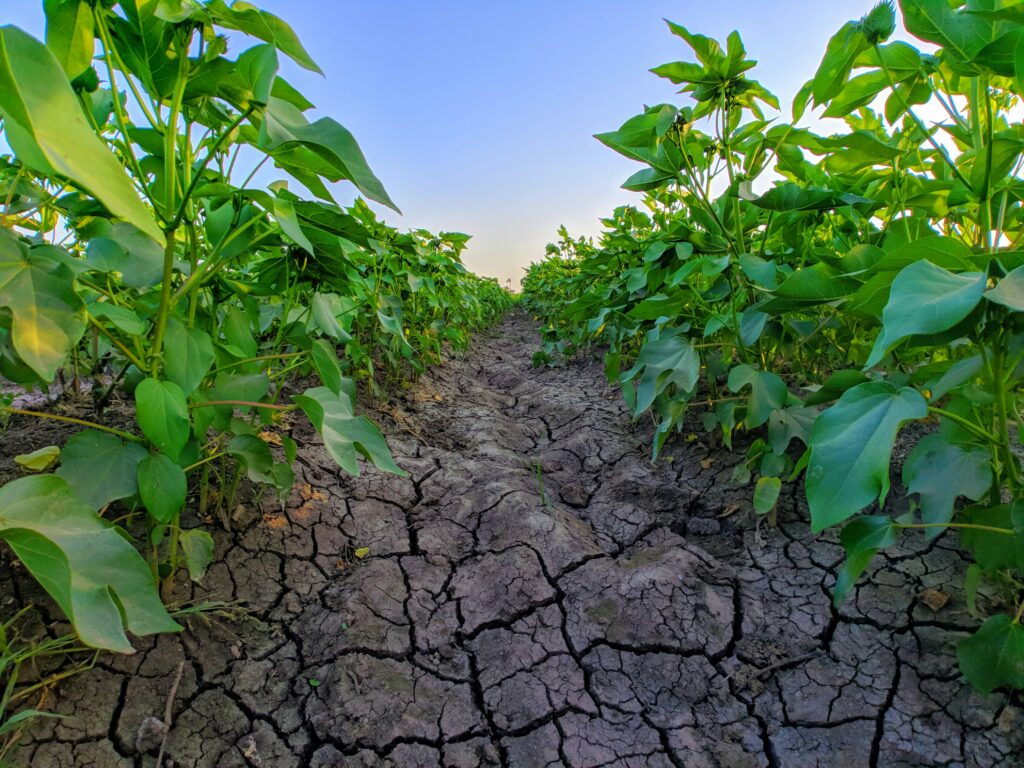
Climate-smart agriculture begins with understanding local climate risks. Farmers need to recognize changing weather patterns and their effects on crops and livestock. Using climate-resilient crop varieties that tolerate heat, drought, or excess moisture reduces the risk of crop failure. Early-maturing varieties help farmers escape late-season droughts and extreme temperatures.
Soil health management is a core component of climate-smart farming. Healthy soils store more carbon and retain moisture better, helping crops withstand dry spells. Practices such as minimum tillage, cover cropping, and organic matter addition improve soil structure and fertility. Improved soil health also reduces erosion and nutrient losses during heavy rainfall.
Water management plays a critical role in climate resilience. Efficient irrigation systems, rainwater harvesting, and proper drainage help farmers cope with both water scarcity and excess rainfall. Scheduling irrigation based on crop needs and weather forecasts improves water-use efficiency and reduces stress on water resources.
Diversification is an important strategy in climate-smart agriculture. Growing a mix of crops, integrating livestock, and adopting agroforestry systems reduce dependency on a single enterprise. Diversified farms are more resilient to climate shocks and provide stable income throughout the year.
Climate-smart practices also focus on reducing greenhouse gas emissions from agriculture. Efficient fertilizer use, improved manure management, and renewable energy sources lower emissions while maintaining productivity. Sustainable livestock feeding and waste recycling further support environmental protection.
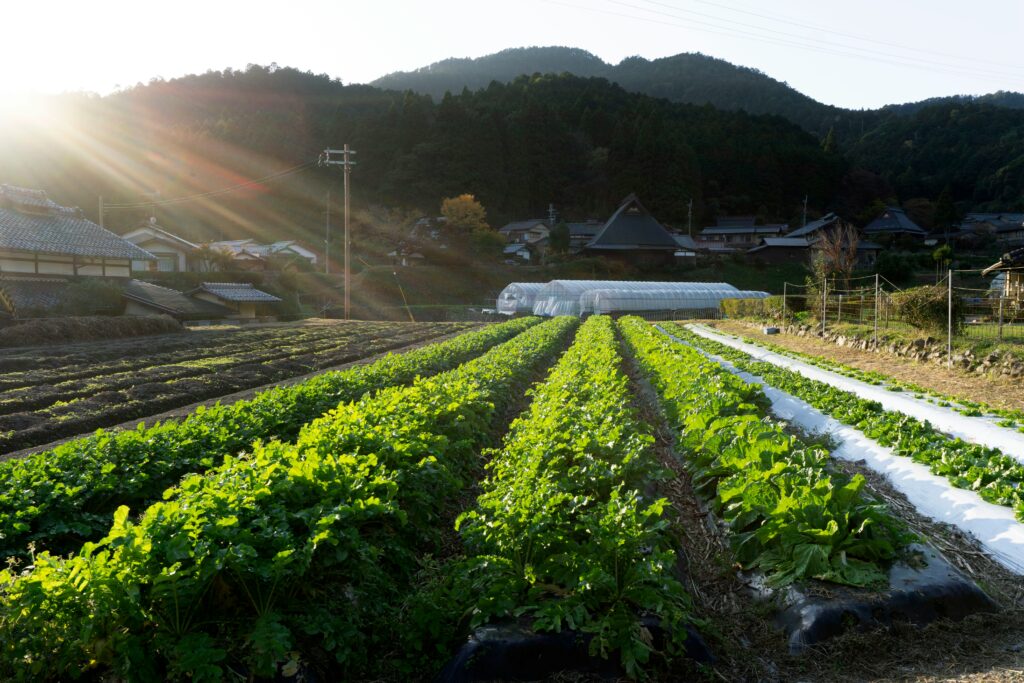
Access to climate information and technology strengthens climate-smart farming. Weather advisories, mobile-based alerts, and decision-support tools help farmers plan farm operations effectively. Timely information allows better risk management and reduces losses due to unexpected weather events.
In conclusion, sustainable climate-smart agriculture offers practical solutions to the challenges posed by climate change. By improving soil health, water management, crop diversity, and resource efficiency, farmers can build resilient farming systems that protect livelihoods and ensure food security for future generations.
Join our WhatsApp Channel for daily climate-smart farming tips, weather-based advisories, and expert agriculture advice: https://www.whatsapp.com/channel/0029VbBz1Ni5vKAHRbmLNy45