

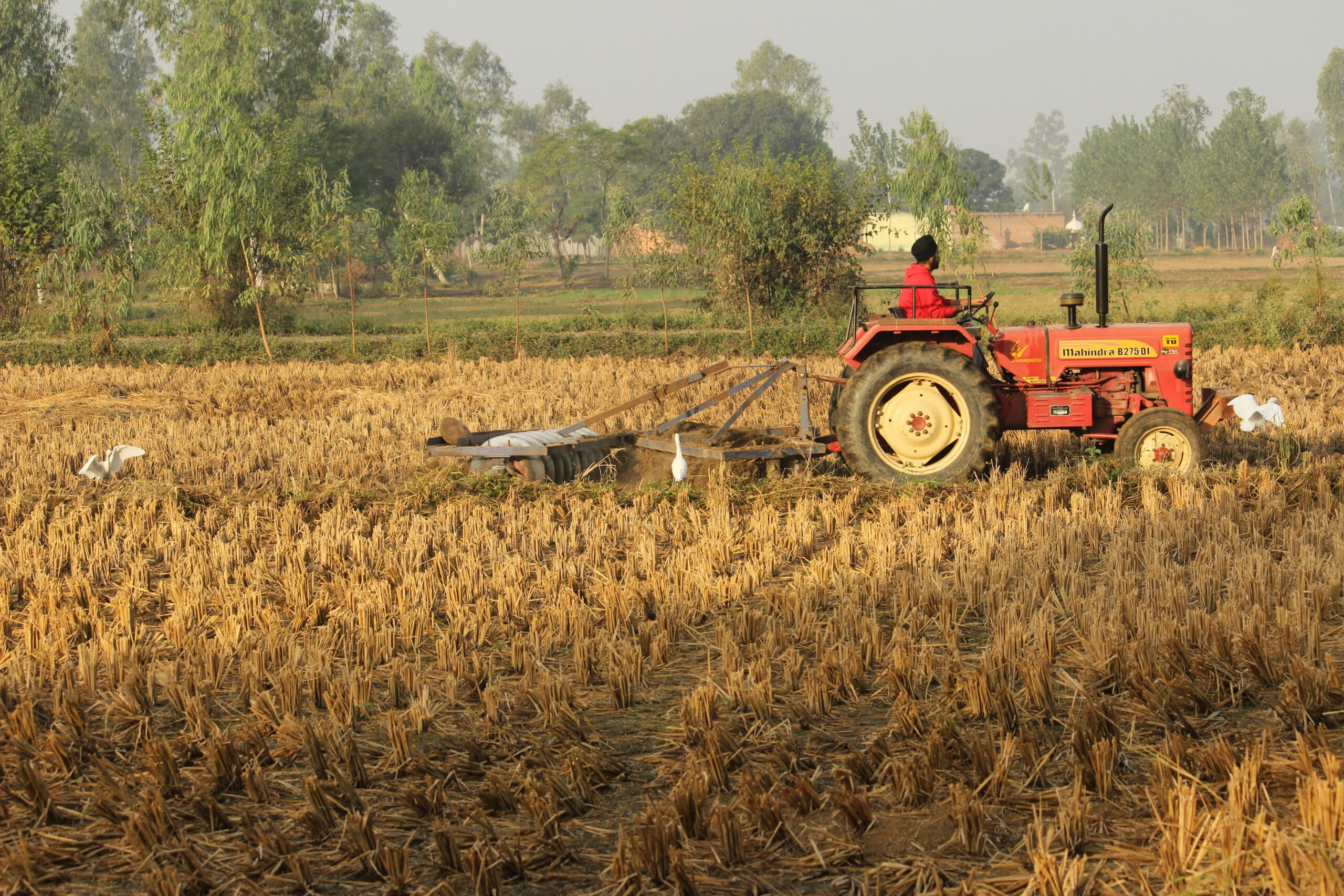
Post-harvest management is a critical stage in agriculture that directly affects food quality, availability, and farmer income. A significant portion of agricultural produce is lost after harvesting due to improper handling, storage, and transportation. Sustainable post-harvest management focuses on preserving quality, reducing losses, and adding value to farm produce while minimizing environmental impact.
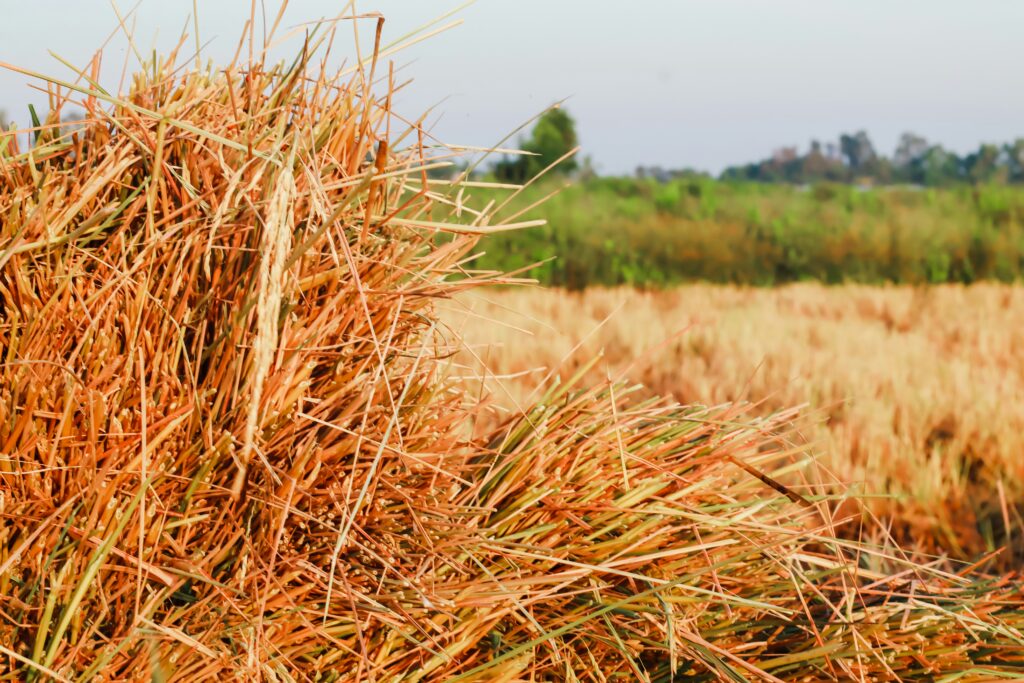
Proper harvesting practices are the first step in post-harvest management. Crops should be harvested at the right stage of maturity to ensure good quality and longer shelf life. Harvesting during cooler parts of the day reduces moisture loss and heat stress. Using clean and sharp tools prevents mechanical damage that can lead to spoilage.
Cleaning and grading help maintain uniform quality and market value. Removing damaged, diseased, or immature produce prevents the spread of decay during storage. Grading based on size, color, and quality improves market acceptance and allows farmers to access better prices. Proper handling during these steps reduces bruising and physical damage.
Storage management plays a vital role in reducing post-harvest losses. Different crops require specific storage conditions of temperature, humidity, and ventilation. On-farm storage structures, cold storage facilities, and improved packaging help extend shelf life. Maintaining clean storage areas prevents pest infestation and fungal growth.
Packaging and transportation significantly affect produce quality. Using appropriate packaging materials protects crops from physical damage and moisture loss. Eco-friendly and reusable packaging supports sustainability. Efficient transportation systems reduce transit time and maintain freshness, especially for perishable fruits and vegetables.
Value addition is an important component of sustainable post-harvest management. Processing produce into dried, canned, or packaged products increases shelf life and market opportunities. Simple value addition at the farm level, such as cleaning, sorting, and packaging, enhances income without heavy investment.
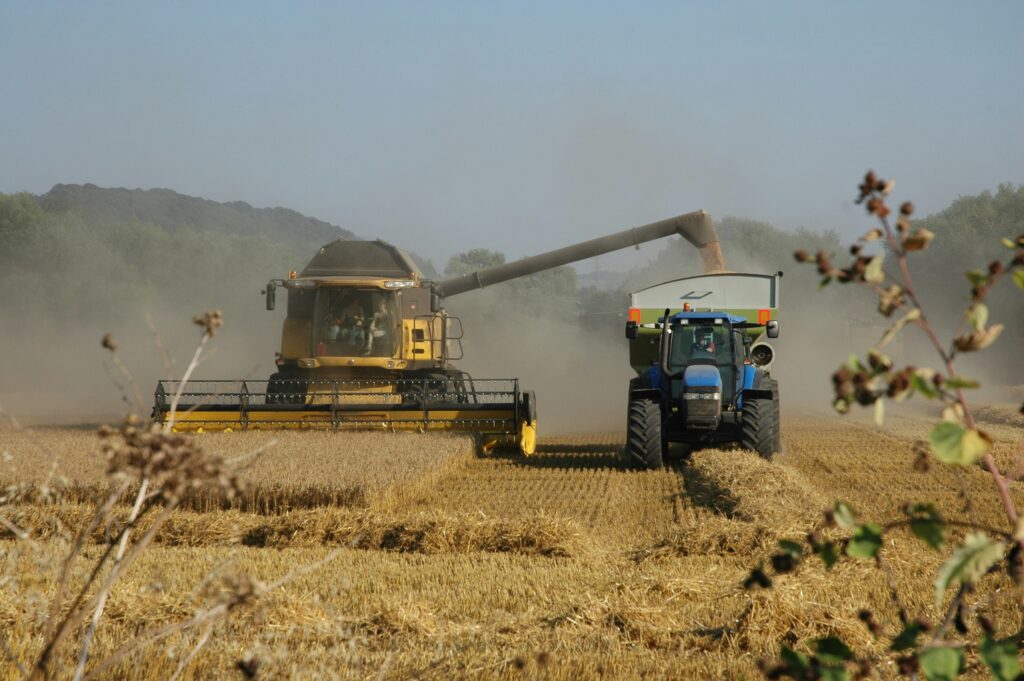
Technology is increasingly supporting post-harvest management. Temperature monitoring, improved storage structures, and mobile-based market information help farmers make better decisions. Training and awareness on post-harvest practices empower farmers to reduce losses effectively.
In conclusion, sustainable post-harvest management ensures that the hard work of farmers results in quality produce reaching consumers. By focusing on proper harvesting, handling, storage, transportation, and value addition, farmers can significantly reduce losses and improve income. Efficient post-harvest systems are essential for food security and sustainable agricultural development.
Join our WhatsApp Channel for daily post-harvest tips, storage guidance, and expert agriculture advice: https://www.whatsapp.com/channel/0029VbBz1Ni5vKAHRbmLNy45