

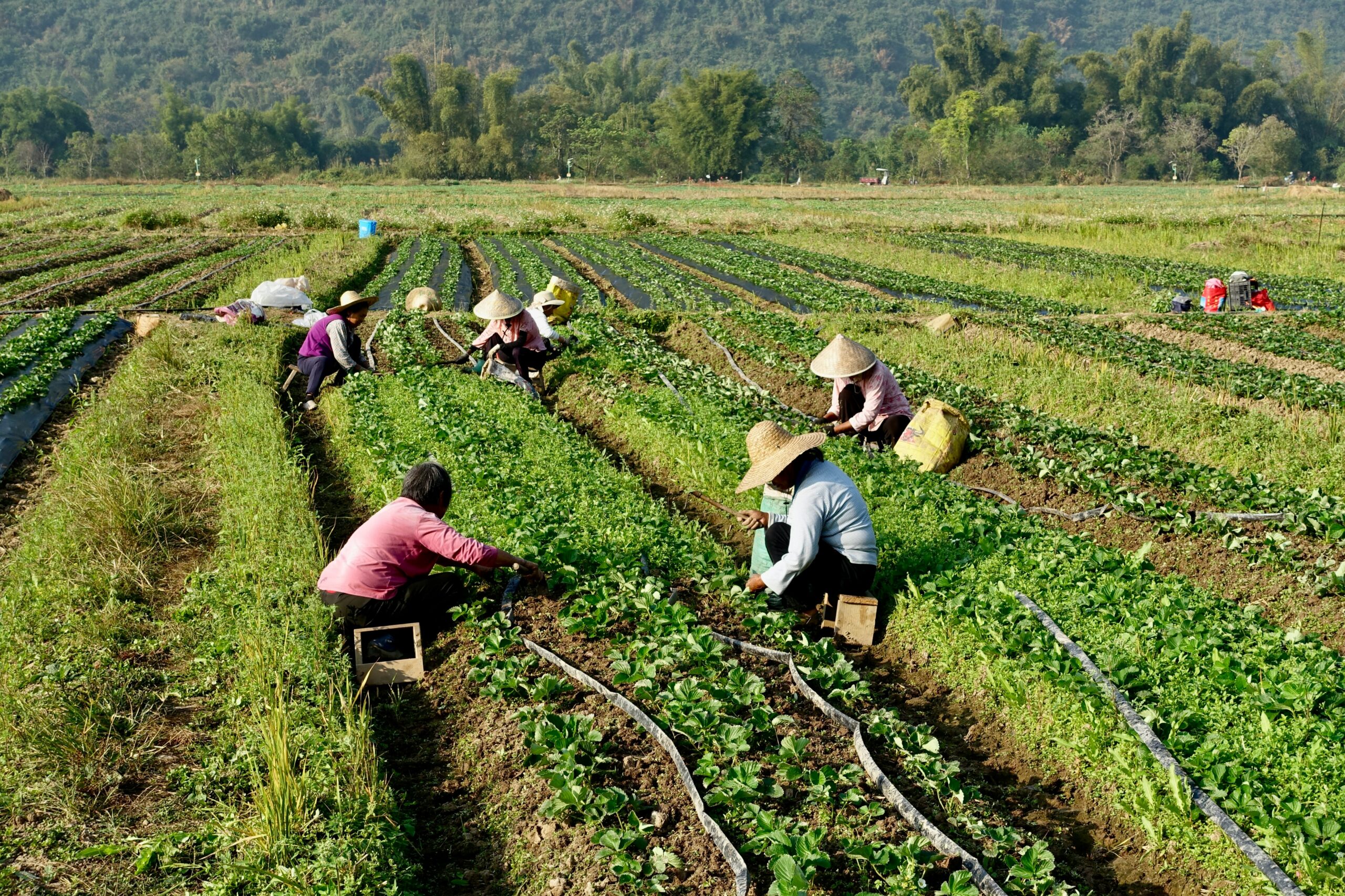
Agri-entrepreneurship is emerging as a powerful pathway to increase farmer income and strengthen rural economies. It goes beyond traditional crop production by adding value, improving market access, and creating employment opportunities. Sustainable agri-entrepreneurship focuses on building profitable agricultural businesses while conserving resources and supporting local communities.
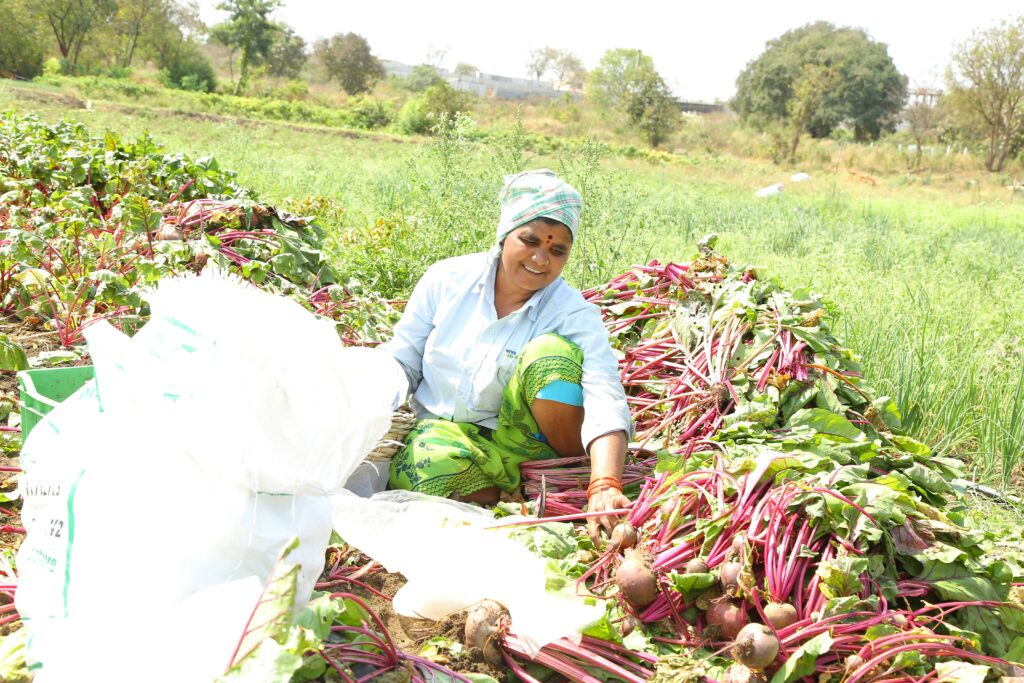
The foundation of agri-entrepreneurship is identifying market opportunities. Understanding consumer demand, price trends, and supply gaps helps farmers choose profitable enterprises. Value-added products such as processed foods, organic produce, and branded farm products often generate higher returns than raw commodities. Market research enables better planning and reduces business risk.
Value addition plays a central role in sustainable agri-business. Simple processing activities such as cleaning, grading, packaging, drying, and milling enhance product quality and shelf life. Processing agricultural produce into jams, juices, flours, oils, or animal feed increases income and creates local employment. Small-scale processing units allow farmers to capture more value within the supply chain.
Supply chain management is essential for successful agri-entrepreneurship. Efficient storage, transportation, and distribution systems reduce losses and maintain product quality. Direct marketing through farmer markets, cooperatives, and digital platforms improves price realization and customer trust. Shorter supply chains also reduce environmental impact.
Financial planning and resource management support business sustainability. Access to credit, government schemes, and cooperative financing enables investment in infrastructure and technology. Keeping accurate records helps farmers track costs, profits, and performance. Sustainable businesses focus on efficient use of inputs to control expenses and reduce waste.
Technology adoption strengthens agri-entrepreneurship. Digital tools support market access, weather forecasting, and farm management. Mobile applications provide real-time price information and connect farmers directly with buyers. Mechanization and automation improve productivity and consistency in value-added operations.

Skill development and capacity building are crucial for long-term success. Training in processing, quality control, branding, and business management enhances competitiveness. Farmer groups and cooperatives encourage knowledge sharing and collective growth, especially for smallholders.
In conclusion, sustainable agri-entrepreneurship transforms farming into a profitable and resilient business. By focusing on value addition, efficient supply chains, smart resource use, and market-driven production, farmers can increase income and contribute to rural development. Agri-entrepreneurship offers a sustainable future for agriculture and farming communities.
Join our WhatsApp Channel for daily agri-business tips, value addition ideas, and expert agriculture guidance: https://www.whatsapp.com/channel/0029VbBz1Ni5vKAHRbmLNy45