

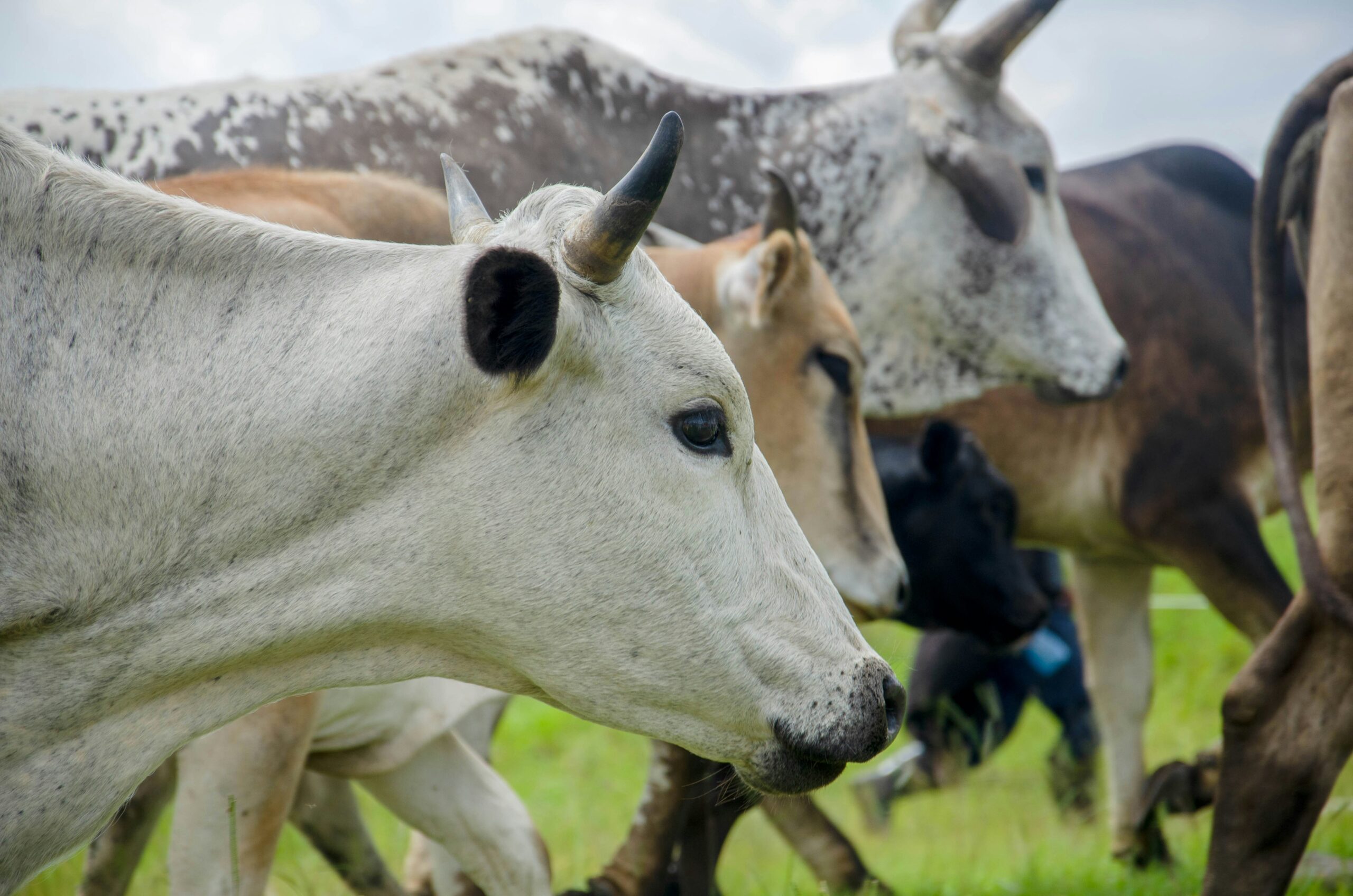
Livestock nutrition is a key factor that determines animal health, productivity, and overall farm income. Balanced and sustainable nutrition ensures better growth, higher milk and meat production, improved reproduction, and stronger immunity. Sustainable livestock nutrition management focuses on meeting animal nutrient requirements efficiently while reducing feed costs and environmental impact.

Understanding the nutritional needs of different livestock species and production stages is the first step in effective feeding. Animals require energy, protein, minerals, vitamins, and clean water in proper proportions. Nutrient requirements vary based on age, body weight, physiological status, and production level. Feeding according to actual needs improves feed efficiency and prevents wastage.
Fodder production and conservation play an important role in sustainable nutrition management. Growing high-yielding fodder crops ensures a regular supply of quality feed. Preserving surplus fodder through silage and hay making helps maintain feed availability during dry seasons. Integrating fodder crops with cropping systems improves land use efficiency and soil fertility.
Use of locally available feed resources reduces feeding costs and supports sustainability. Agricultural by-products such as straw, bran, oil cakes, and crop residues can be effectively used when properly processed and supplemented. Treatment methods such as chopping, soaking, and enrichment improve feed digestibility and nutrient value.
Balanced concentrate feeding improves productivity in high-producing animals. Providing concentrates in the right quantity prevents metabolic disorders and supports steady production. Mineral mixtures and salt are essential for bone health, reproduction, and metabolic functions. Regular supplementation prevents nutrient deficiencies and improves overall performance.
Water management is often overlooked but is critical for livestock nutrition. Clean and sufficient drinking water supports feed intake, digestion, and temperature regulation. Water quality directly affects animal health and productivity. Ensuring easy access to water reduces stress and improves performance.
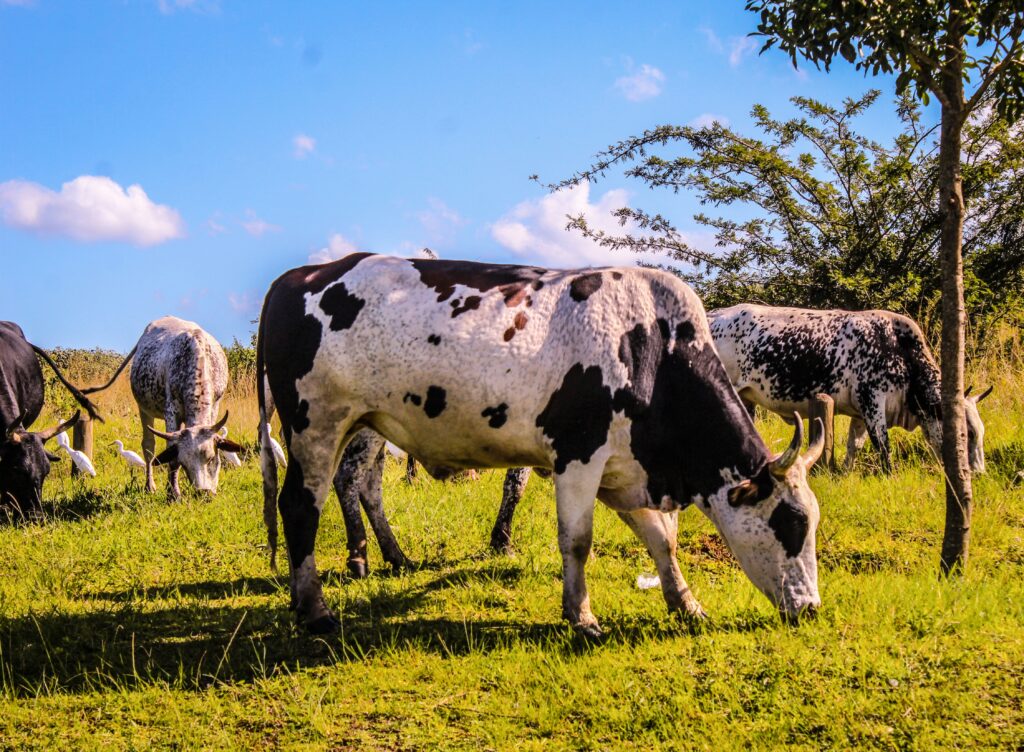
Sustainable nutrition management also focuses on reducing environmental impact. Efficient feeding practices lower methane emissions and nutrient losses. Proper manure management recycles nutrients back to the soil, improving crop production and reducing pollution.
In conclusion, sustainable livestock nutrition management improves animal health, productivity, and farm profitability. By focusing on balanced feeding, fodder conservation, efficient use of local resources, and proper supplementation, farmers can build resilient and productive livestock systems that support long-term agricultural sustainability.
Join our WhatsApp Channel for daily livestock feeding tips, ration planning guidance, and expert agriculture advice: https://www.whatsapp.com/channel/0029VbBz1Ni5vKAHRbmLNy45