

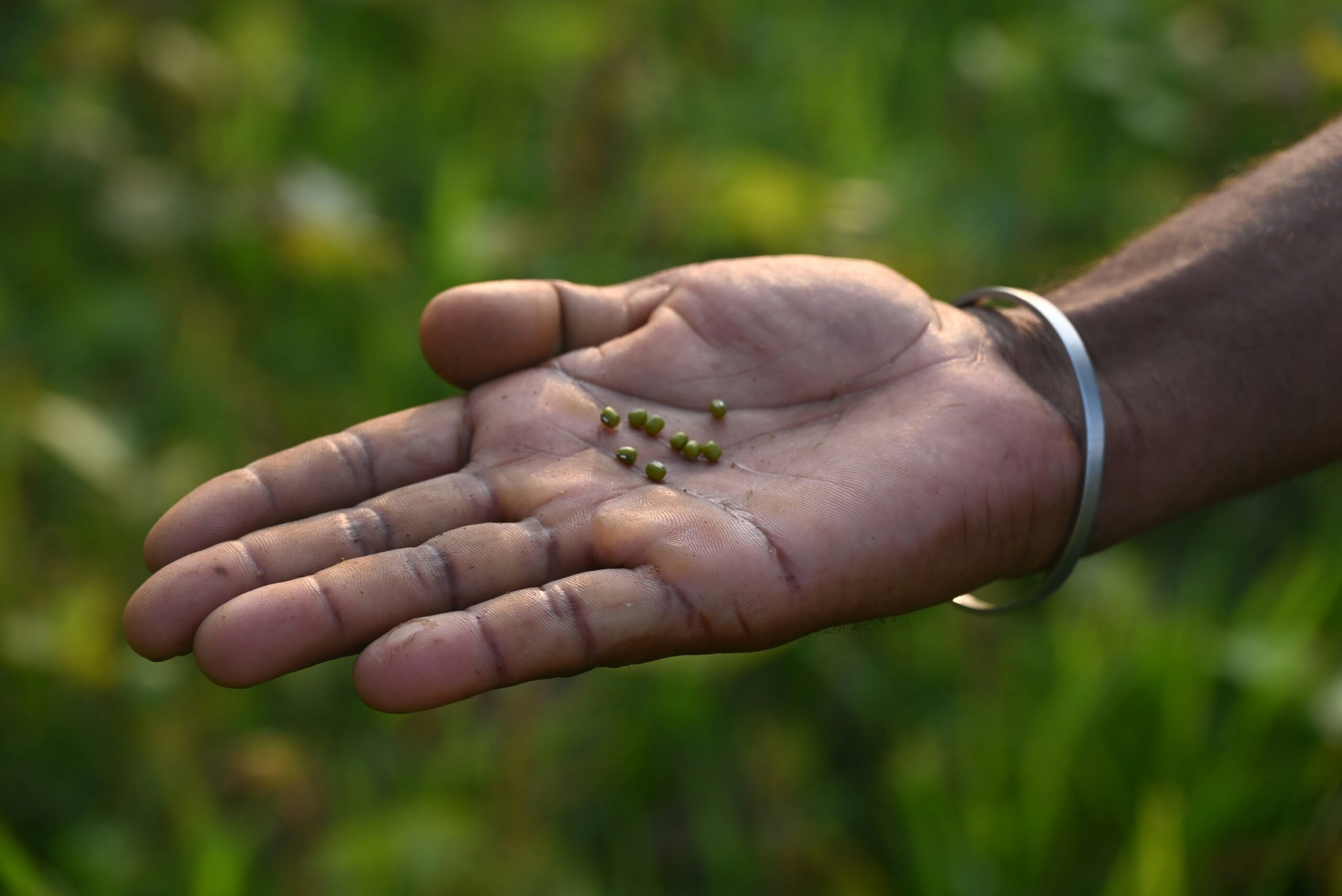
Seed saving and on-farm conservation are traditional practices that are gaining renewed importance in modern agriculture. As farming faces challenges such as climate change, rising input costs, and loss of crop diversity, sustainable seed saving helps farmers maintain control over their production systems. It supports genetic diversity, reduces dependency on external seed sources, and strengthens farm resilience.
Seed saving begins with selecting healthy and true-to-type plants from the field. Plants that show good growth, disease resistance, and desired yield characteristics produce better quality seeds. Selecting seeds from well-adapted plants ensures that future crops perform better under local soil and climate conditions. This gradual adaptation improves crop stability over time.
Proper harvesting of seeds is critical for maintaining viability and purity. Seeds should be collected at full maturity when moisture content is suitable. Careful handling during harvesting prevents mechanical damage, which can reduce germination rates. Cleaning seeds to remove debris, damaged grains, and weed seeds improves storage quality.
Drying and storage are key steps in sustainable seed saving. Seeds must be dried to safe moisture levels before storage to prevent fungal growth and insect infestation. Storing seeds in cool, dry, and dark conditions helps maintain germination capacity. Using airtight containers, natural repellents, and regular inspection protects seeds from pests and moisture damage.
On-farm seed conservation supports crop diversity. Growing and maintaining traditional and local varieties preserves valuable genetic traits such as drought tolerance, pest resistance, and nutritional quality. Diverse seed systems reduce the risk of total crop failure and provide farmers with more options under changing conditions.
Seed saving also improves farm economics. Producing seeds on the farm reduces the need to purchase seeds every season, lowering production costs. Surplus quality seeds can be shared or sold locally, creating additional income opportunities. Community seed banks further strengthen local seed security and farmer cooperation.
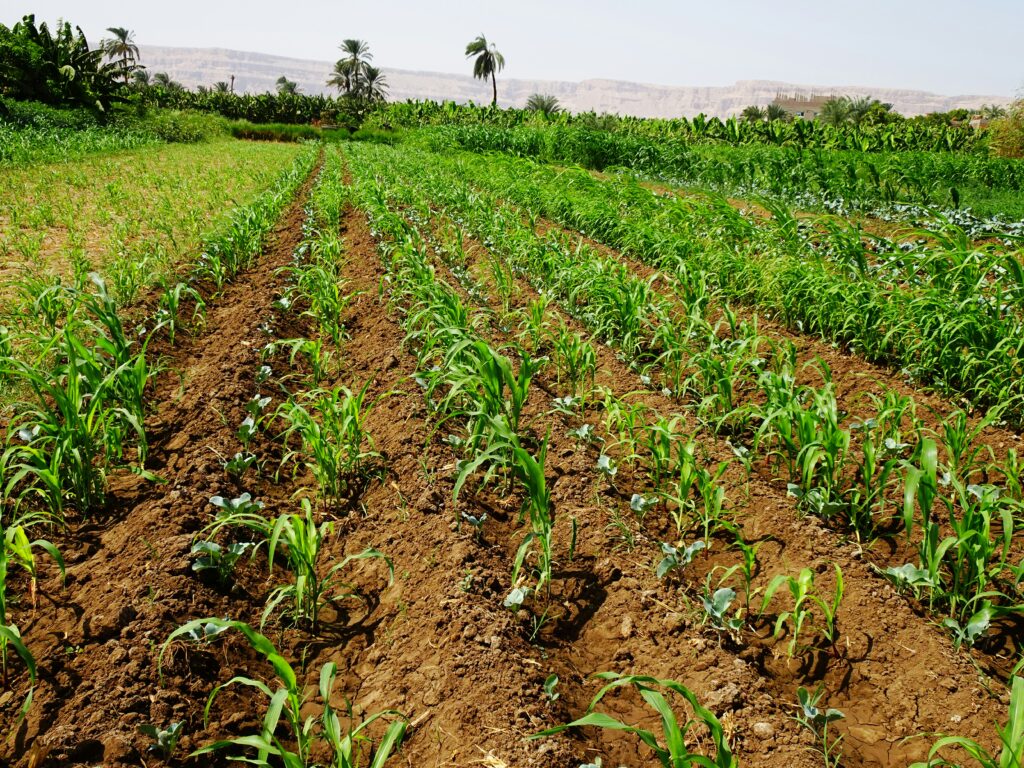
Knowledge sharing and training play an important role in sustainable seed systems. Farmers need guidance on selection, isolation, storage, and quality testing. Collective learning through farmer groups improves seed quality and conservation practices at the community level.
In conclusion, sustainable seed saving and on-farm conservation empower farmers to build resilient and self-reliant farming systems. By preserving genetic diversity, reducing costs, and adapting crops to local conditions, seed saving supports long-term agricultural sustainability and food security.
Join our WhatsApp Channel for daily seed saving tips, crop diversity guidance, and expert agriculture advice: https://www.whatsapp.com/channel/0029VbBz1Ni5vKAHRbmLNy45