

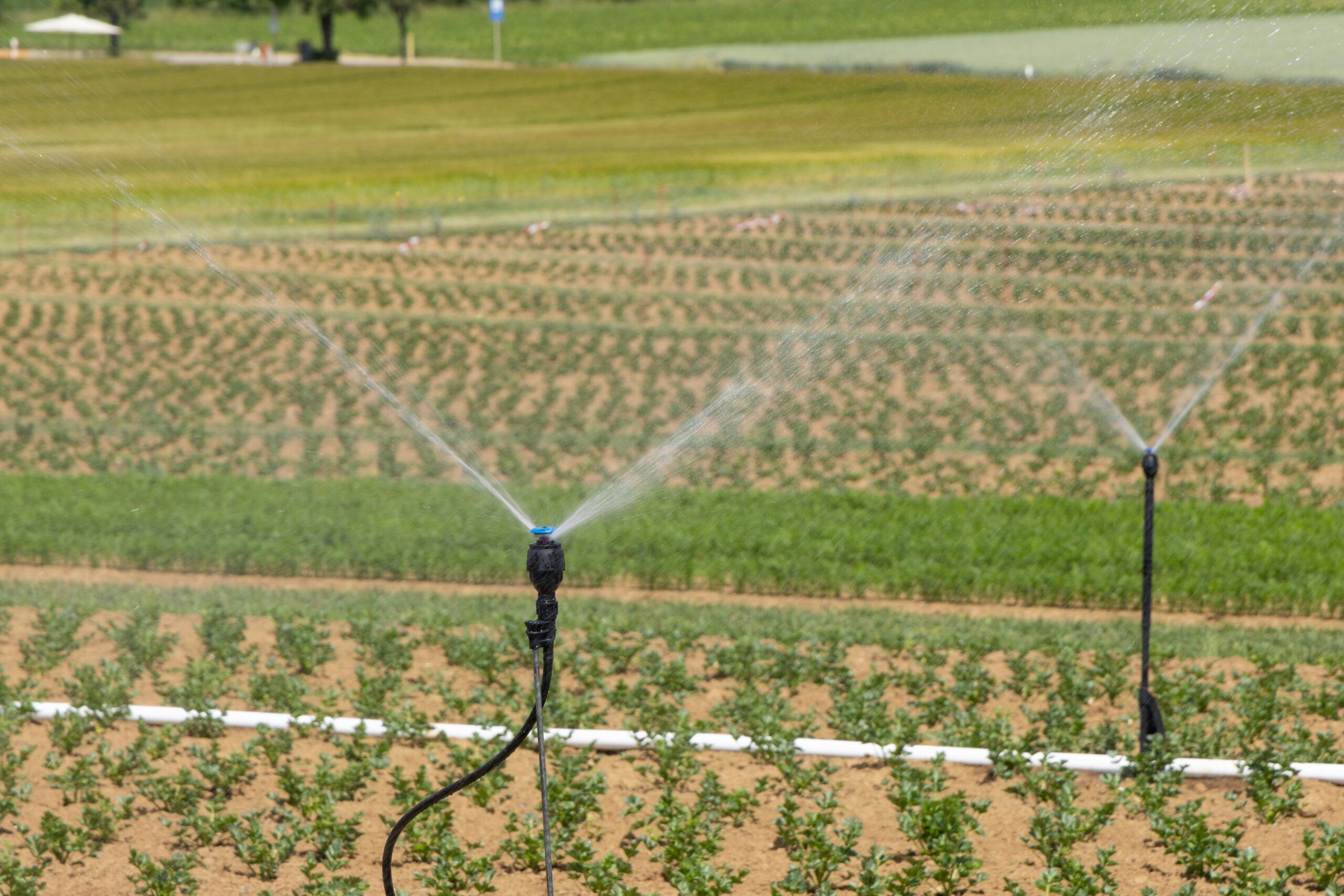
Water scarcity is one of the biggest challenges facing agriculture today. Irregular rainfall, declining groundwater levels, and increasing water demand have made efficient water management essential for sustainable farming. Sustainable water harvesting techniques focus on collecting, storing, and efficiently using rainwater to support crop production, improve soil moisture, and reduce dependence on external water sources.
Rainwater harvesting at the farm level begins with understanding natural water flow. Field bunds, contour bunding, and terracing slow down runoff and allow rainwater to infiltrate the soil. These methods reduce soil erosion and increase groundwater recharge. Conserving water within the field ensures better moisture availability during dry periods.
Farm ponds are an effective water harvesting structure for storing excess rainwater. Properly designed ponds collect runoff during the rainy season and provide supplemental irrigation during dry spells. Even small amounts of stored water applied at critical crop growth stages can significantly increase yields. Lining ponds reduces seepage losses and improves storage efficiency.
Check dams and percolation tanks help harvest water at the community level. These structures slow down water flow in seasonal streams, allowing water to percolate into the ground. Improved groundwater levels benefit wells and boreholes, supporting irrigation and drinking water needs. Community-based water harvesting strengthens collective resource management.
Roof rainwater harvesting is another simple and effective technique. Water collected from rooftops can be stored in tanks and used for nursery raising, livestock, or household needs. This reduces pressure on groundwater and ensures water availability during dry seasons.
In-situ water conservation practices improve soil moisture retention. Mulching, cover cropping, and organic matter addition enhance water-holding capacity. These practices reduce evaporation losses and improve crop resilience to drought stress.
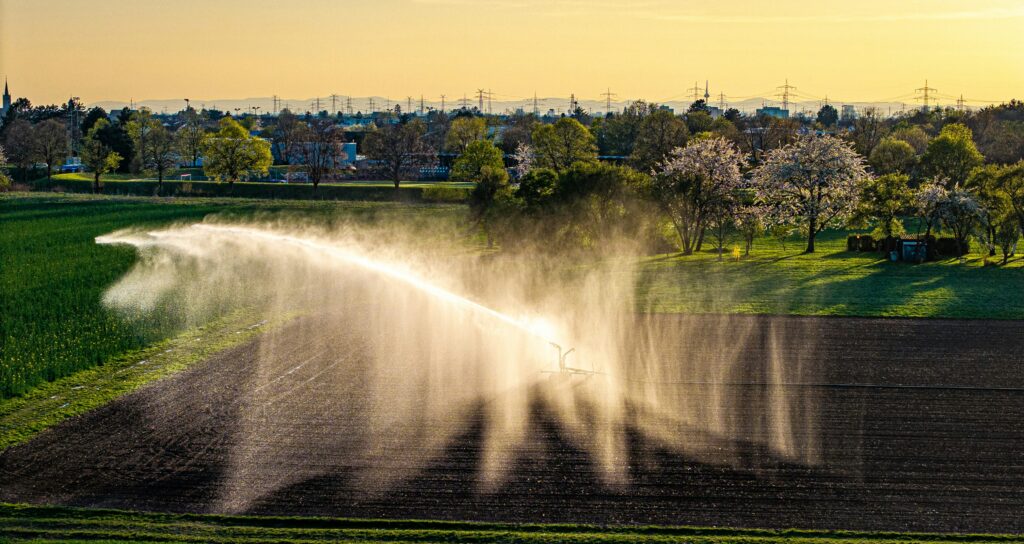
Efficient use of harvested water is essential for sustainability. Drip irrigation and micro-irrigation systems deliver water directly to plant roots, maximizing efficiency. Scheduling irrigation based on crop needs ensures optimal use of stored water.
In conclusion, sustainable water harvesting techniques strengthen farm productivity and resilience against water scarcity. By capturing rainwater, improving soil moisture, and using water efficiently, farmers can stabilize yields and protect water resources. Water harvesting is a long-term investment that supports sustainable agriculture and rural livelihoods.
Join our WhatsApp Channel for daily water management tips, rainwater harvesting ideas, and expert agriculture guidance: https://www.whatsapp.com/channel/0029VbBz1Ni5vKAHRbmLNy45