

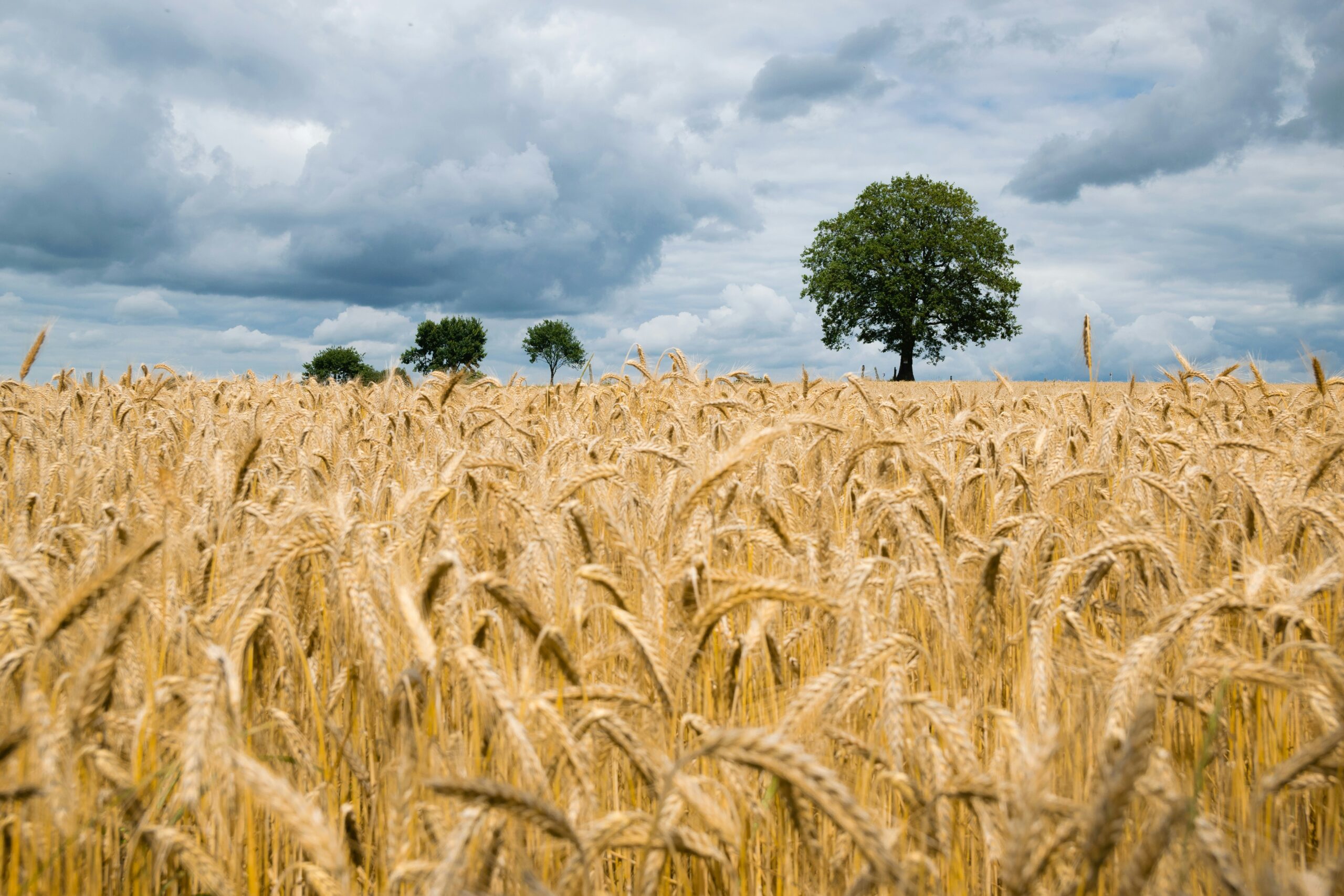
Crop rotation is one of the oldest agricultural practices, yet it remains highly relevant in modern farming systems. Climate-smart crop rotation focuses on planning crop sequences that improve soil health, reduce climate risks, and stabilize yields under changing environmental conditions. By diversifying crops over time, farmers can build resilient production systems while lowering input costs.
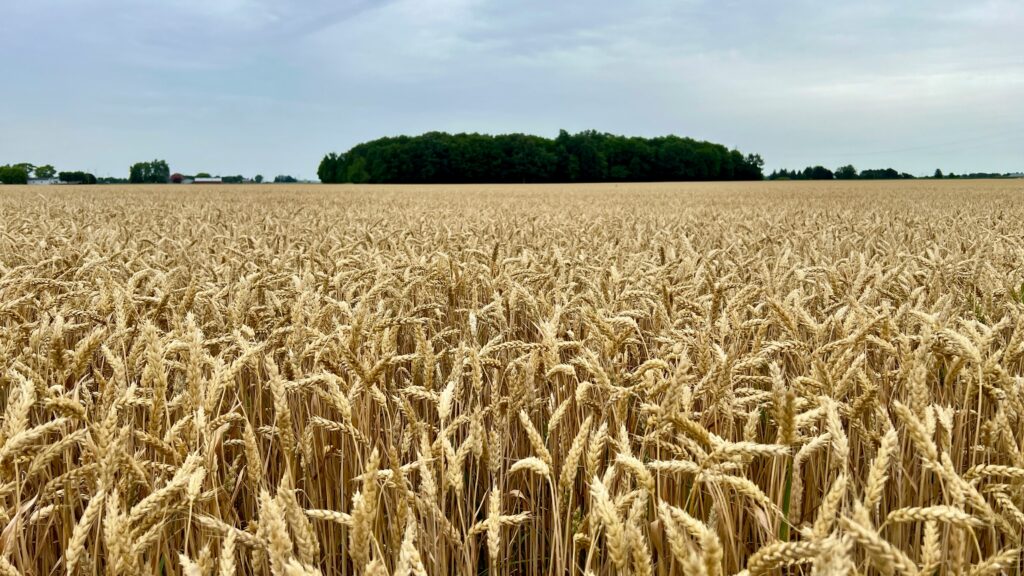
The main benefit of crop rotation is improved soil fertility. Different crops use and return nutrients in different ways. Leguminous crops such as pulses and beans fix atmospheric nitrogen and enrich the soil for subsequent crops. Deep-rooted crops bring nutrients from deeper soil layers to the surface, making them available for shallow-rooted crops in the next season.
Crop rotation also plays a major role in pest and disease management. Many pests and pathogens are crop-specific and cannot survive without their host plants. Rotating crops breaks pest life cycles and reduces disease buildup in the soil. This lowers the need for chemical pesticides and supports sustainable crop protection.
Weed control is another important advantage of crop rotation. Different crops have varying growth habits, canopy structures, and planting times. Changing crop patterns disrupts weed adaptation and reduces weed pressure over time. Integrated weed management becomes more effective when rotation is combined with proper land preparation and timely cultivation.
Climate-smart crop rotation improves water use efficiency and soil structure. Crops with extensive root systems improve soil aggregation and infiltration. Better soil structure allows rainwater to penetrate deeper into the soil, reducing runoff and erosion. Improved moisture retention helps crops tolerate drought and irregular rainfall.
Economic stability is strengthened through diversified crop rotation. Growing multiple crops spreads risk and reduces dependence on a single commodity. Farmers can take advantage of market opportunities and maintain income even if one crop performs poorly due to climate or price fluctuations.
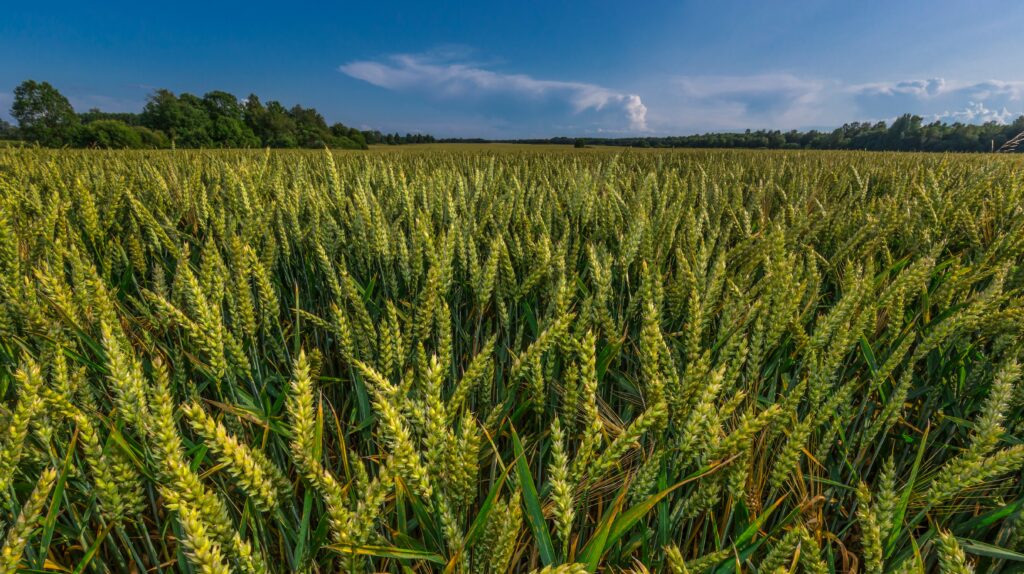
Planning effective crop rotations requires understanding local climate, soil conditions, and market demand. Rotations should be designed to balance nutrient use, manage pests, and fit within available resources. Long-term planning ensures consistent benefits and sustainable land use.
In conclusion, climate-smart crop rotation is a powerful tool for sustainable agriculture. By improving soil fertility, controlling pests and weeds, conserving water, and reducing climate risks, crop rotation supports stable yields and long-term farm productivity.
Join our WhatsApp Channel for daily crop planning tips, rotation strategies, and expert agriculture advice: https://www.whatsapp.com/channel/0029VbBz1Ni5vKAHRbmLNy45