

Integrated farming systems combine different agricultural enterprises such as crops, livestock, fisheries, poultry, and agroforestry on the same farm. This approach focuses on efficient resource use, waste recycling, and income diversification. Sustainable integrated farming systems reduce risk, improve productivity, and support long-term farm resilience, especially for small and medium-scale farmers.
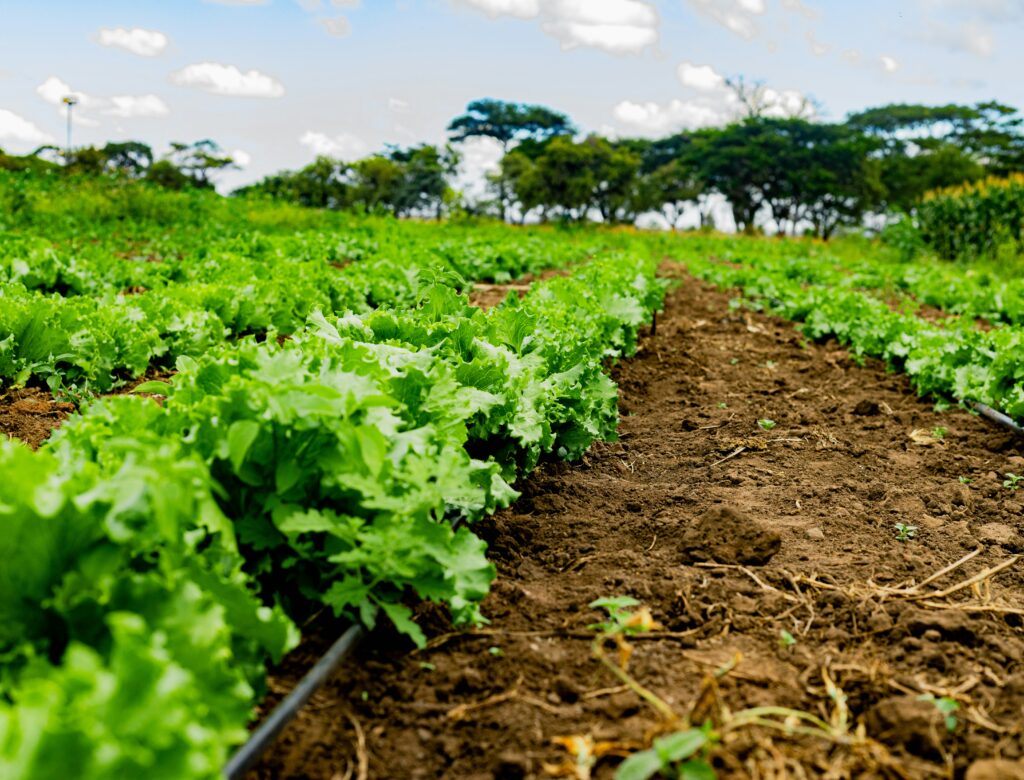
The core principle of integrated farming is resource recycling. Crop residues and by-products are used as livestock feed, while animal manure is returned to fields as organic fertilizer. Fish pond water rich in nutrients can be used for irrigation. This recycling reduces dependence on external inputs and lowers production costs.
Crop and livestock integration improves overall farm efficiency. Crops provide feed and fodder, while livestock contribute manure and additional income. This synergy enhances soil fertility, improves crop yields, and stabilizes income throughout the year. Integrated systems also reduce vulnerability to market and climate risks.
Diversification is a major strength of integrated farming. Growing multiple crops and combining them with animal enterprises spreads risk and ensures steady cash flow. If one enterprise faces losses due to weather or market fluctuations, others continue to generate income. This stability is particularly important for smallholders.
Integrated farming systems support environmental sustainability. Reduced chemical input use protects soil and water quality. Increased biodiversity improves pest control and ecosystem balance. Trees and perennial components enhance carbon sequestration and microclimate regulation.
Efficient water management is another advantage of integrated farming. Water used in one enterprise can support others, such as using fish pond water for crops. This improves water-use efficiency and reduces wastage, especially in water-scarce regions.
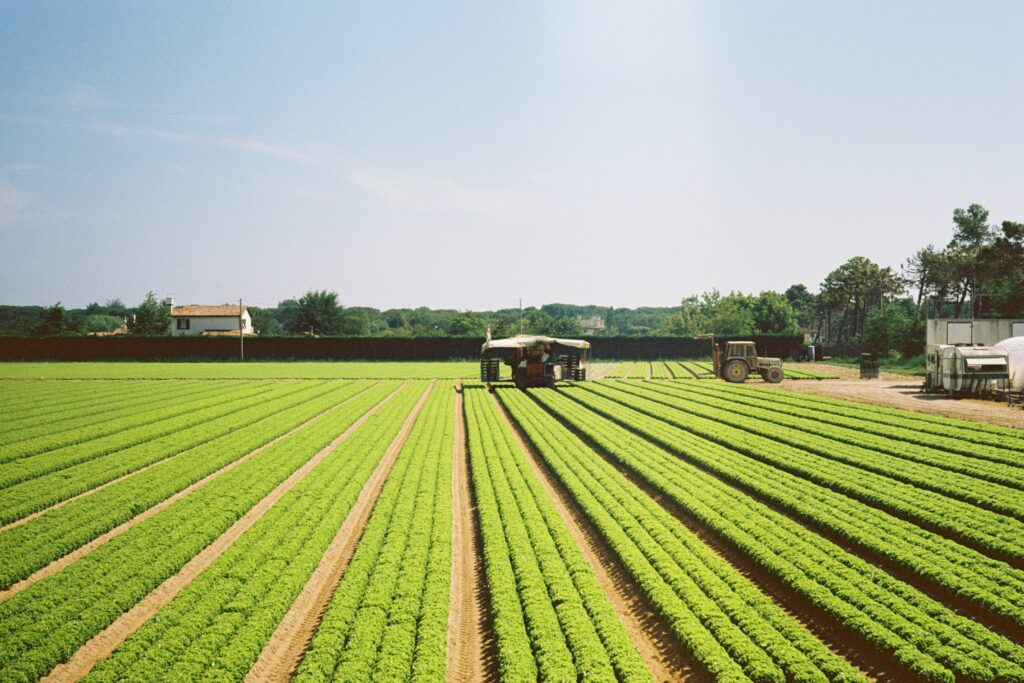
Proper planning and management are essential for successful integration. Farmers must select compatible enterprises based on local conditions, resource availability, and market demand. Training and technical guidance help optimize interactions between different components.
In conclusion, sustainable integrated farming systems provide a practical solution for improving farm income, reducing risk, and conserving resources. By combining crops, livestock, and other enterprises in a balanced way, farmers can build resilient and productive farming systems that support long-term agricultural sustainability.
Join our WhatsApp Channel for daily integrated farming tips, diversification ideas, and expert agriculture guidance: https://www.whatsapp.com/channel/0029VbBz1Ni5vKAHRbmLNy45