

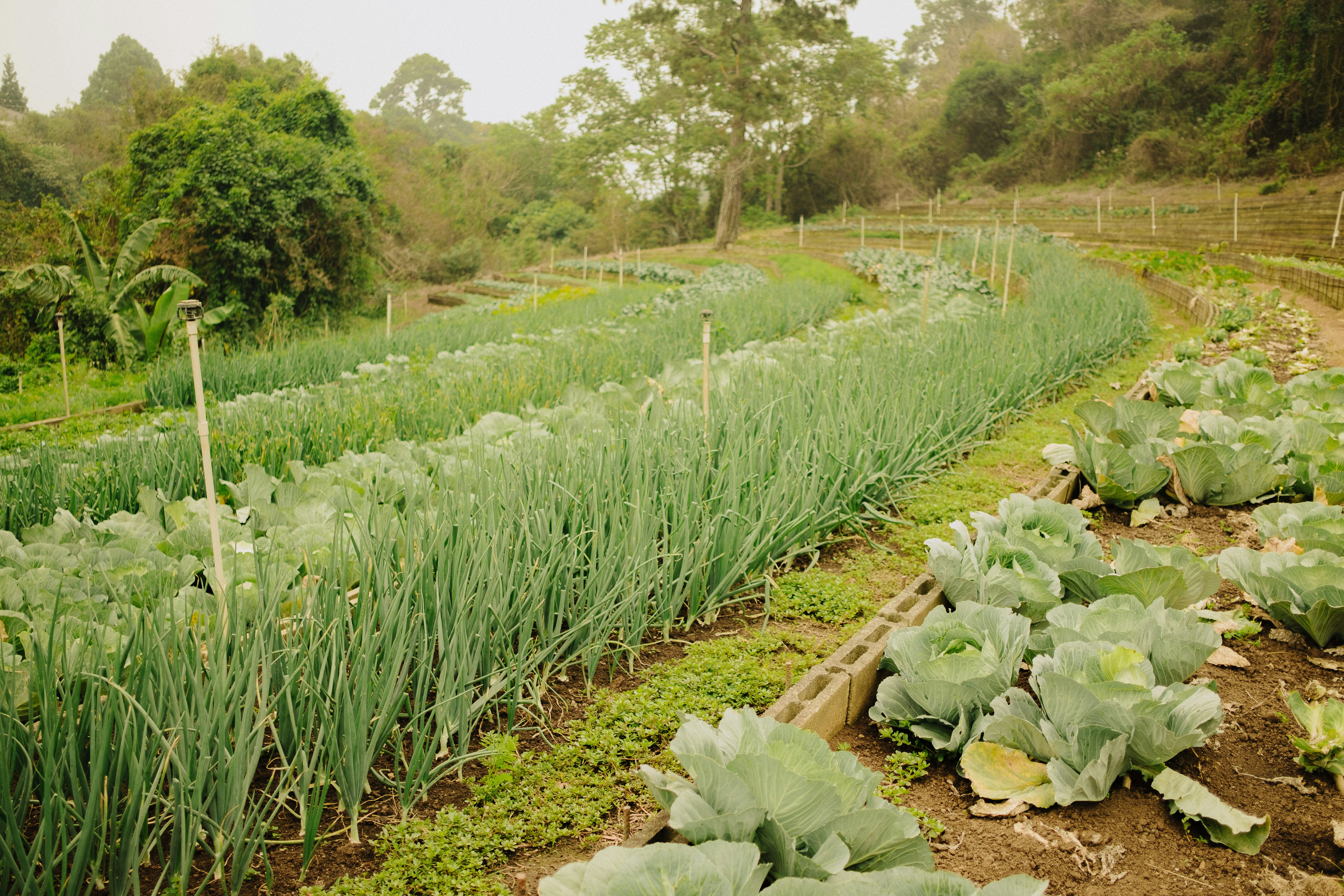
In recent years, organic farming has become one of the most trusted and rapidly growing agricultural practices across the world. Consumers are becoming more health-conscious, demanding food that is grown without chemicals, synthetic fertilizers, or harmful pesticides. As a result, farmers are shifting towards organic agriculture, not only to access premium markets but also to protect soil health and long-term farm sustainability.
This blog explores what organic farming is, its benefits, core principles, and how farmers can start practicing it today.
What Is Organic Farming?
Organic farming is a production system that focuses on growing crops and raising livestock using natural inputs and environmentally friendly practices. It avoids synthetic fertilizers, genetically modified organisms (GMOs), chemical pesticides, and growth hormones.
Instead, organic farming depends on:
- Compost
- Farmyard manure (FYM)
- Biological pest control
- Green manuring
- Crop rotation
- Natural soil enhancers
The goal is to create a self-sustaining agricultural system that improves soil health, supports biodiversity, and produces healthier, chemical-free food.
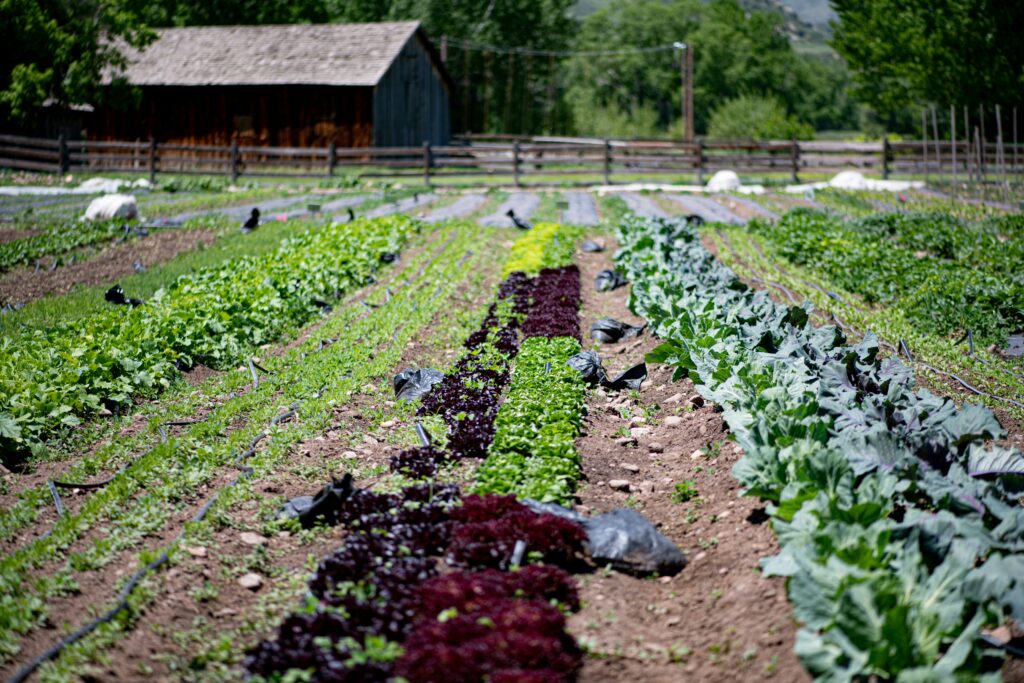
Benefits of Organic Farming
1. Healthy Soil Structure
Organic matter from compost, cow dung, and crop residues increases soil fertility, enhances microbial activity, and improves water retention.
2. Chemical-Free and Nutritious Food
Organic crops contain higher antioxidants and lower chemical residues, making them more nutritious and safe for consumption.
3. Better Market Demand and Premium Prices
Organic produce often sells at higher prices, giving farmers better profit margins compared to conventional crops.
4. Long-Term Farm Sustainability
Reducing chemical dependency prevents soil degradation and supports long-term productivity.
5. Environmental Protection
Organic farming conserves biodiversity, reduces soil and water pollution, and minimizes greenhouse gas emissions.
Core Principles of Organic Farming
1. Soil Management
Healthy soil is the foundation of organic farming. Techniques include:
- Compost application
- Vermicomposting
- Green manures
- Mulching
These improve soil nutrients and structure naturally.
2. Crop Rotation
Growing different crops in sequence prevents nutrient depletion, reduces pest cycles, and improves soil health.
3. Biological Pest Control
Instead of chemical pesticides, farmers use:
- Beneficial insects
- Neem extract
- Botanical pesticides
- Traps and barriers
This ensures ecological balance and healthier crops.
4. Natural Fertilizers
Organic farmers use:
- Cow dung manure
- Bone meal
- Seaweed extract
- Biofertilizers (Azotobacter, Rhizobium, PSB)
These provide essential nutrients without chemical pollution.
5. Organic Certification Standards
To sell produce as organic, farmers must follow certification guidelines, maintain records, and avoid prohibited chemicals.
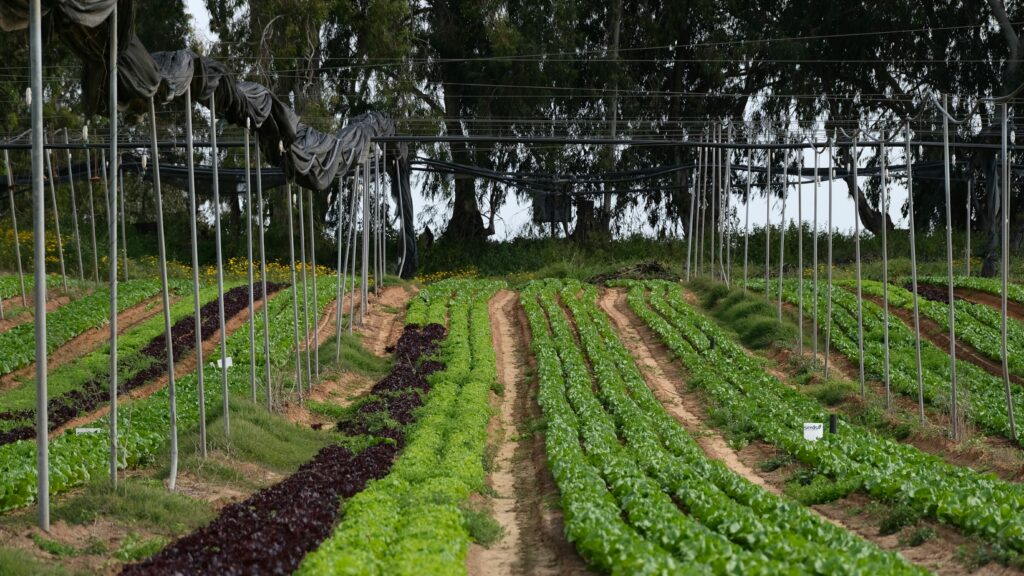
How to Start Organic Farming
Step 1: Prepare the Soil
Add compost, manure, or green manure crops to increase fertility.
Step 2: Choose Suitable Crops
Vegetables, pulses, fruits, and spices perform very well in organic conditions.
Step 3: Use Natural Inputs
Adopt homemade fertilizers like jeevamrut, ghanjeevamrut, and panchagavya.
Step 4: Set Up IPM (Integrated Pest Management)
Use traps, neem oil sprays, and beneficial insects.
Step 5: Maintain Crop Diversity
Intercropping and crop rotation reduce pests and improve farm resilience.
Step 6: Apply for Organic Certification
Many government programs support certification and training.
Conclusion
Organic farming is not just a trend—it is a powerful movement toward healthier food, cleaner environments, and sustainable agriculture. By adopting organic principles, farmers can increase soil fertility, reduce production costs, access premium markets, and protect the environment for future generations.
Get daily agriculture tips, techniques, and market updates:
👉 Join our WhatsApp Channel: https://www.whatsapp.com/channel/0029VbBz1Ni5vKAHRbmLNy45