


Organic farming is becoming increasingly popular worldwide as consumers shift toward safer, healthier, and chemical-free food. For farmers, organic farming offers long-term soil fertility, reduced input costs, and access to premium markets with higher prices.
This detailed guide explains everything farmers need to know to start or improve organic farming.
What Is Organic Farming?
Organic farming is a cultivation method that avoids synthetic chemicals such as:
- Artificial fertilizers
- Pesticides
- Growth hormones
- Genetically modified seeds
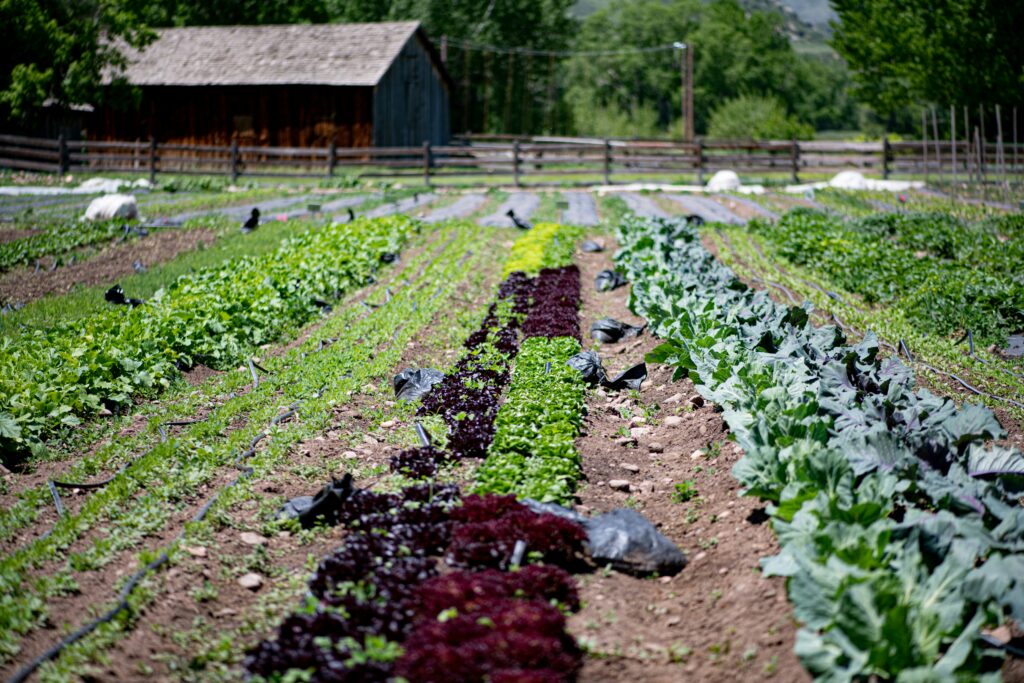
Instead, it focuses on natural processes to maintain soil fertility, plant health, and ecological balance.
Core Principles of Organic Farming
1. Soil Health First
Healthy soil is the foundation of organic agriculture. Farmers use:
- Compost
- Vermicompost
- Farmyard manure (FYM)
- Green manures
- Mulching
These improve soil structure and increase nutrient availability.
2. Natural Pest Management
Instead of chemical pesticides, organic farming relies on:
- Neem oil
- Trichoderma
- Pheromone traps
- Biological predators (ladybugs, spiders)
- Crop rotation
3. Biodiversity
Growing multiple crops improves soil fertility and prevents pest buildup.
4. Eco-friendly Inputs
Only naturally derived fertilizers and pesticides are allowed.
Benefits of Organic Farming
1. Healthier and Chemical-Free Produce
Organic crops are safer for consumers and command higher market value.
2. Improved Soil Fertility
Long-term soil structure and nutrient balance improve significantly.
3. Reduced Input Cost
Chemical fertilizers and pesticides are costly. Organic inputs are cheaper or even farm-made.
4. Premium Market Prices
Organic products can earn 30–50% higher profit margins.
5. Environmental Protection
Less pollution, healthier soil microbes, and better water conservation.
Best Crops for Organic Farming
- Vegetables (tomato, brinjal, cauliflower, carrot)
- Fruits (banana, papaya, guava, pomegranate)
- Cereals (wheat, rice)
- Pulses (moong, masoor, arhar)
- Herbs and spices (turmeric, ginger, coriander, mint)
Steps to Start Organic Farming
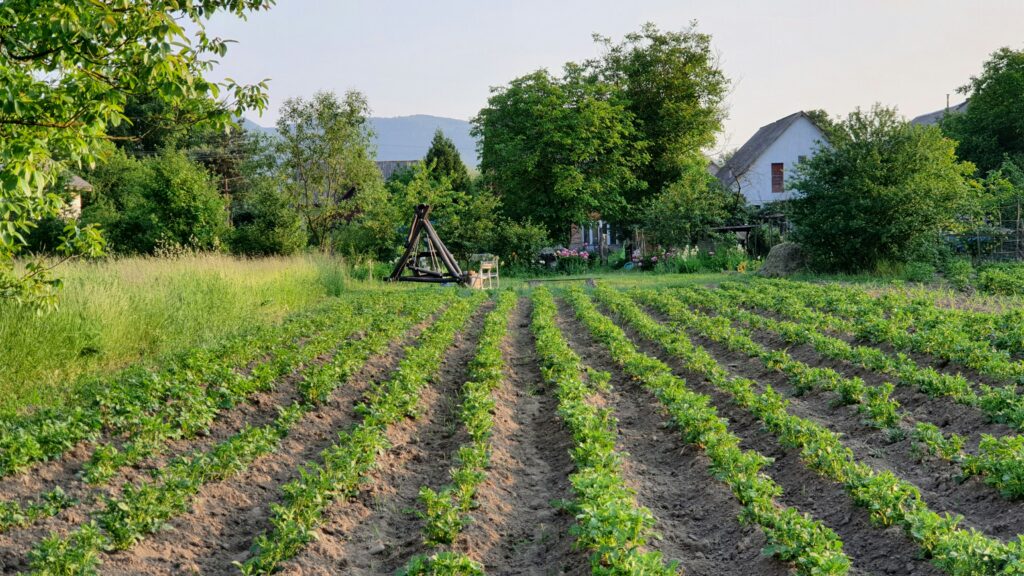
- Test soil health
- Start with small-scale organic trials
- Use certified organic seeds
- Develop natural compost on the farm
- Implement crop rotation and intercropping
- Avoid all chemical inputs
- Apply for organic certification (optional but beneficial)
Conclusion
Organic farming is not only environmentally friendly but also profitable. With rising demand for chemical-free food, farmers can secure a sustainable income while improving soil health for future generations.
🌱 Join our Daily Organic Farming Tips WhatsApp Channel: https://www.whatsapp.com/channel/0029VbBz1Ni5vKAHRbmLNy45