

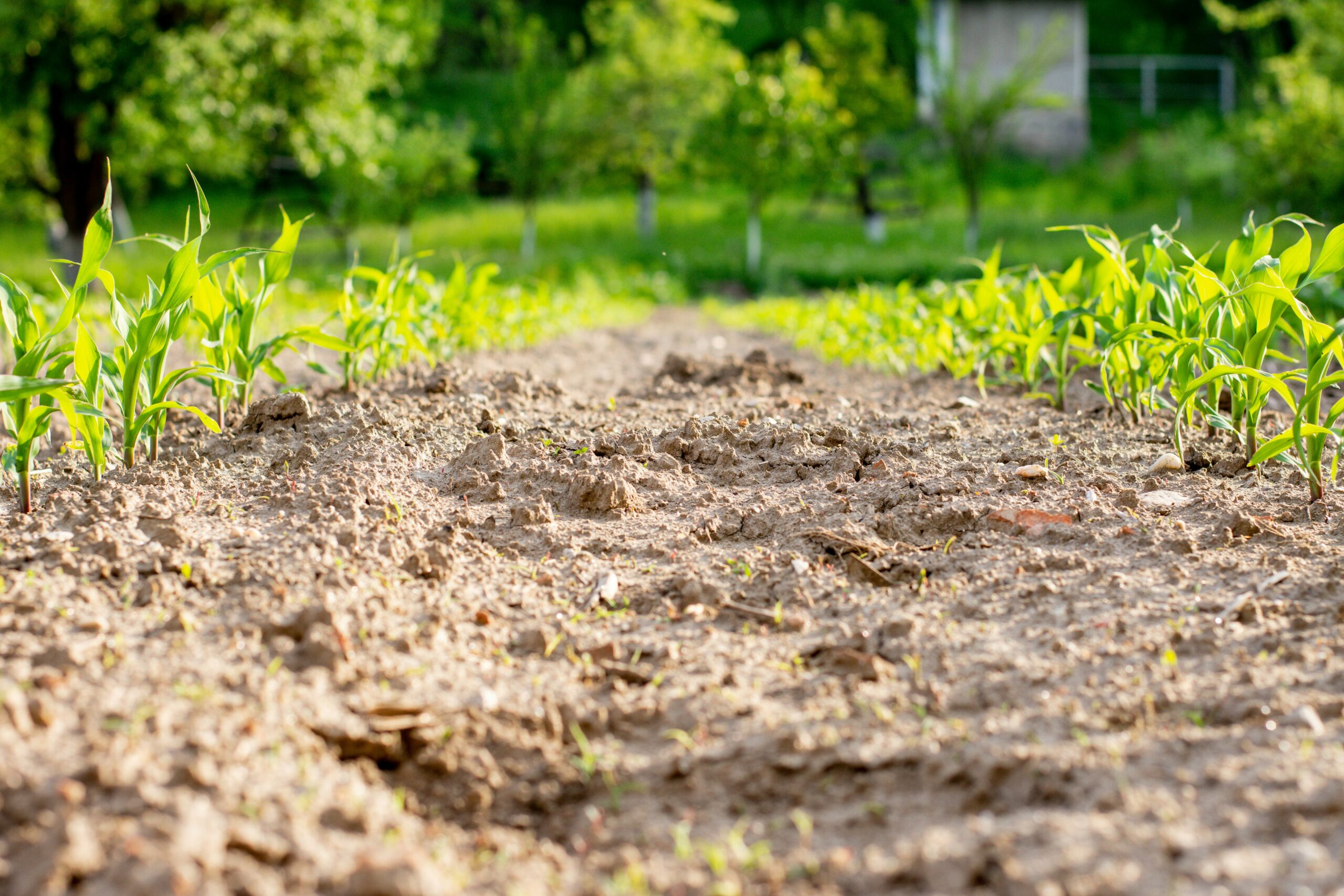
Soil is the foundation of agriculture. Healthy soil ensures strong plant roots, balanced nutrients, higher yields, and long-term farm productivity. However, due to overuse of chemical fertilizers, improper tillage, and continuous monocropping, soil health is declining globally.
This blog explains natural and sustainable ways to revive and maintain soil fertility.
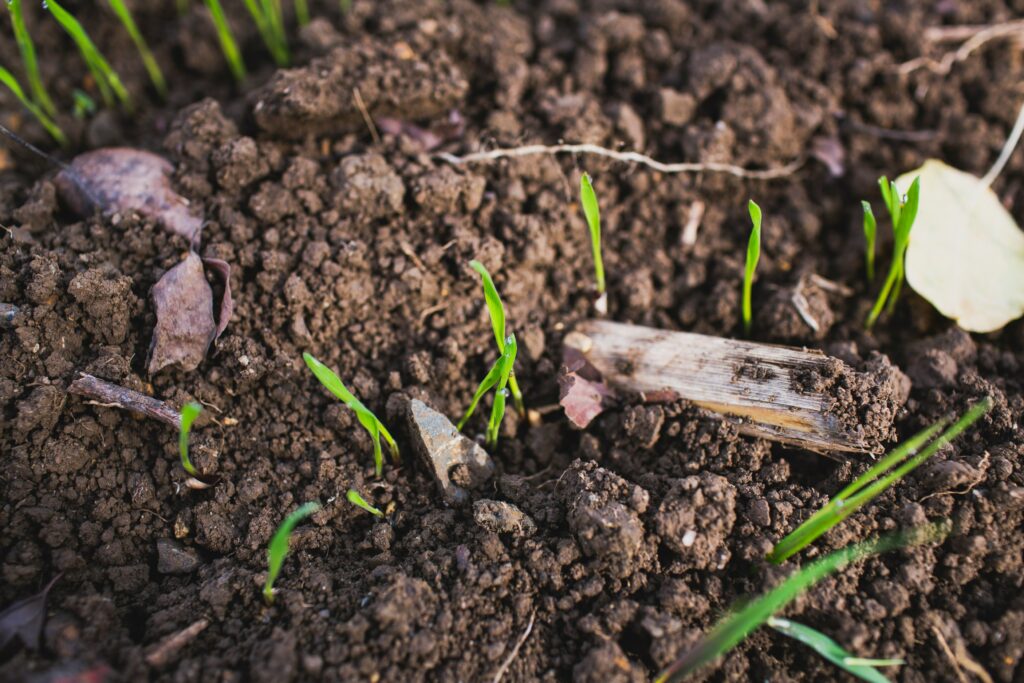
Why Soil Health Matters
Soil is not just dirt — it is a living ecosystem filled with:
- Microorganisms
- Organic matter
- Nutrients
- Water
- Air
Healthy soil improves:
- Water retention
- Root growth
- Nutrient availability
- Crop resistance to diseases
Natural Ways to Improve Soil Fertility
1. Organic Manure Application
Using compost, FYM, and vermicompost increases soil carbon, improves texture, and enriches microbial activity.
2. Green Manure Crops
Leguminous crops like sunhemp, dhaincha, and cowpea naturally fix nitrogen in the soil.
3. Crop Rotation
Rotating cereals, pulses, and vegetables reduces pest cycles and restores nutrient balance.
4. Mulching
Applying straw, leaves, or crop residue:
- Prevents moisture loss
- Controls weeds
- Enhances organic matter
5. Reduced Tillage
Minimal disturbance protects soil structure and earthworm population.
6. Biofertilizers
Rhizobium, Azotobacter, and PSB help in natural nutrient fixation.
Conclusion
Sustainable soil management is essential for long-term agriculture success. By adopting natural methods, farmers can boost fertility, reduce costs, and cultivate healthier crops.
🌱 Join our WhatsApp Channel for Daily Soil & Farming Tips: https://www.whatsapp.com/channel/0029VbBz1Ni5vKAHRbmLNy45