


Climate change is reshaping agriculture across the world. Unpredictable rainfall, rising temperatures, prolonged droughts, floods, and new pest outbreaks are directly affecting crop yields and farmer income. In this challenging environment, climate-resilient crop planning has become essential for sustainable and profitable farming. Instead of relying on traditional cropping patterns, farmers are now adapting their crop choices and farming practices to suit changing climate conditions.
Climate-resilient crop planning begins with understanding local climate risks. Farmers must analyze rainfall patterns, temperature trends, soil type, and water availability in their region. This knowledge helps in selecting crops and varieties that can withstand stress such as drought, heat, or excess moisture. Crops that mature early or require less water are often more suitable in areas experiencing irregular rainfall and water scarcity.
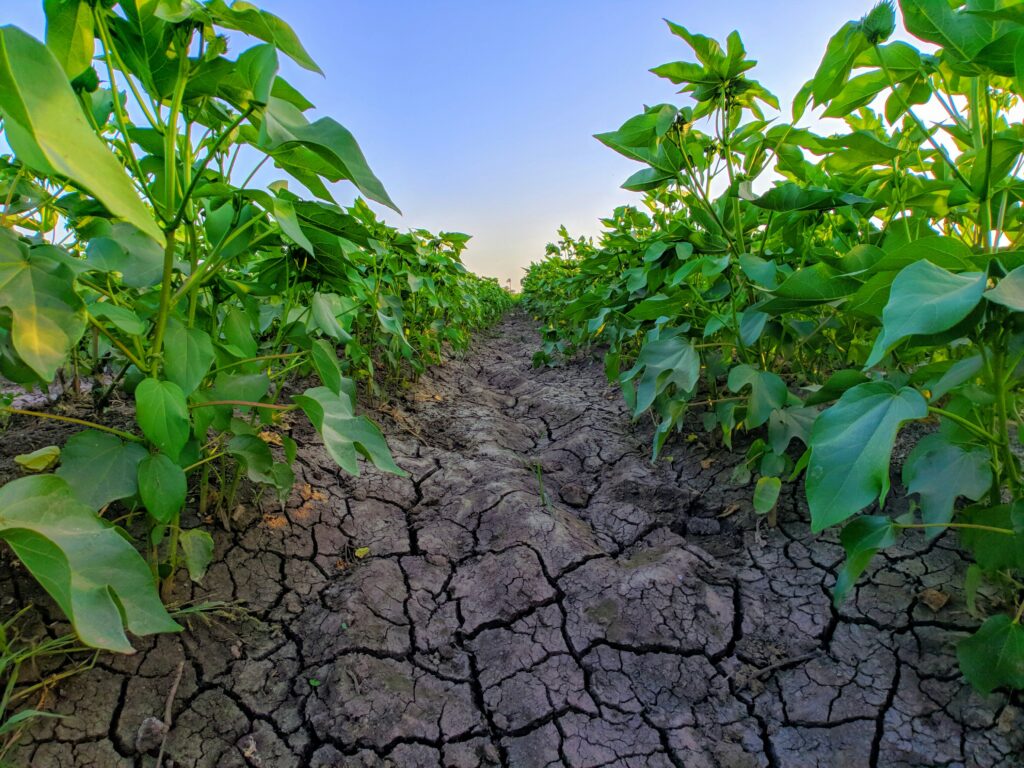
Crop diversification is a key strategy in climate-resilient planning. Growing multiple crops reduces the risk of total crop failure. If one crop is damaged due to drought or pest attack, other crops can still provide income. Including cereals, pulses, oilseeds, vegetables, and fodder crops in a planned rotation improves soil health and ensures year-round farm productivity. Intercropping systems also improve resource use efficiency and reduce pest pressure.
Choosing climate-resilient crop varieties is another important aspect. Agricultural research institutions have developed improved seed varieties that are drought-tolerant, heat-resistant, flood-tolerant, and disease-resistant. These varieties require less water, survive extreme temperatures, and offer more stable yields. Using certified seeds ensures better germination and uniform crop growth under stress conditions.
Efficient water management plays a major role in climate-resilient crop planning. Drip irrigation, sprinkler systems, rainwater harvesting, and farm ponds help farmers manage limited water resources effectively. Mulching with crop residues or organic materials reduces evaporation and maintains soil moisture for longer periods. Proper irrigation scheduling based on crop growth stages prevents both water stress and over-irrigation.
Soil health management is equally important for climate resilience. Healthy soil acts as a natural buffer against climate extremes. Adding organic matter through compost, green manure, and crop residues improves soil structure and water-holding capacity. Reduced tillage protects soil organisms and prevents moisture loss. Crop rotation and cover crops help maintain nutrient balance and reduce erosion.
Integrated pest and disease management supports climate-resilient farming by reducing crop losses under changing weather conditions. Climate change often increases pest populations and disease outbreaks. Monitoring fields regularly, using resistant varieties, encouraging beneficial insects, and applying pesticides only when necessary helps protect crops while maintaining ecological balance.
Technology and climate information services further strengthen climate-resilient crop planning. Weather forecasts, mobile advisory services, satellite data, and digital farming tools help farmers make timely decisions regarding sowing, irrigation, and pest control. Access to real-time information reduces uncertainty and improves farm management efficiency.
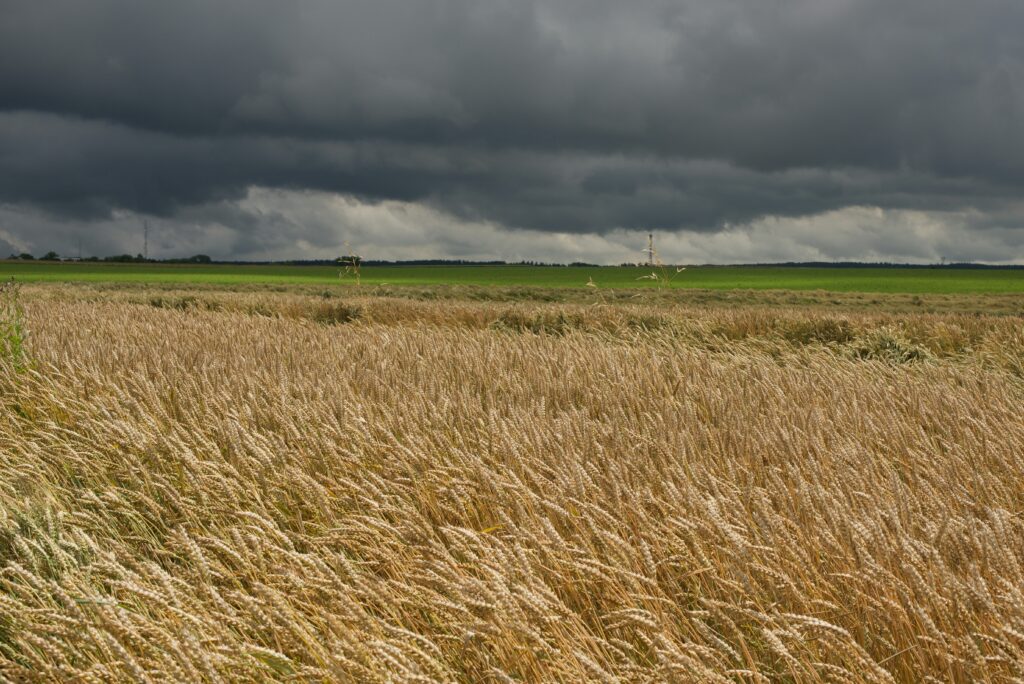
In conclusion, climate-resilient crop planning is no longer optional but essential for the future of agriculture. By selecting suitable crops and varieties, diversifying farming systems, improving water and soil management, and using modern technologies, farmers can protect their livelihoods against climate risks. This approach not only ensures stable yields and income but also contributes to long-term food security and environmental sustainability.
Join our WhatsApp Channel for daily agriculture updates, climate-smart farming tips, and expert guidance: https://www.whatsapp.com/channel/0029VbBz1Ni5vKAHRbmLNy45