

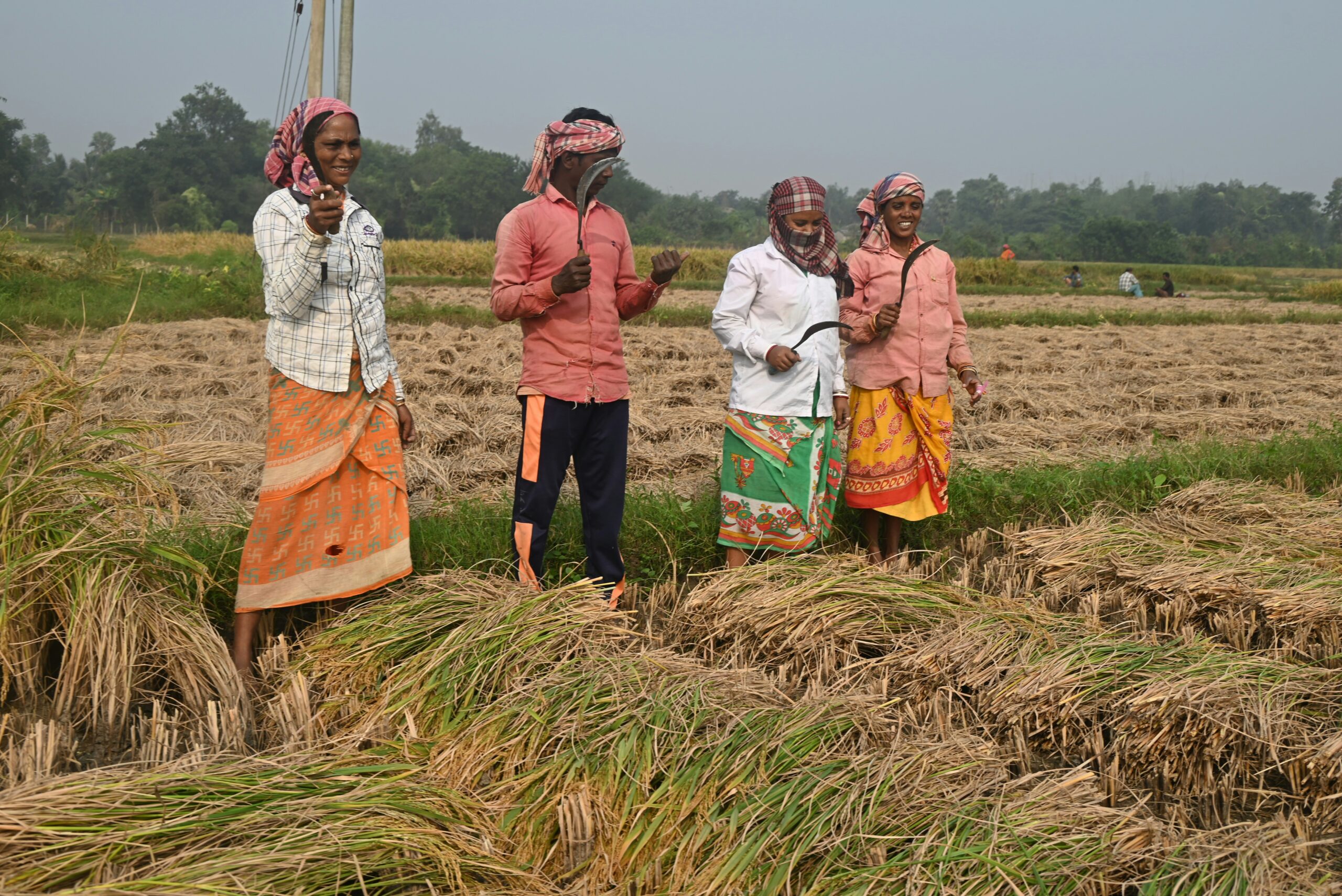
Post-harvest management is one of the most important yet often overlooked aspects of agriculture. A significant portion of agricultural produce is lost after harvesting due to improper handling, storage, transportation, and processing. These losses reduce farmer income, increase food prices, and negatively affect food security. Effective post-harvest management focuses on preserving quality, extending shelf life, and adding value to agricultural produce.
The post-harvest phase begins immediately after harvesting. Proper harvesting at the right stage of maturity is essential to maintain quality. Crops harvested too early may lack flavor and nutritional value, while over-mature crops are more prone to spoilage and damage. Using appropriate harvesting tools and techniques reduces mechanical injury, which is a major cause of post-harvest losses.
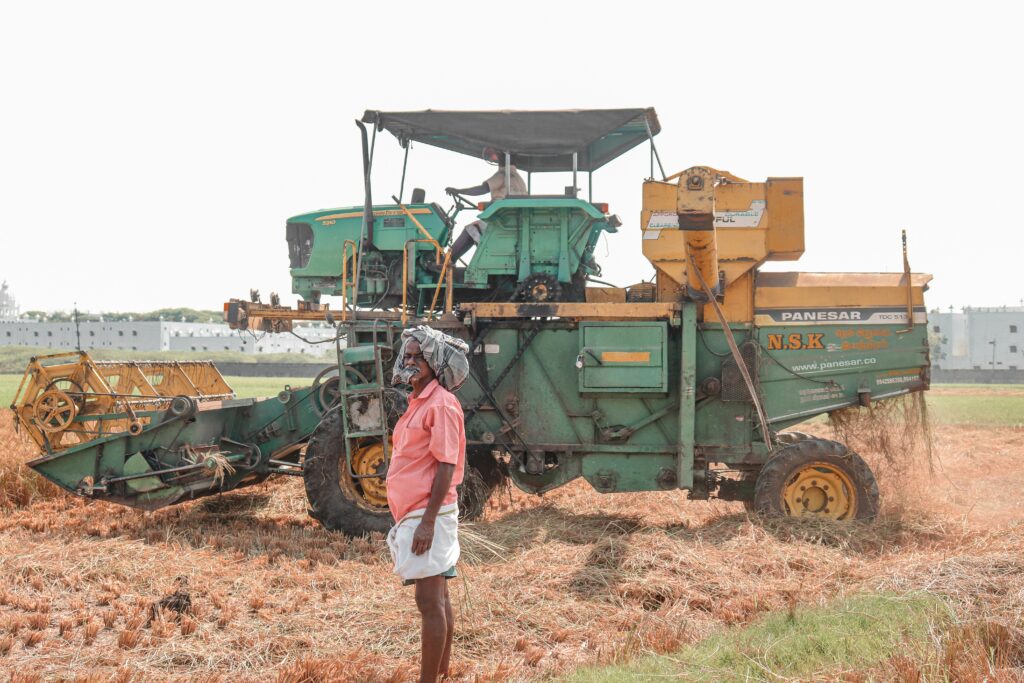
Cleaning and sorting are critical steps in post-harvest handling. Removing damaged, diseased, or immature produce prevents the spread of spoilage during storage and transportation. Grading based on size, weight, and quality improves market value and helps farmers access better prices. Well-graded produce also meets market and export standards more easily.
Proper storage plays a major role in reducing post-harvest losses. Different crops require different storage conditions related to temperature, humidity, and ventilation. Grains must be dried to safe moisture levels before storage to prevent fungal growth and pest infestation. Fruits and vegetables often require cool storage to slow respiration and delay ripening. Cold storage facilities significantly extend shelf life and allow farmers to sell produce when market prices are favorable.
Packaging and transportation are equally important in maintaining product quality. Using appropriate packaging materials protects produce from physical damage, moisture loss, and contamination. Ventilated crates are better than traditional sacks for fruits and vegetables, as they reduce pressure and improve air circulation. Efficient transportation systems with minimal handling help preserve freshness and reduce losses during transit.
Value addition is a powerful way to increase farmer income through post-harvest management. Processing agricultural produce into products such as flour, oil, dried fruits, pickles, juices, and jams extends shelf life and increases market value. Small-scale processing units enable farmers to diversify income and reduce dependence on raw produce markets. Proper packaging and branding further enhance product appeal and profitability.
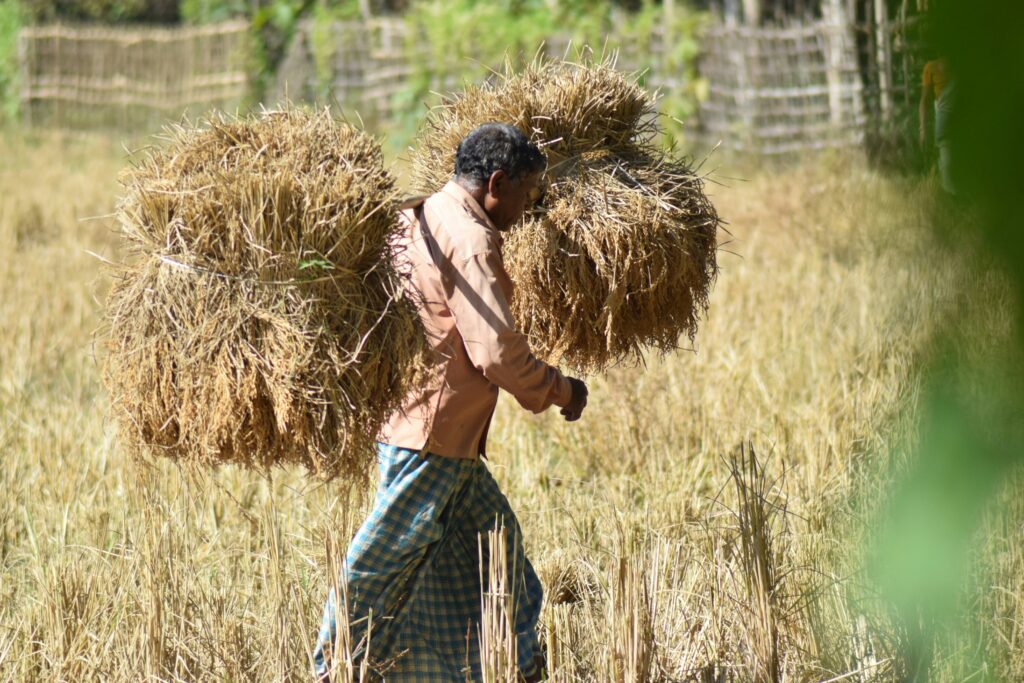
Post-harvest technology and innovation are transforming agricultural supply chains. Improved storage structures, moisture meters, ripening chambers, and cold chain logistics help maintain quality and reduce waste. Digital platforms connect farmers directly with buyers, reducing delays and improving price transparency. Training farmers in post-harvest practices increases awareness and adoption of modern techniques.
In conclusion, post-harvest management is essential for maximizing the value of agricultural production. By improving harvesting practices, storage, transportation, and processing, farmers can significantly reduce losses and increase income. Investment in post-harvest infrastructure and knowledge not only benefits farmers but also strengthens food security and agricultural sustainability.
Join our WhatsApp Channel for daily agriculture updates, post-harvest tips, and expert farming guidance: https://whatsapp.com/channel/0029VbBz1Ni5vKAHRbmLNy45