

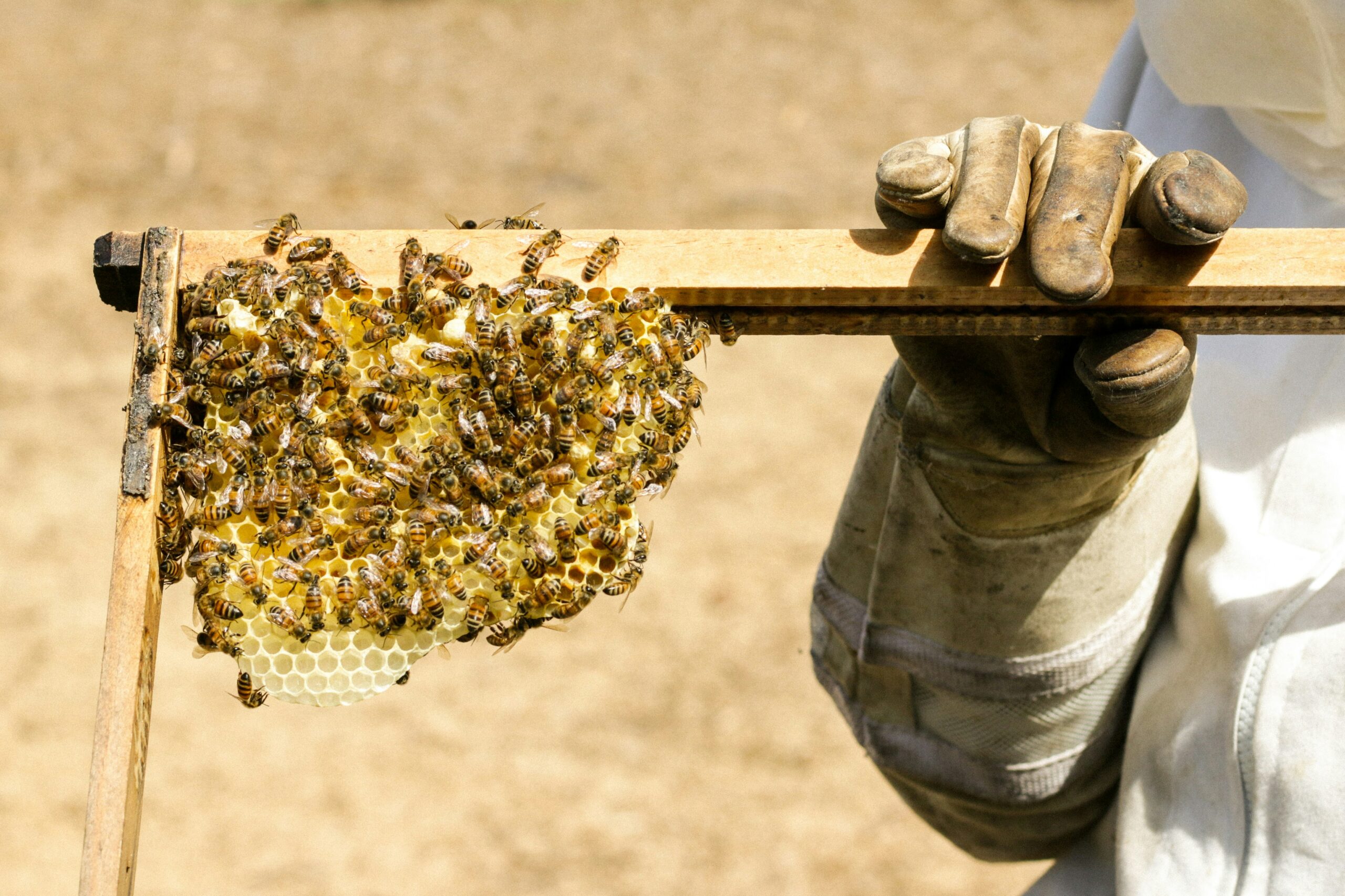
Beekeeping is an important agricultural activity that supports both crop production and rural livelihoods. Bees play a vital role in pollinating crops, improving yield and quality, while beekeeping provides farmers with valuable products such as honey, beeswax, pollen, and propolis. Sustainable beekeeping focuses on maintaining healthy bee colonies, protecting the environment, and ensuring long-term income for farmers.
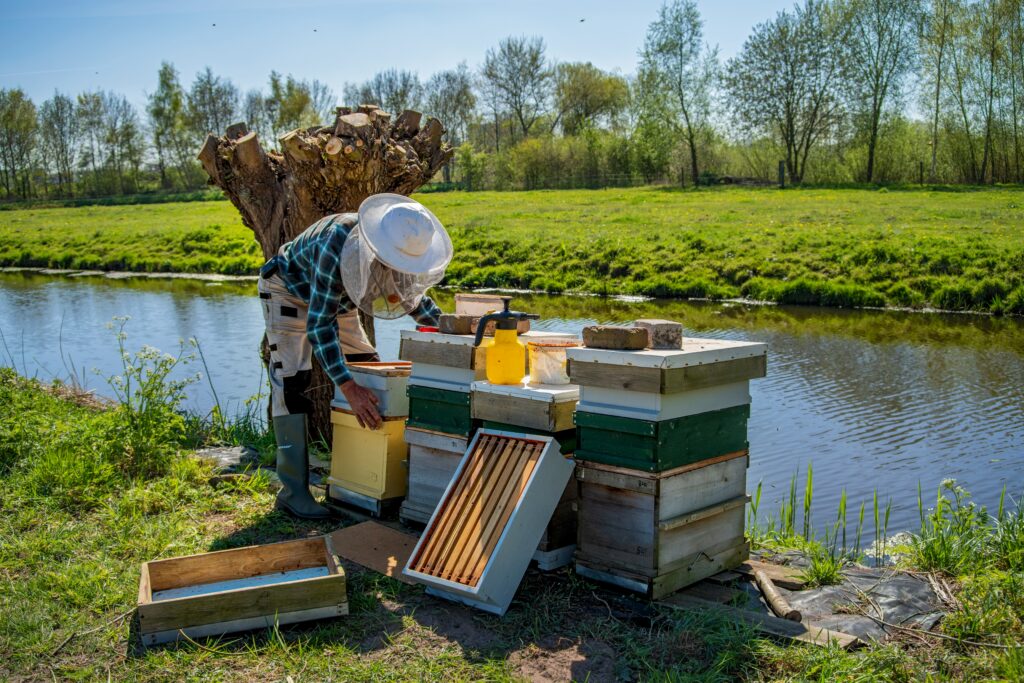
The success of beekeeping begins with proper site selection. Apiaries should be located in areas with abundant flowering plants, clean water sources, and minimal exposure to pesticides. Diverse floral resources ensure a steady supply of nectar and pollen throughout the year, which supports strong colony development and consistent honey production.
Colony management is a key aspect of sustainable beekeeping. Regular inspection of hives helps monitor colony strength, queen health, and brood development. Timely replacement of old or weak queens improves productivity and colony survival. Maintaining proper hive spacing and ventilation prevents overcrowding and reduces disease risk.
Nutrition management is essential, especially during periods of low floral availability. Supplemental feeding with sugar syrup or pollen substitutes supports colony health and prevents starvation. However, natural forage should remain the primary food source to maintain strong immunity and high-quality honey production.
Disease and pest control are major challenges in beekeeping. Sustainable practices focus on prevention through good hygiene, regular monitoring, and use of resistant bee strains. Integrated pest management strategies help control mites and diseases without harming bees or contaminating hive products. Avoiding unnecessary chemical treatments protects both bees and the environment.
Beekeeping contributes significantly to sustainable agriculture through pollination services. Crops such as fruits, vegetables, oilseeds, and nuts show improved yield, size, and quality when adequately pollinated by bees. Integrating beekeeping with crop farming enhances overall farm productivity and ecosystem balance.

Beekeeping also offers economic benefits beyond honey production. Beeswax, propolis, royal jelly, and pollen have growing demand in food, cosmetic, and pharmaceutical industries. Value addition through proper processing, packaging, and branding increases income potential and market access.
In conclusion, sustainable beekeeping is a valuable farming enterprise that supports crop production, biodiversity, and rural income. By focusing on colony health, environmental protection, and responsible management, farmers can build profitable beekeeping systems that benefit both agriculture and nature.
Join our WhatsApp Channel for daily beekeeping tips, honey production guidance, and expert agriculture advice: https://www.whatsapp.com/channel/0029VbBz1Ni5vKAHRbmLNy45