

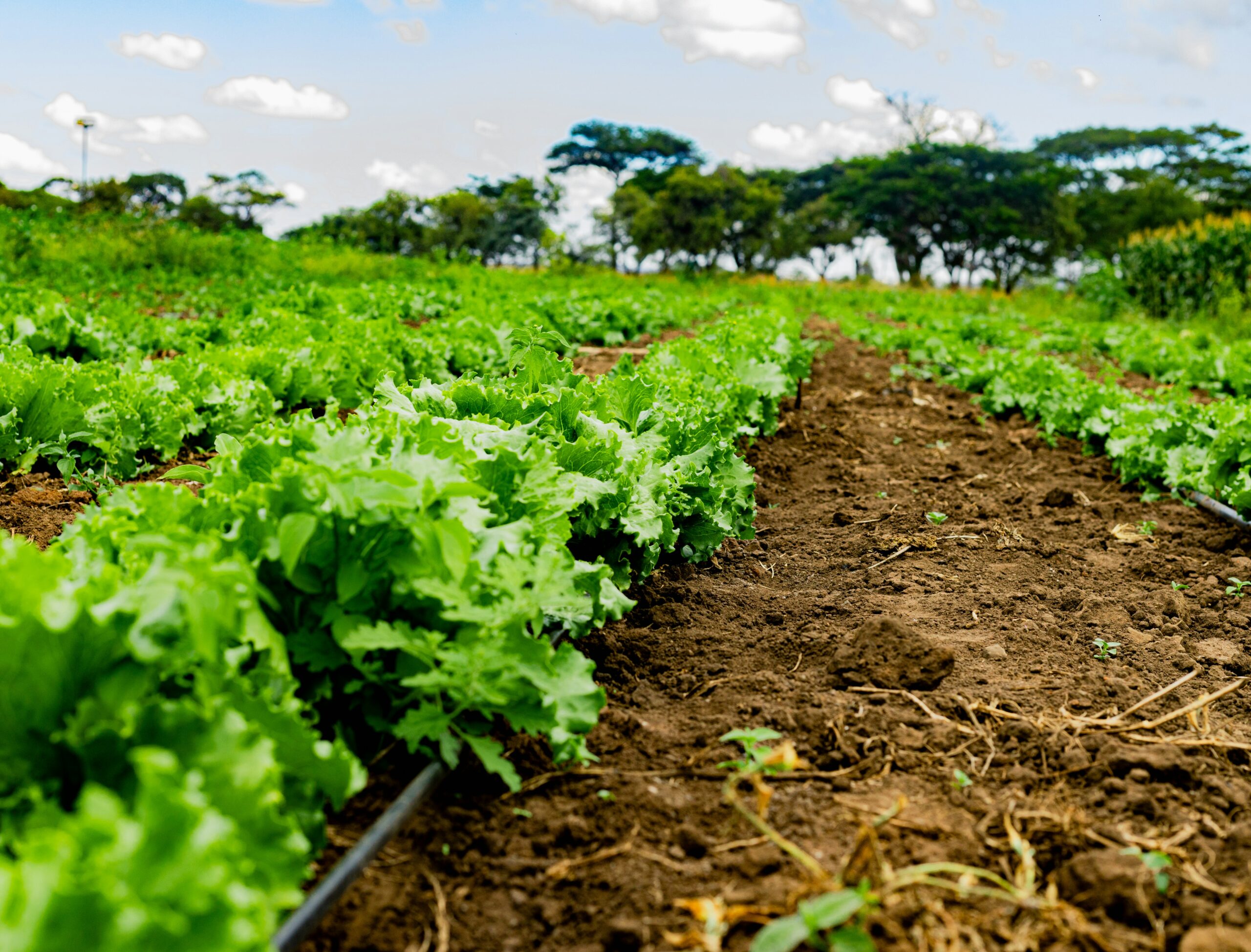
Organic farming is a production system that works in harmony with nature to produce safe, nutritious, and environmentally friendly food. It avoids the use of synthetic fertilizers, pesticides, and genetically modified organisms, focusing instead on natural inputs and ecological balance. Sustainable organic farming improves soil health, protects biodiversity, and provides farmers with long-term economic stability.
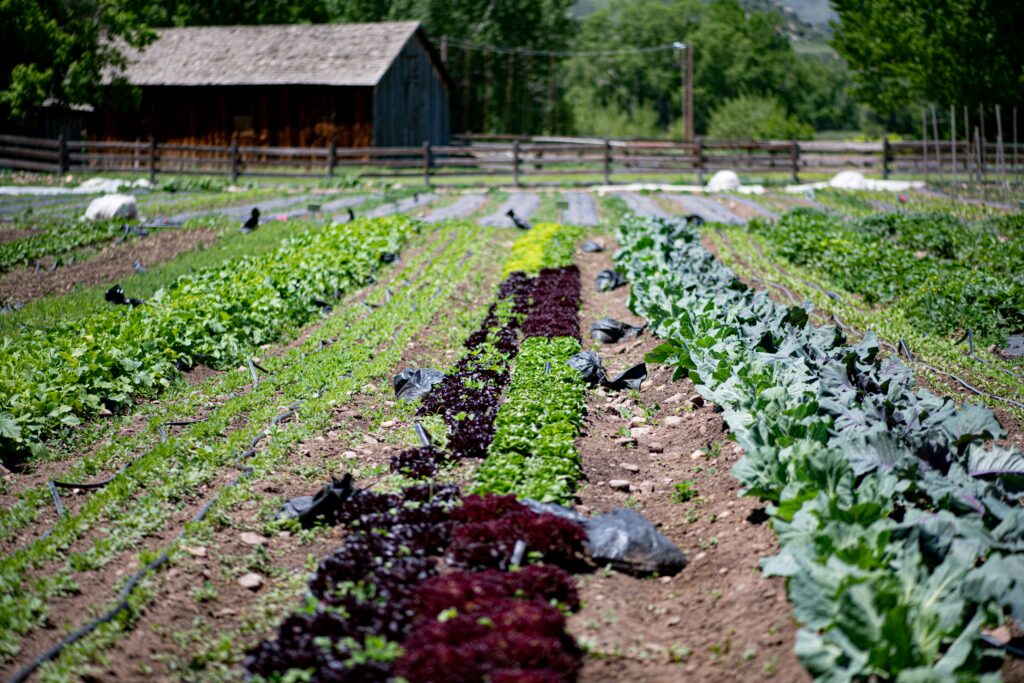
Soil health management is the backbone of organic farming. Regular addition of organic matter through compost, farmyard manure, green manure, and crop residues improves soil structure and fertility. Healthy soils support beneficial microorganisms that release nutrients slowly and enhance plant growth. Maintaining good soil organic carbon levels also improves water retention and reduces erosion.
Crop diversity and rotation are essential practices in organic systems. Growing different crops in sequence helps maintain nutrient balance and breaks pest and disease cycles. Including legumes in rotations naturally increases soil nitrogen levels. Intercropping and mixed cropping further improve resource use efficiency and reduce the risk of total crop failure.
Nutrient management in organic farming relies on natural sources. Compost, vermicompost, oil cakes, and biofertilizers supply essential nutrients in a balanced form. Foliar sprays prepared from plant extracts and organic solutions help correct nutrient deficiencies and improve crop vigor. Proper timing and application ensure effective nutrient availability.
Pest and disease management in organic farming focuses on prevention rather than control. Healthy plants grown in balanced soils are more resistant to pests. Cultural practices such as proper spacing, timely sowing, and sanitation reduce pest pressure. Biological control agents, botanical pesticides, and pheromone traps manage pests without harming beneficial organisms.
Weed management requires an integrated approach in organic farming. Mulching, crop rotation, manual weeding, and mechanical tools help suppress weeds effectively. Cover crops reduce weed emergence while improving soil health. Over time, improved soil structure and crop competition reduce weed problems.
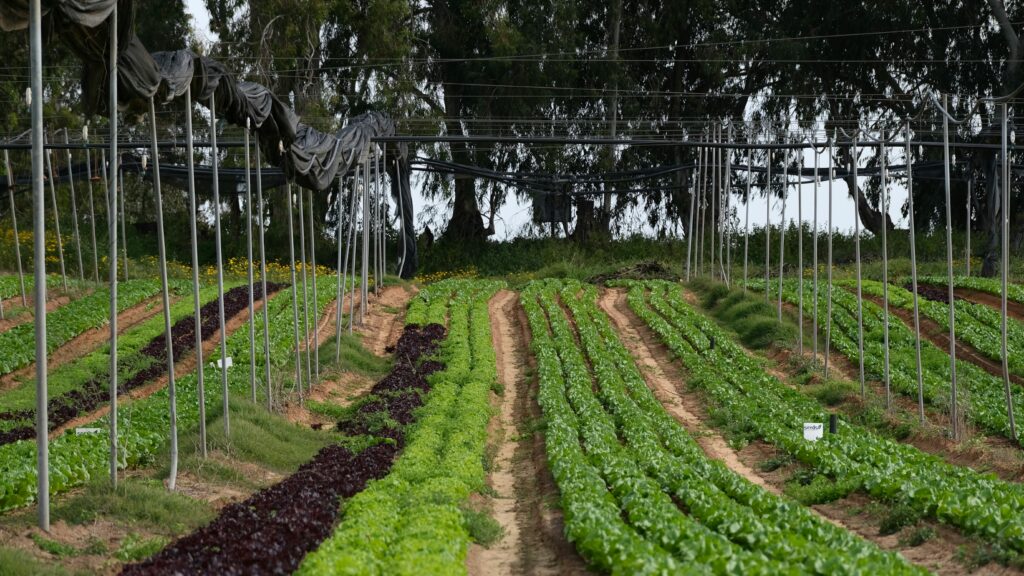
Organic farming also supports environmental sustainability. It reduces chemical runoff, protects water quality, and promotes biodiversity. Pollinators, natural enemies, and soil organisms thrive in organic systems, contributing to resilient agro-ecosystems.
In conclusion, sustainable organic farming produces healthy food while conserving natural resources and improving farmer livelihoods. By focusing on soil health, crop diversity, natural nutrient sources, and preventive pest management, farmers can build productive and resilient organic farms. Organic farming is not only a method of cultivation but a long-term investment in environmental and human health.
Join our WhatsApp Channel for daily organic farming tips, natural crop care guidance, and expert agriculture advice: https://www.whatsapp.com/channel/0029VbBz1Ni5vKAHRbmLNy45