

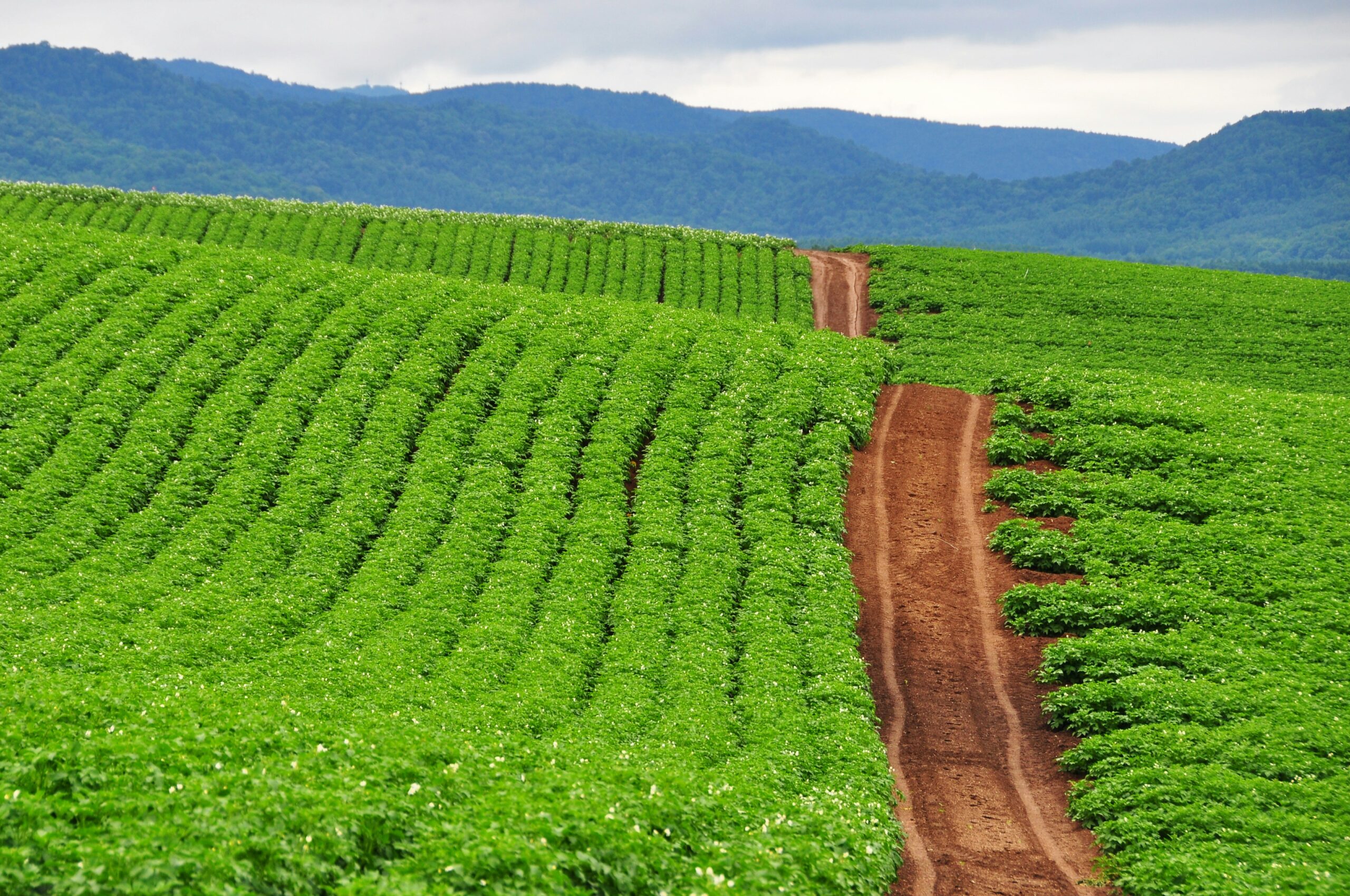
Precision farming is a modern agricultural approach that uses technology and data to manage crops more accurately and efficiently. Instead of applying inputs uniformly across the field, precision farming focuses on site-specific management based on soil variability, crop condition, and environmental factors. Sustainable precision farming helps farmers reduce costs, increase yields, and minimize environmental impact.
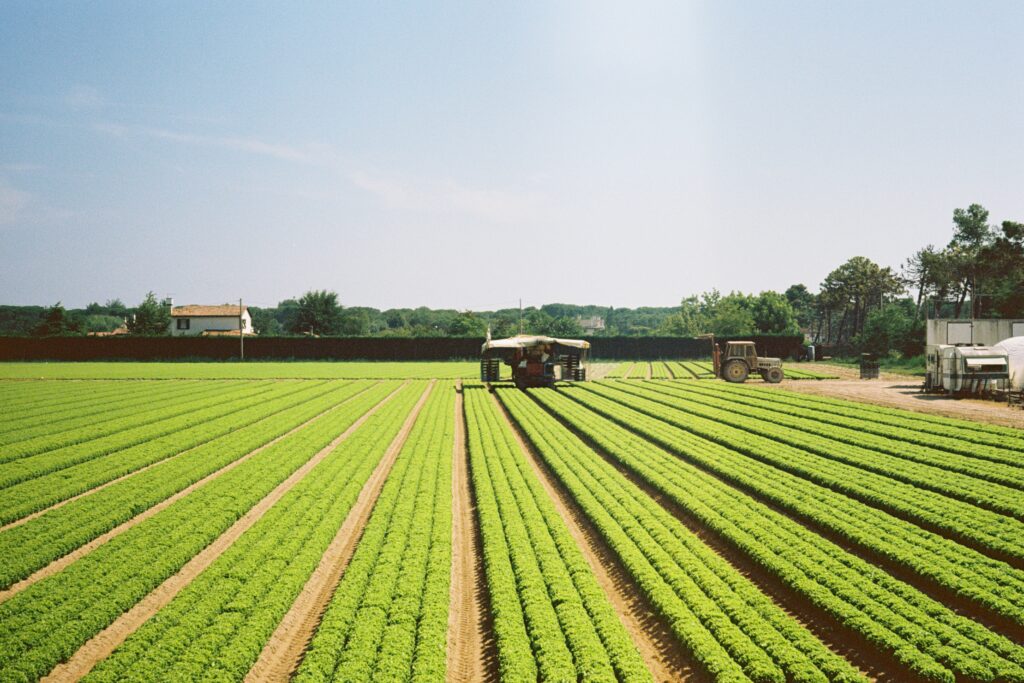
Field data collection is the foundation of precision farming. Soil sampling, yield mapping, and crop monitoring provide valuable information about field variability. Understanding differences in soil fertility, moisture levels, and crop growth allows farmers to make informed decisions and apply inputs only where needed.
Soil and nutrient management benefit greatly from precision techniques. Variable rate fertilizer application ensures that each part of the field receives the correct amount of nutrients. This improves nutrient-use efficiency, reduces fertilizer wastage, and prevents nutrient runoff. Precision nutrient management also supports balanced crop growth and higher yields.
Water management is another key area of precision farming. Soil moisture sensors and weather-based irrigation scheduling help optimize water use. Applying water based on actual crop demand prevents over-irrigation and water stress. Efficient irrigation management saves water, energy, and labor.
Crop monitoring technologies such as drones, satellite imagery, and remote sensing help detect crop stress early. Changes in color, growth patterns, or canopy cover indicate nutrient deficiencies, pest attacks, or water issues. Early detection allows timely corrective actions and reduces yield losses.
Precision farming also supports effective pest and disease management. Targeted spraying based on pest presence minimizes chemical use and protects beneficial organisms. This approach reduces input costs and improves environmental safety while maintaining crop health.
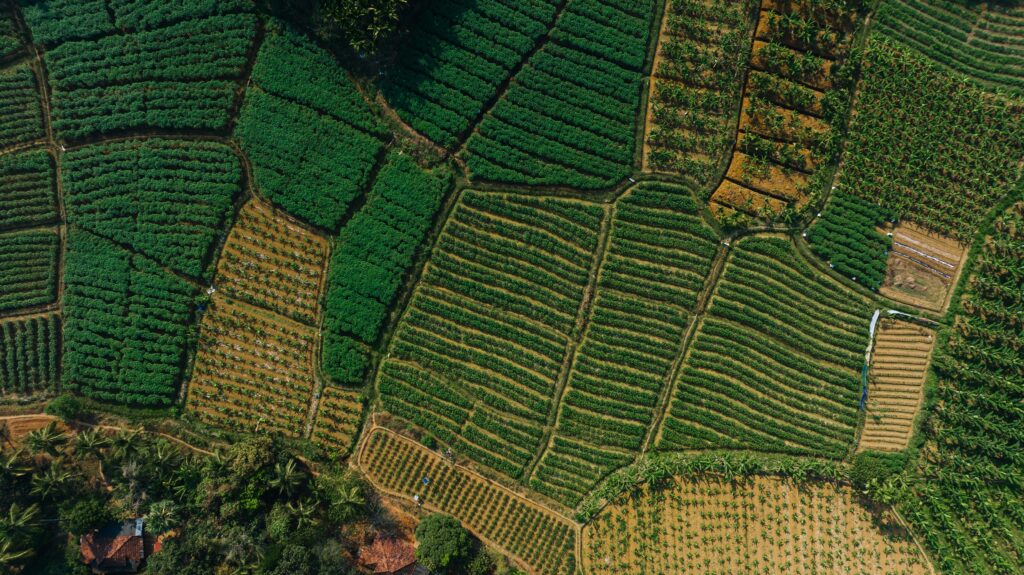
Farm machinery and automation play an important role in precision agriculture. GPS-guided equipment improves planting accuracy, reduces overlap, and saves fuel. Automated systems increase operational efficiency and reduce labor dependency, especially on large farms.
In conclusion, sustainable precision farming combines technology, data, and smart management to improve agricultural productivity and resource efficiency. By adopting precision techniques for soil, water, nutrient, and pest management, farmers can achieve higher yields, lower costs, and environmentally responsible farming systems.
Join our WhatsApp Channel for daily precision farming tips, agri-technology updates, and expert agriculture advice: https://www.whatsapp.com/channel/0029VbBz1Ni5vKAHRbmLNy45