

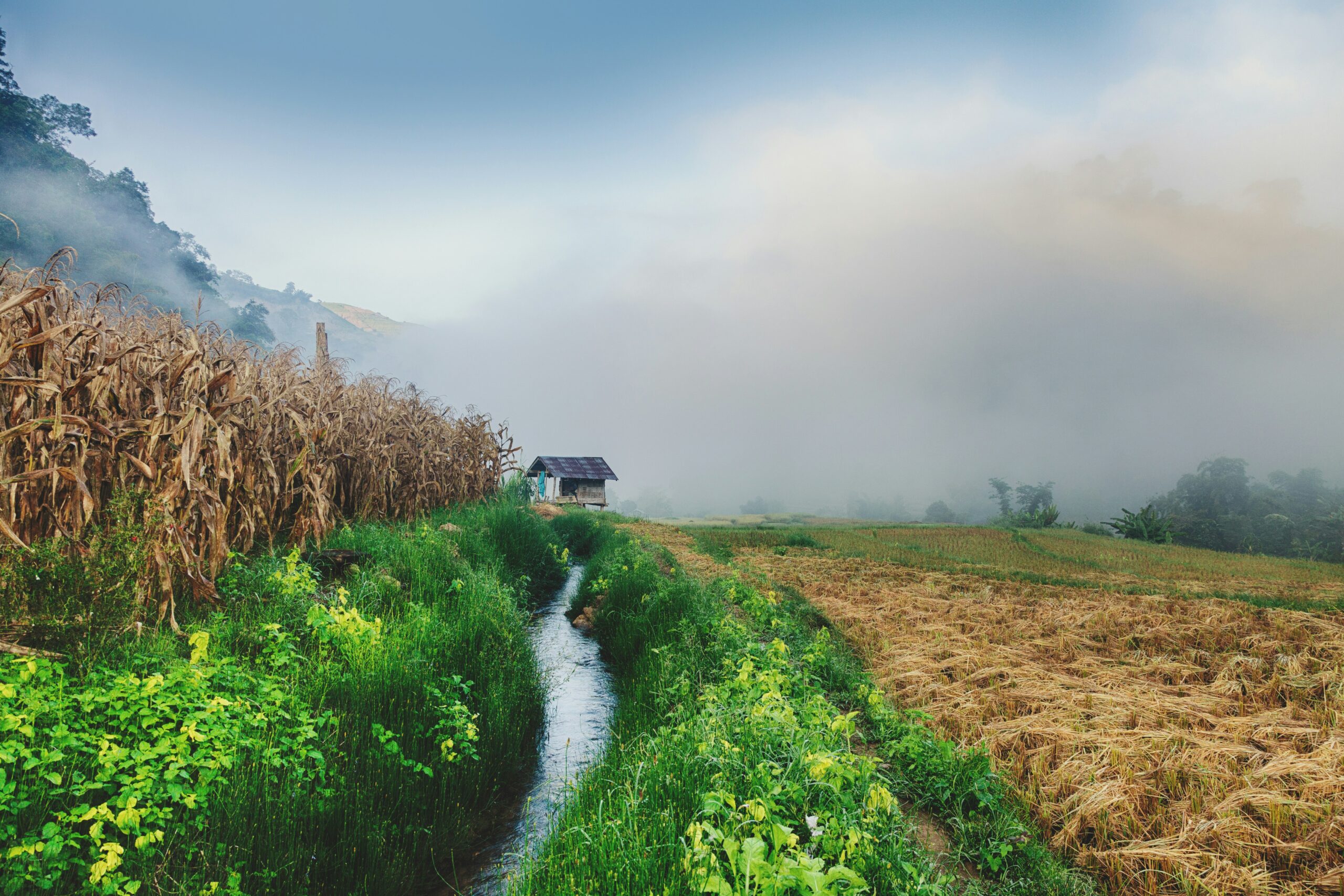
Digital agriculture is transforming traditional farming by integrating digital tools, data, and smart technologies into agricultural practices. From planning and production to marketing and risk management, digital solutions help farmers make informed decisions and improve efficiency. Sustainable digital agriculture focuses on using technology in a cost-effective and environmentally responsible way to increase productivity and farm profitability.

Data collection is the backbone of digital agriculture. Information from soil tests, weather stations, crop sensors, and farm records provides valuable insights into field conditions. Analyzing this data helps farmers understand crop performance, soil fertility, and resource use patterns. Accurate data supports better planning and reduces uncertainty in farm operations.
Weather-based advisory systems play a key role in digital farming. Mobile alerts and digital platforms provide timely information on rainfall, temperature, and extreme weather events. These advisories help farmers plan sowing, irrigation, fertilization, and harvesting at the right time, reducing losses and improving yields.
Digital tools also support efficient input management. Mobile applications and farm management software help track fertilizer, water, and pesticide use. This improves input-use efficiency and reduces wastage. Precision application supported by digital mapping lowers production costs and minimizes environmental impact.
Market access has improved significantly through digital agriculture. Online platforms connect farmers directly with buyers, processors, and retailers. Real-time price information helps farmers choose the best time and place to sell their produce. Digital marketing and traceability systems increase transparency and consumer trust.
Risk management is another major benefit of digital agriculture. Crop insurance platforms, satellite monitoring, and early warning systems help farmers manage risks related to weather, pests, and diseases. Digital records simplify claim processes and improve financial security.
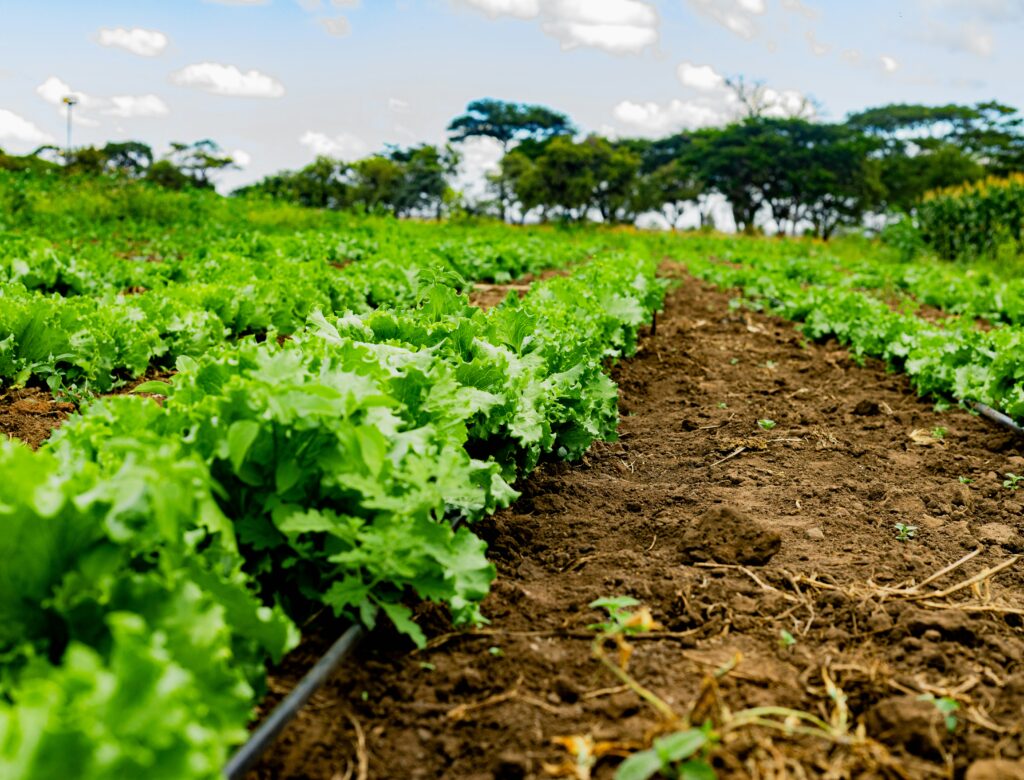
Digital agriculture also supports sustainability and climate resilience. Smart irrigation systems, remote sensing, and decision-support tools optimize resource use and reduce emissions. Technology-driven farming systems help farmers adapt to changing climate conditions.
In conclusion, sustainable digital agriculture empowers farmers with information and tools for smarter decision making. By adopting digital solutions for weather advisories, input management, market access, and risk reduction, farmers can improve productivity, reduce costs, and build resilient farming systems for the future.
Join our WhatsApp Channel for daily digital farming tips, agri-tech updates, and expert agriculture advice: https://www.whatsapp.com/channel/0029VbBz1Ni5vKAHRbmLNy45