

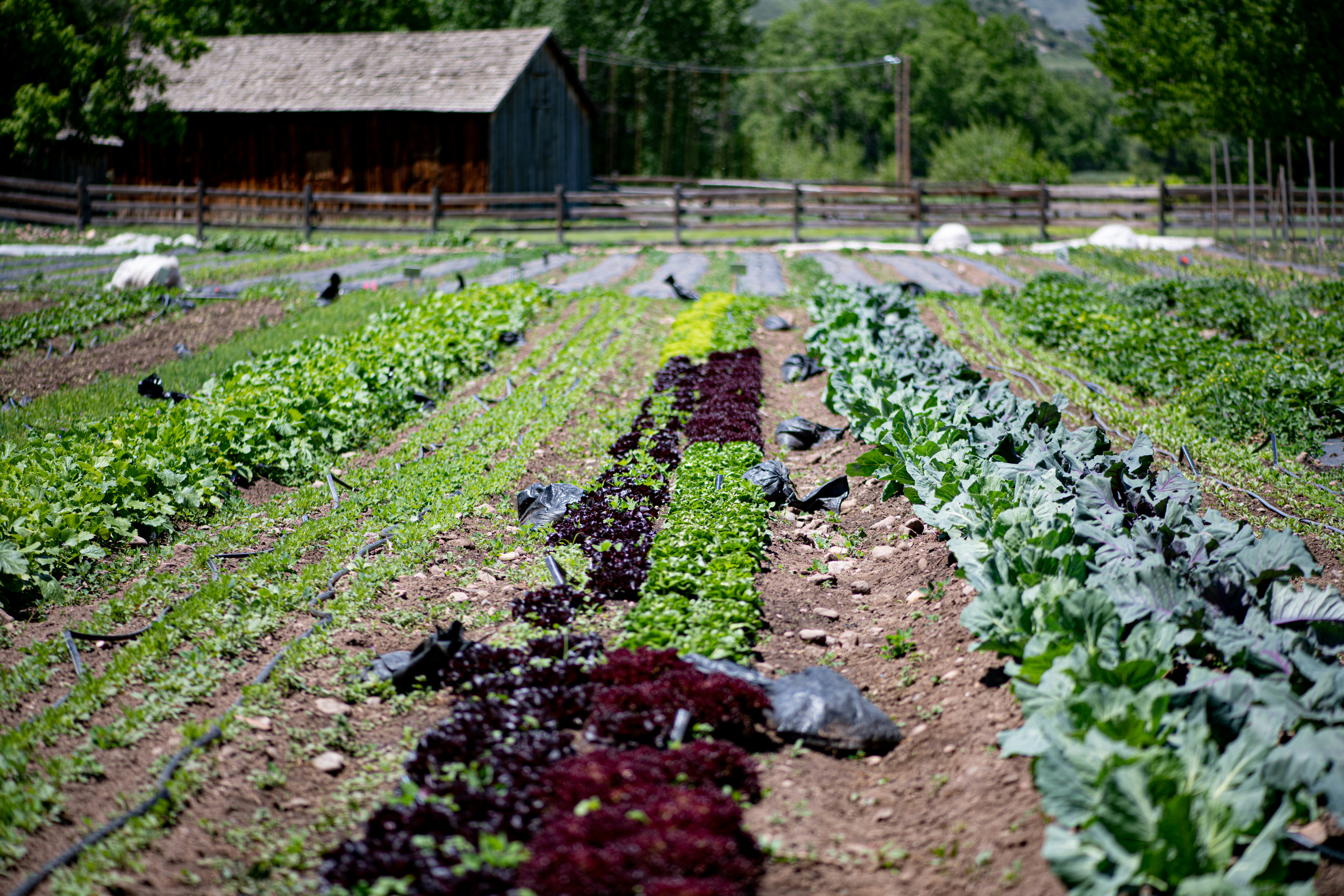
Urban agriculture is becoming increasingly important as cities grow and food systems face pressure from population increase, supply chain disruptions, and environmental challenges. Sustainable urban agriculture focuses on producing fresh, safe, and nutritious food within or around cities using efficient and environmentally responsible methods. It supports local food security, creates green spaces, and strengthens community wellbeing.
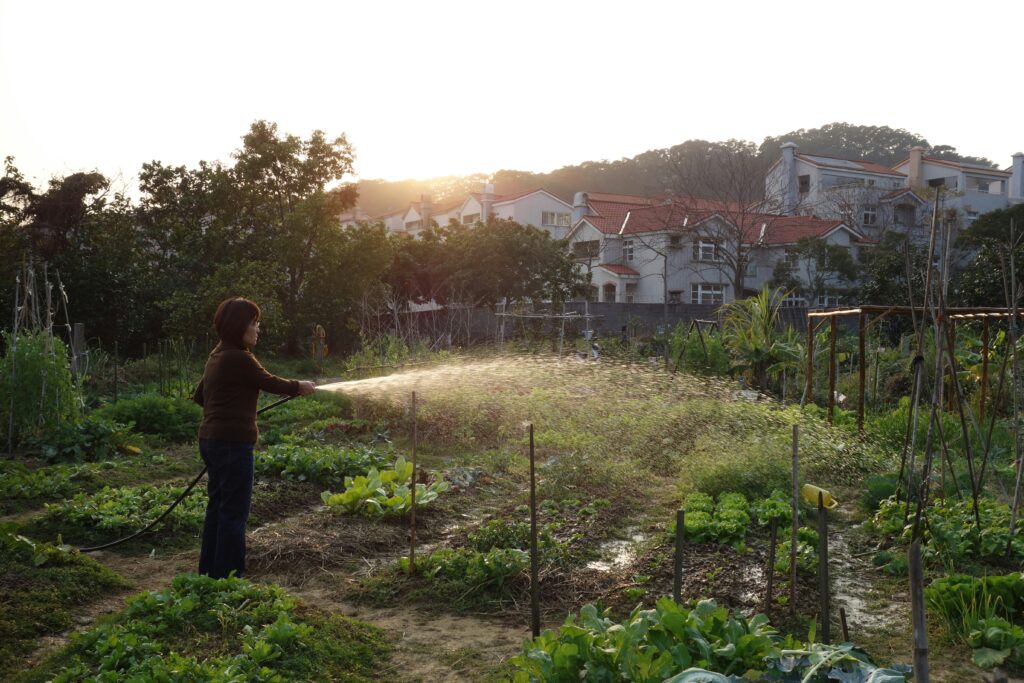
Urban agriculture takes many forms, including rooftop gardens, home gardens, community gardens, balcony farming, and small-scale commercial production. These systems make use of available spaces that are often underutilized. By growing food close to consumers, urban agriculture reduces transportation needs, post-harvest losses, and carbon emissions.
Soil and growing media management are critical in urban settings. Clean, safe, and fertile soil or soilless media are essential to avoid contamination. Composting kitchen waste and garden residues provides a sustainable source of organic matter and nutrients. Proper nutrient management ensures healthy plant growth and safe food production.
Water management is a key aspect of sustainable urban farming. Efficient irrigation methods such as drip systems, self-watering containers, and rainwater harvesting reduce water wastage. Reusing treated household water for irrigation further supports water conservation when done safely.
Crop selection in urban agriculture focuses on high-value and fast-growing crops. Leafy vegetables, herbs, tomatoes, peppers, and microgreens perform well in small spaces and provide quick harvests. Staggered planting ensures continuous supply of fresh produce throughout the season.
Pest and disease management in urban farms emphasizes safe and non-chemical methods. Physical barriers, good sanitation, crop rotation, and biological controls reduce pest pressure. Avoiding harmful chemicals ensures food safety and protects urban ecosystems.
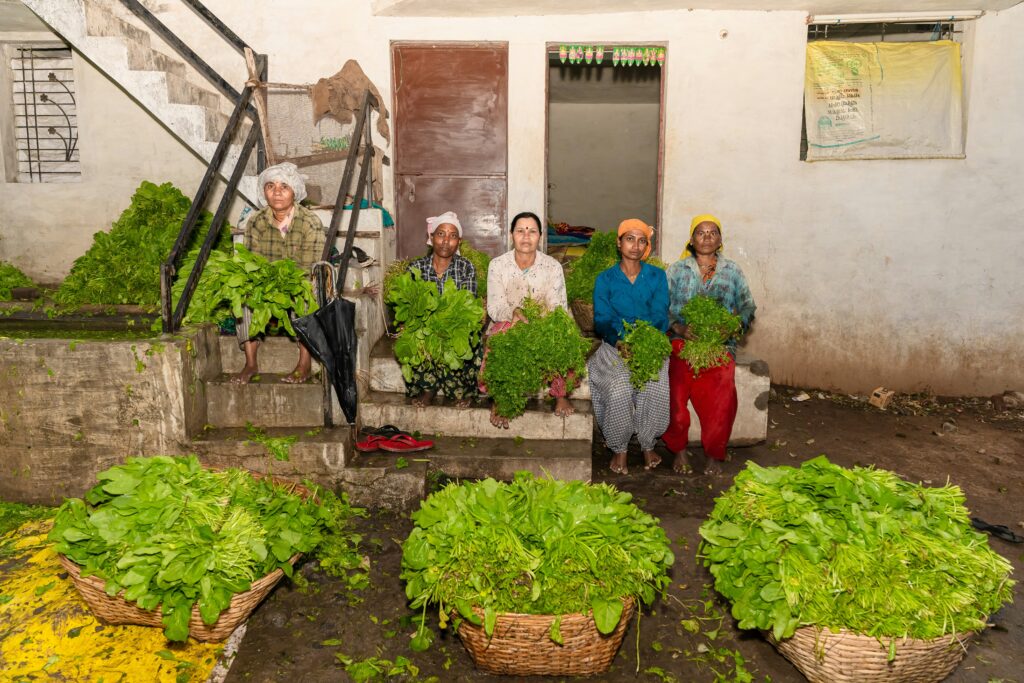
Urban agriculture also delivers social and economic benefits. Community gardens bring people together, improve mental wellbeing, and promote healthy eating habits. Small urban farming businesses create employment and entrepreneurial opportunities, especially for youth and women.
In conclusion, sustainable urban agriculture contributes to resilient food systems and healthier cities. By efficiently using space, water, and organic resources, urban farming provides fresh food, environmental benefits, and stronger communities. Urban agriculture represents a practical step toward sustainable and inclusive food production.
Join our WhatsApp Channel for daily urban farming tips, home gardening guidance, and expert agriculture advice: https://www.whatsapp.com/channel/0029VbBz1Ni5vKAHRbmLNy45
Chat