

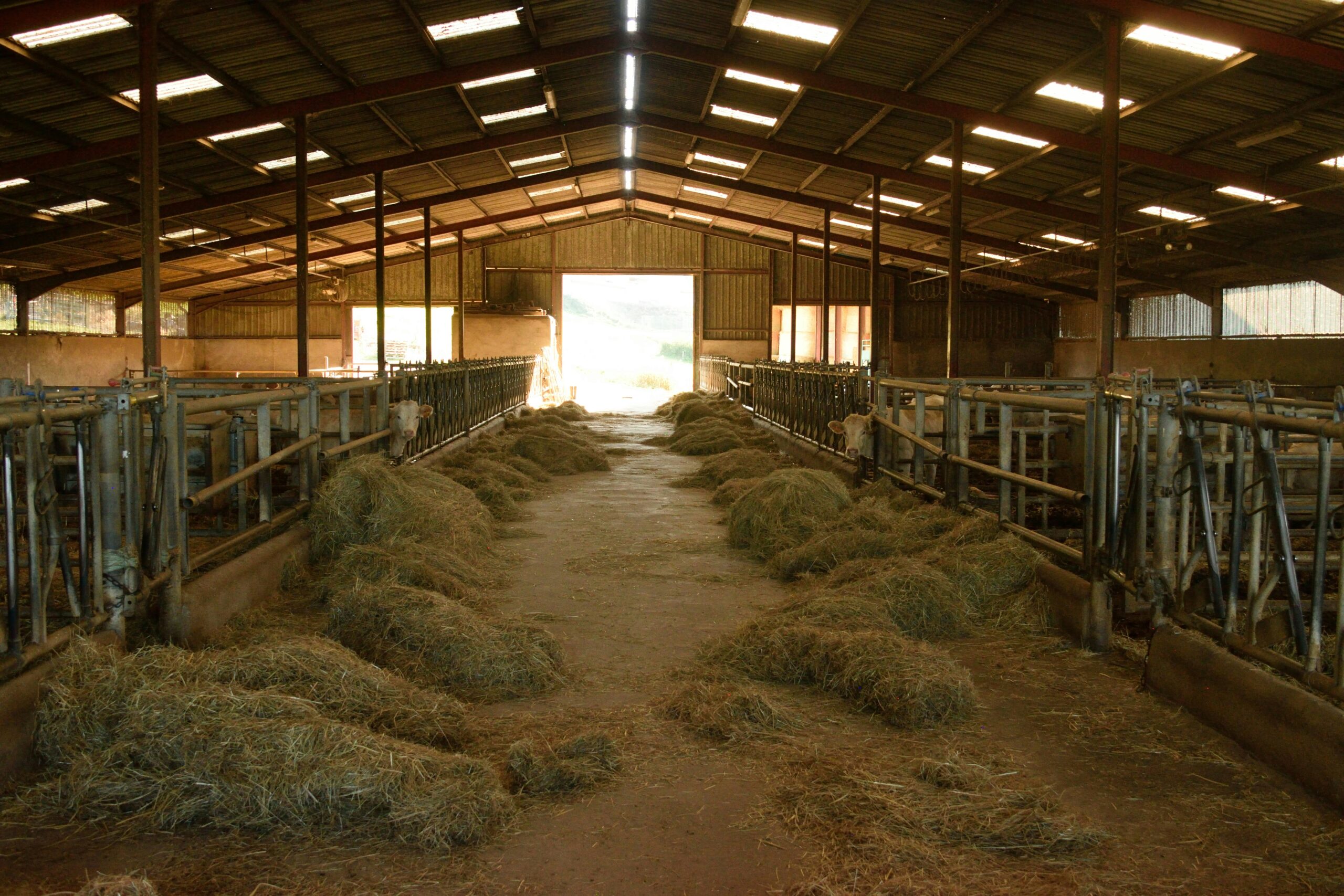
Livestock feed management plays a vital role in the success of animal farming. Feed accounts for a major portion of production costs and directly influences animal health, growth, and productivity. Sustainable livestock feed management focuses on using locally available resources, improving feed efficiency, and reducing waste while maintaining balanced nutrition for animals.
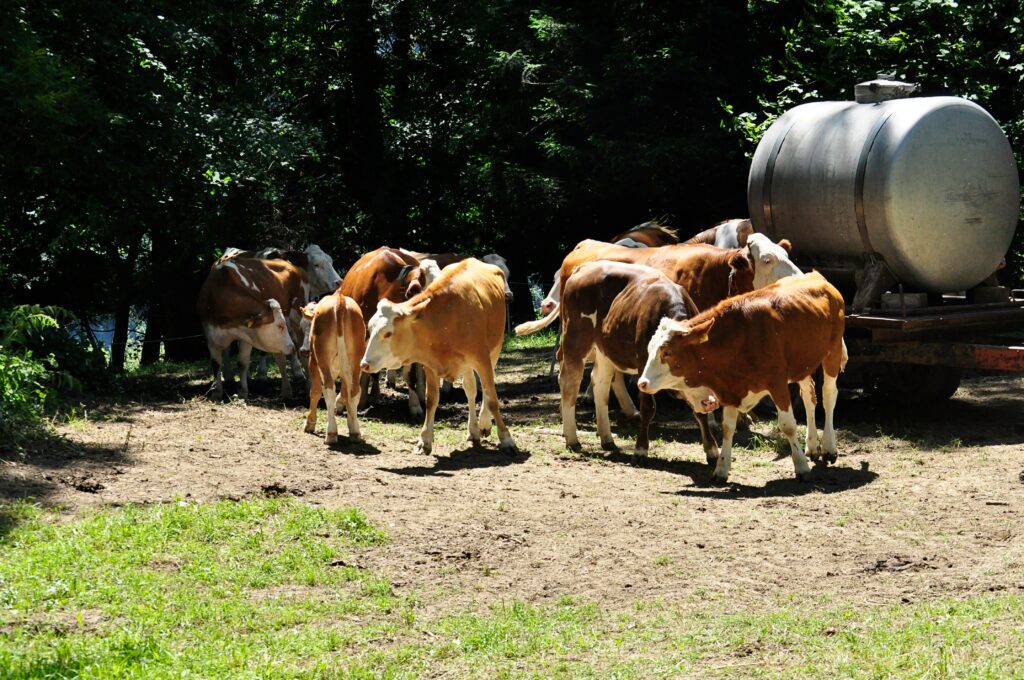
Balanced nutrition is the foundation of sustainable feed management. Animals require the right proportion of energy, protein, minerals, and vitamins to perform well. Feeding imbalanced rations leads to poor growth, low milk or meat production, and higher disease risk. Understanding the nutritional needs of different livestock species and production stages helps farmers design effective feeding programs.
Efficient use of locally available feed resources reduces costs and dependency on commercial feeds. Crop residues such as straw, stover, and husks can be improved through chopping, treatment, or supplementation. Green fodder production using improved varieties and proper harvesting practices ensures a consistent supply of quality feed throughout the year.
Fodder conservation techniques such as silage and hay making support feed availability during lean periods. Preserving surplus fodder during peak growing seasons helps maintain feed quality and quantity when fresh fodder is scarce. Proper storage and handling prevent nutrient losses and spoilage.
Feed processing and formulation improve nutrient utilization. Grinding, pelleting, and mixing feeds enhance digestibility and reduce selective feeding. Adding feed additives such as minerals, probiotics, and enzymes improves animal performance and gut health when used appropriately.
Reducing feed wastage is an important sustainability goal. Proper feeder design, accurate rationing, and clean feeding practices minimize losses. Efficient feed management lowers production costs and reduces environmental impact by limiting nutrient excretion.
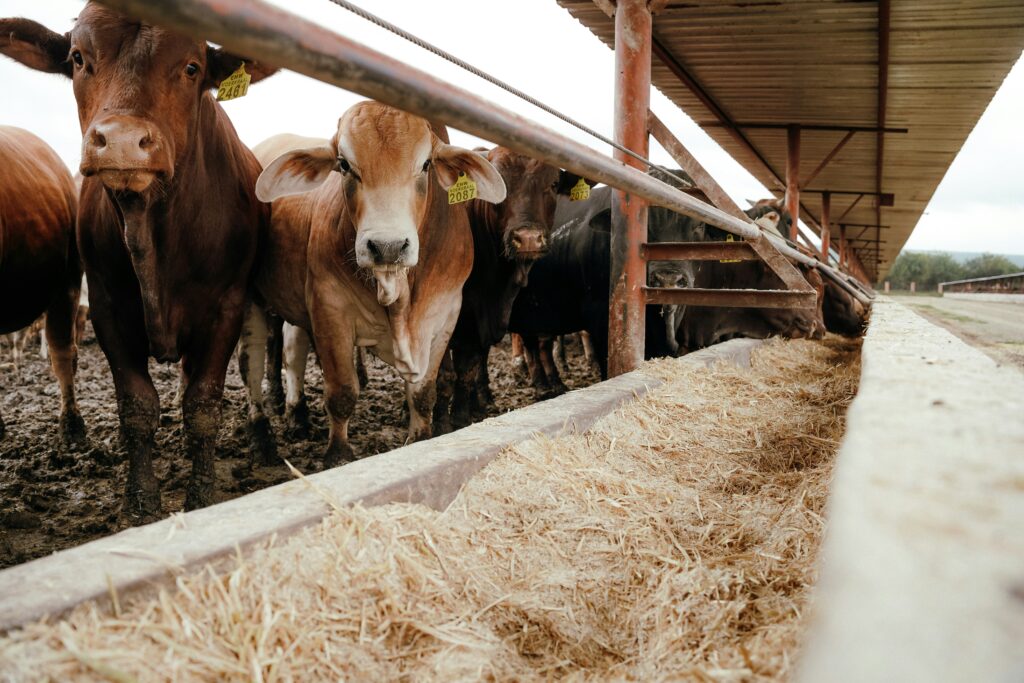
Sustainable feed management also contributes to environmental protection. Improved feed efficiency reduces methane emissions per unit of animal product. Using by-products from agro-industries as feed supports circular agriculture and reduces waste.
In conclusion, sustainable livestock feed management improves animal health, productivity, and farm profitability. By balancing nutrition, using local resources, conserving fodder, and reducing waste, farmers can build resilient and efficient livestock systems that support long-term agricultural sustainability.
Join our WhatsApp Channel for daily livestock feeding tips, fodder management guidance, and expert agriculture advice: https://www.whatsapp.com/channel/0029VbBz1Ni5vKAHRbmLNy45