

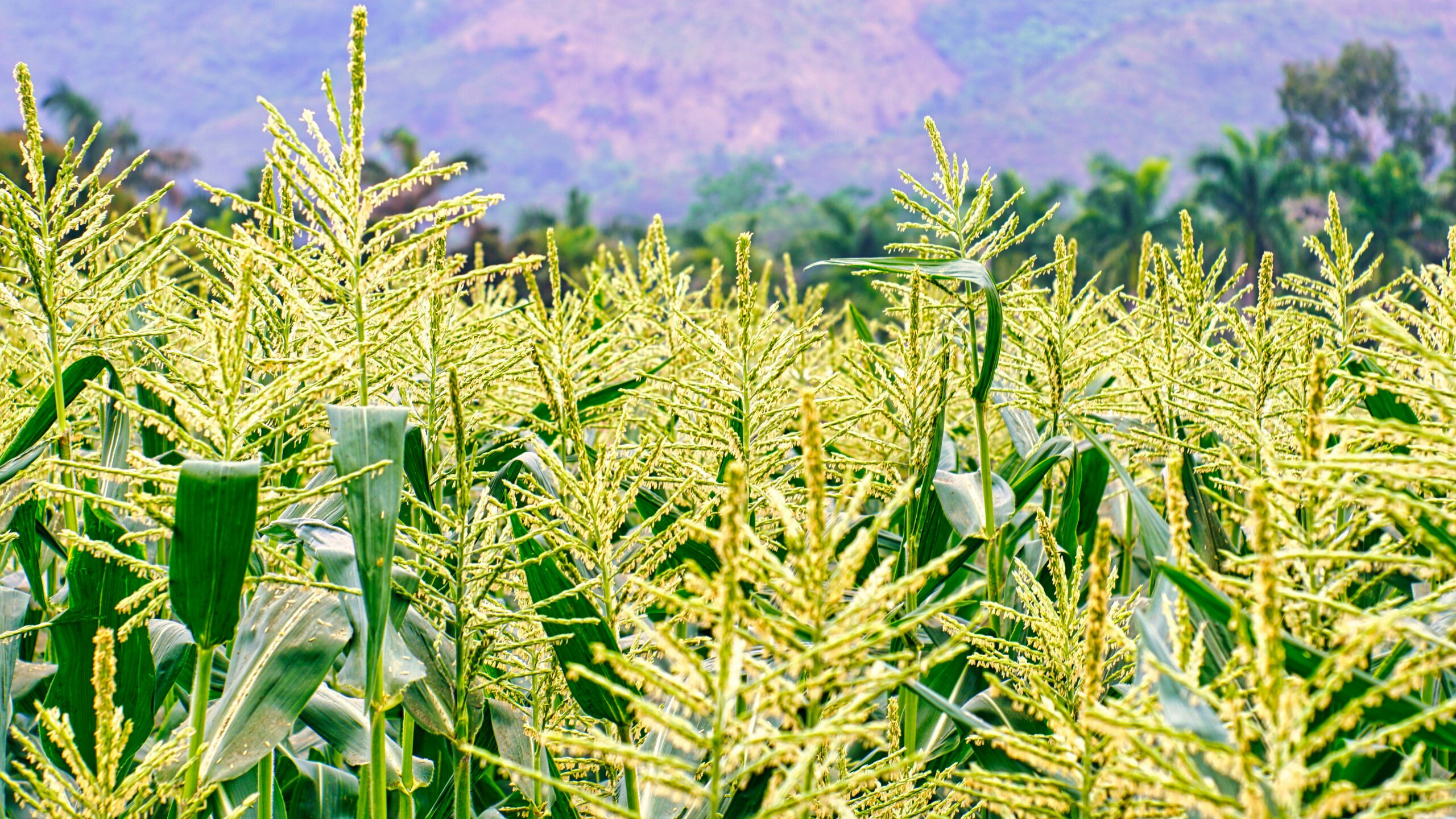
Post-harvest losses are a major challenge in agriculture, especially for perishable crops such as fruits, vegetables, and grains. A significant portion of produce is lost after harvesting due to improper handling, storage, transportation, and processing. Sustainable post-harvest management focuses on preserving crop quality, reducing losses, and increasing farmer income while minimizing environmental impact.
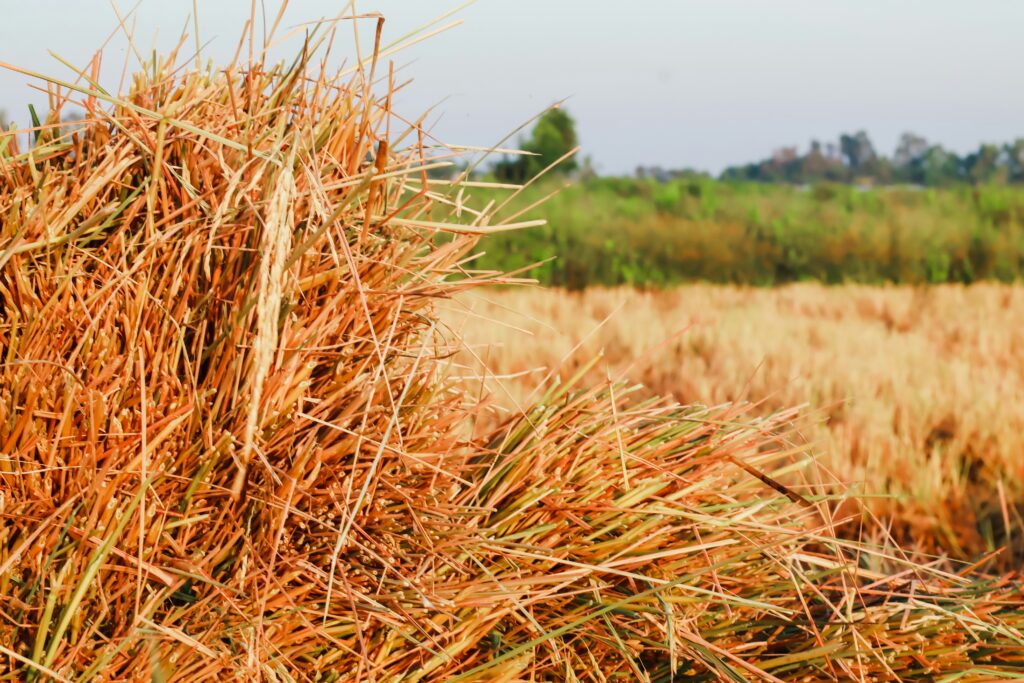
Harvesting at the right maturity stage is the first step in effective post-harvest management. Crops harvested too early or too late are more prone to spoilage and quality deterioration. Using proper harvesting tools and techniques reduces mechanical damage, which often leads to faster decay and microbial infection.
Handling and sorting practices play a critical role in maintaining quality. Gentle handling during loading, unloading, and packing prevents bruising and physical injury. Sorting and grading remove damaged or diseased produce, preventing the spread of spoilage and improving market value. Standardized grading also helps farmers access better markets.
Proper storage conditions are essential for extending shelf life. Temperature, humidity, and ventilation must be managed according to crop requirements. Improved storage structures such as cold rooms, evaporative coolers, and hermetic storage bags reduce losses and protect produce from pests and moisture damage.
Packaging and transportation significantly influence post-harvest quality. Using suitable packaging materials cushions produce and allows adequate airflow. Efficient transportation systems reduce transit time and exposure to extreme temperatures. Coordinated logistics help maintain freshness and reduce waste.
Value addition is an important component of sustainable post-harvest management. Processing crops into dried, frozen, or processed products increases shelf life and market opportunities. Value-added products provide higher returns and reduce dependency on fresh produce markets.
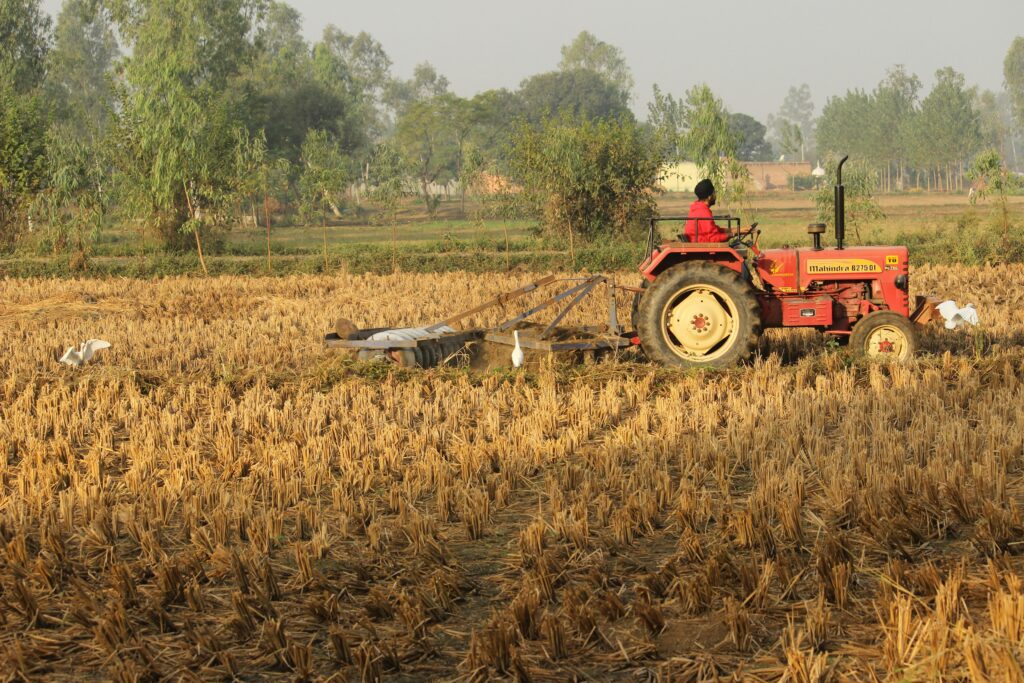
Training and awareness are essential for improving post-harvest practices. Farmers, traders, and workers need knowledge of proper handling, storage, and hygiene. Simple improvements at each stage can significantly reduce losses and improve profitability.
In conclusion, sustainable post-harvest management strengthens food security and farmer livelihoods. By improving harvesting, handling, storage, transportation, and value addition practices, farmers can reduce losses, maintain quality, and increase income while supporting a more sustainable food system.
Join our WhatsApp Channel for daily post-harvest tips, storage solutions, and expert agriculture advice: https://www.whatsapp.com/channel/0029VbBz1Ni5vKAHRbmLNy45