

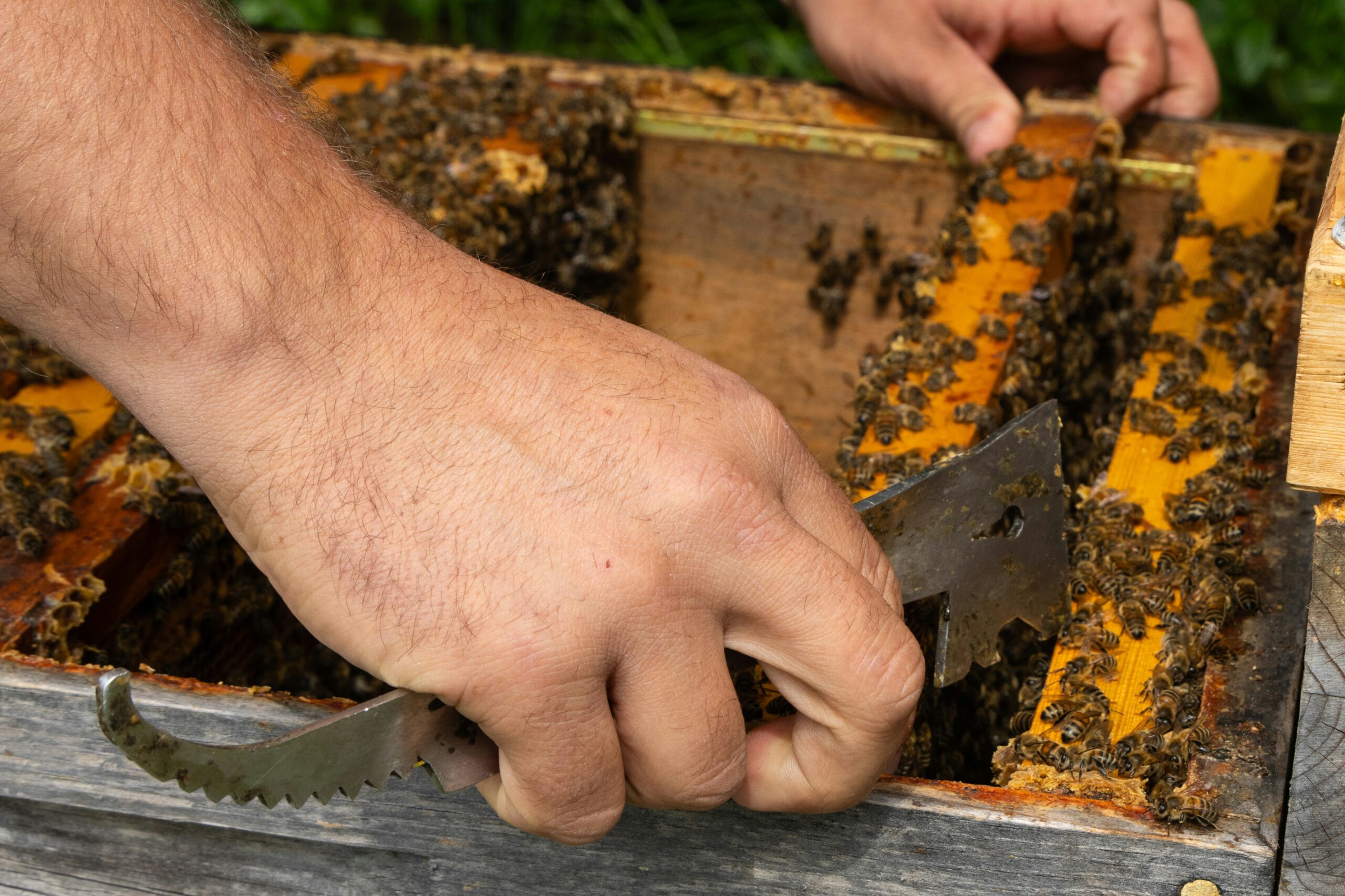
Beekeeping is an important agricultural activity that supports both crop production and rural livelihoods. Beyond honey and wax production, bees play a critical role in pollination, which directly affects crop yield, quality, and seed formation. Sustainable beekeeping focuses on managing bee colonies in a way that protects their health, enhances pollination services, and integrates well with farming systems.
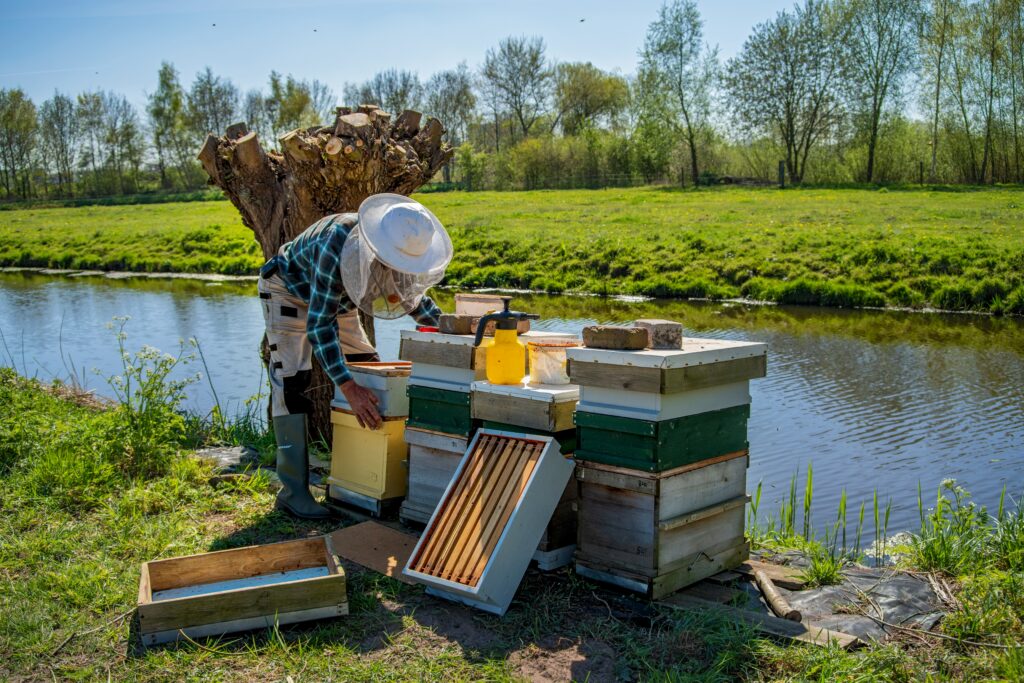
Pollination by bees improves the productivity of many crops, including fruits, vegetables, oilseeds, and nuts. Well-pollinated crops show better fruit set, uniform shape, higher weight, and improved quality. In many cases, yield increases of 20 to 40 percent are possible when adequate pollination is available. Sustainable beekeeping ensures a consistent presence of healthy pollinators during critical flowering periods.
Proper site selection and hive management are essential for successful beekeeping. Apiaries should be placed near diverse flowering plants and clean water sources. Protecting hives from extreme weather, predators, and disturbances helps maintain strong colonies. Regular inspection allows early detection of diseases and pests, reducing colony losses.
Nutrition is a key factor in bee health. Bees require a continuous supply of nectar and pollen to remain productive. Maintaining flowering crops, wild plants, and trees throughout the year supports balanced nutrition. During periods of scarcity, supplementary feeding helps colonies survive and remain strong for future pollination.
Reducing pesticide exposure is critical for sustainable beekeeping. Indiscriminate pesticide use harms bees and disrupts pollination. Adopting integrated pest management practices, using bee-safe products, and spraying chemicals during non-flowering periods protect pollinators while maintaining crop protection.
Sustainable beekeeping also offers economic benefits. Honey, beeswax, pollen, and other hive products provide additional income for farmers. Pollination services can become a valuable enterprise where beekeepers rent hives to crop growers, creating a mutually beneficial relationship.
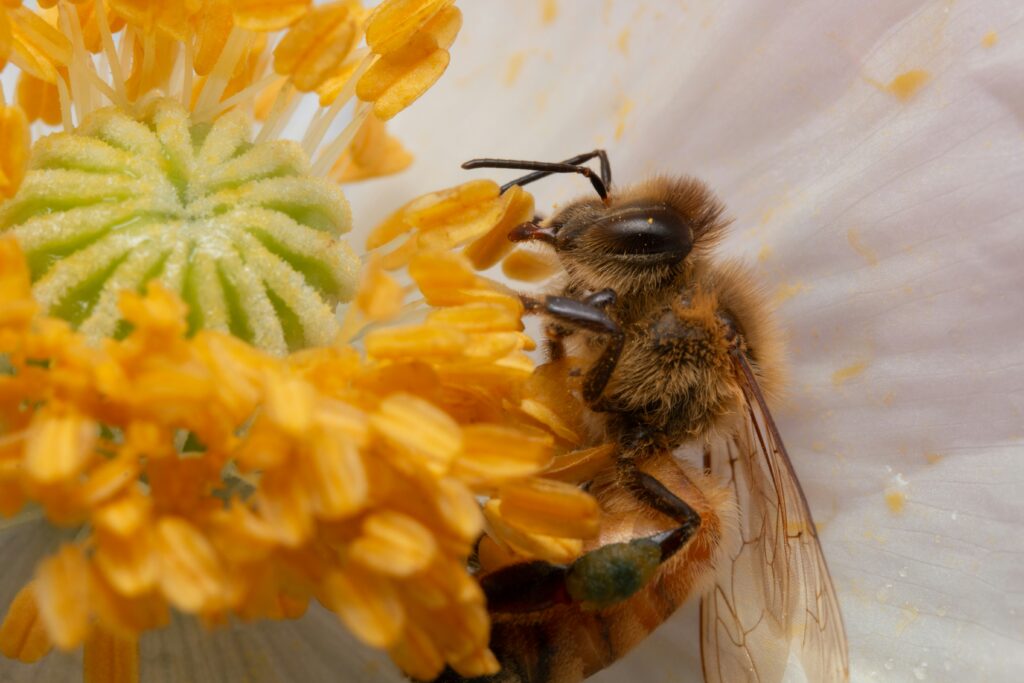
Beekeeping supports environmental sustainability by enhancing biodiversity and ecosystem health. Healthy pollinator populations contribute to the reproduction of wild plants and maintain ecological balance. Integrating beekeeping into farming systems strengthens resilience and long-term productivity.
In conclusion, sustainable beekeeping and pollination services are essential for modern agriculture. By protecting bee health, improving pollination, and reducing chemical risks, farmers can increase yields, diversify income, and support a healthier agricultural environment.
Join our WhatsApp Channel for daily beekeeping tips, pollination guidance, and expert agriculture advice: https://www.whatsapp.com/channel/0029VbBz1Ni5vKAHRbmLNy45