

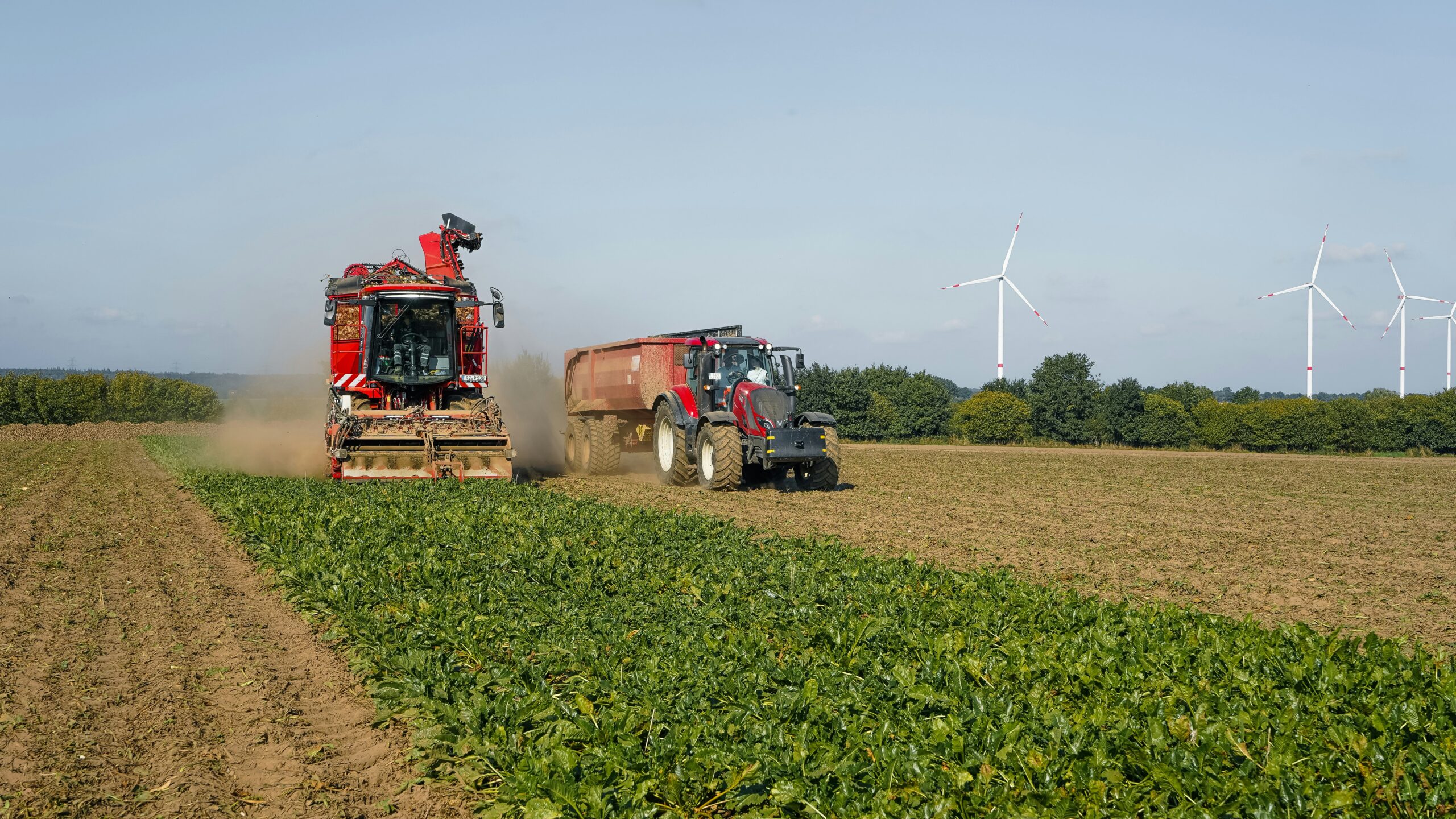
Farm mechanization has become an essential part of modern agriculture, helping farmers increase efficiency, reduce labor dependency, and improve productivity. Sustainable farm mechanization focuses on using appropriate machinery and technologies that enhance output while minimizing environmental impact and operational costs. It aims to balance productivity with long-term resource conservation.
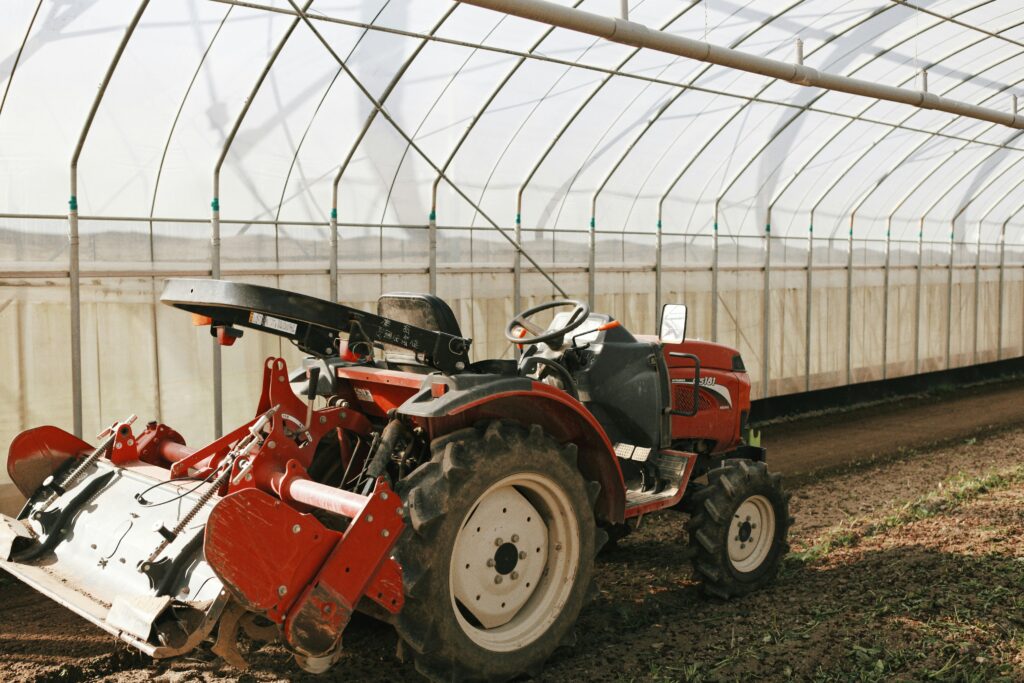
The primary benefit of farm mechanization is timely field operations. Activities such as land preparation, sowing, irrigation, fertilization, and harvesting must be carried out at the right time to achieve optimal yields. Mechanized tools ensure precision and speed, reducing delays caused by labor shortages or adverse weather conditions. Timely operations directly improve crop performance and overall farm profitability.
Appropriate technology selection is crucial for sustainability. Farmers should choose machinery that matches their farm size, soil type, and cropping system. Small and medium-scale equipment is often more efficient for small farms, reducing fuel consumption and maintenance costs. Using multi-purpose machinery increases utilization rates and lowers investment burdens.
Energy efficiency plays a key role in sustainable mechanization. Modern tractors and implements are designed to consume less fuel and produce lower emissions. Regular maintenance of machinery improves performance and reduces breakdowns. Exploring renewable energy solutions, such as solar-powered pumps and electric equipment, further enhances sustainability.
Precision equipment improves input efficiency and reduces waste. Seed drills ensure uniform planting depth and spacing, promoting better crop establishment. Precision sprayers apply chemicals evenly, minimizing overuse and environmental contamination. Mechanized irrigation systems deliver water more efficiently, conserving valuable resources.
Sustainable mechanization also improves labor safety and working conditions. Modern equipment reduces physical strain and exposure to harmful chemicals. Training operators in safe and efficient machinery use prevents accidents and extends equipment lifespan.
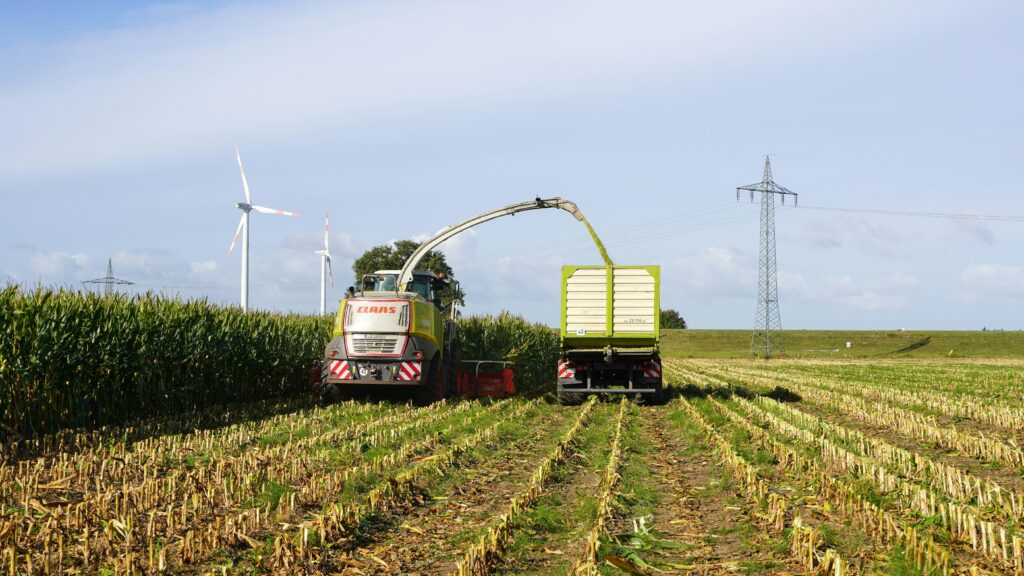
Financial planning is important when adopting mechanization. Farmers can reduce costs through cooperative ownership models, rental services, and government support programs. Shared machinery services allow small farmers to access modern equipment without heavy investment.
In conclusion, sustainable farm mechanization enhances productivity, efficiency, and resource conservation. By selecting appropriate machinery, improving energy efficiency, and adopting precision tools, farmers can increase yields while protecting the environment and ensuring long-term agricultural sustainability.
Join our WhatsApp Channel for daily farm mechanization tips, equipment guidance, and expert agriculture advice: https://www.whatsapp.com/channel/0029VbBz1Ni5vKAHRbmLNy45