

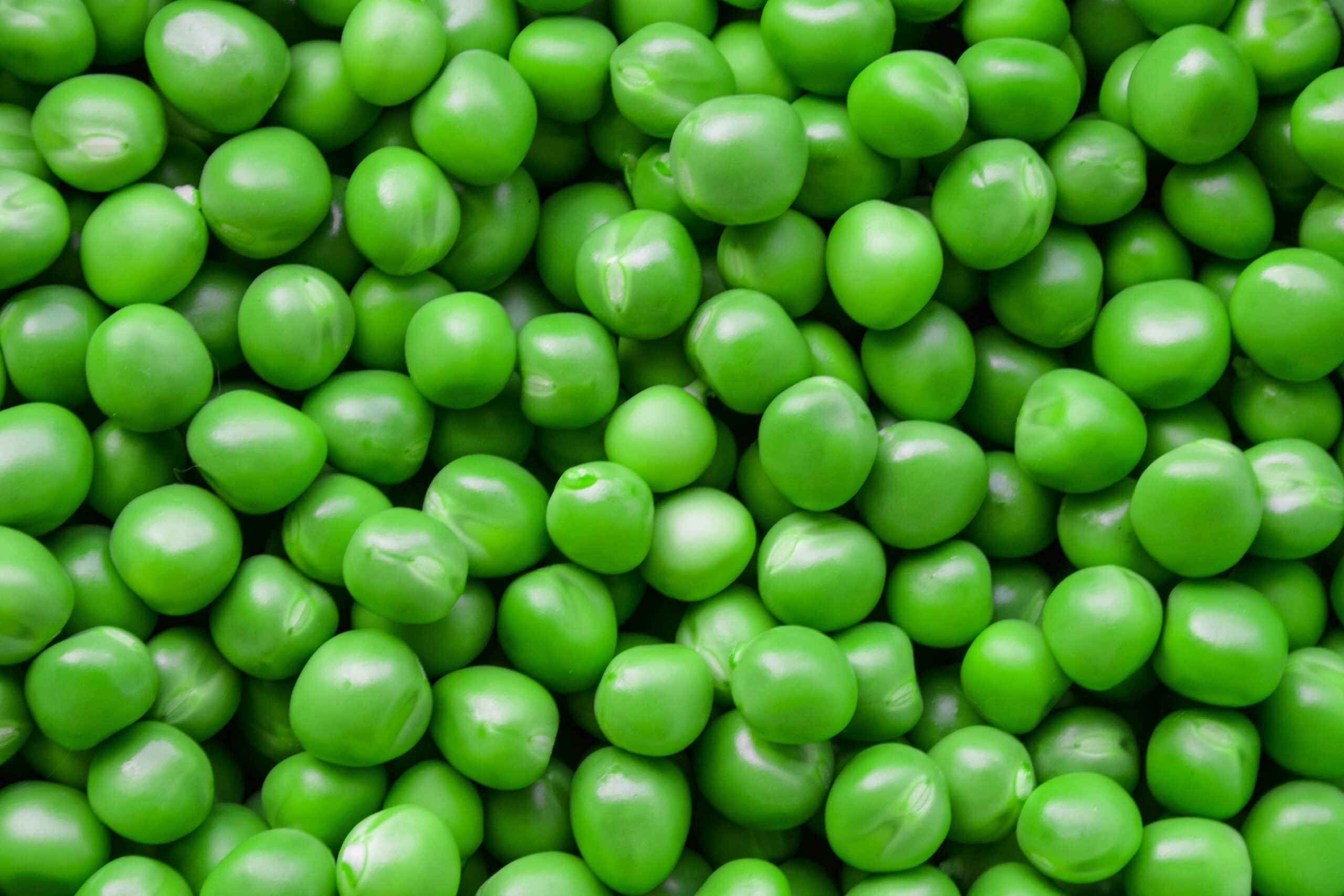
Peas are among the most popular and nutritious vegetables consumed worldwide. Packed with essential vitamins, minerals, protein, and fiber, peas are not only a delicious addition to meals but also a valuable crop for farmers and gardeners. Whether you are a health enthusiast, a home cook, or someone researching profitable crops, understanding peas in detail can help you unlock their full potential.
In this comprehensive guide, we will explore everything about peas — from their history to their health benefits, varieties, cultivation methods, and culinary uses.
What Are Peas?
Peas (Pisum sativum) are small, spherical seeds that grow inside pods. They belong to the legume family and have been grown for thousands of years. Known for their mild sweetness and vibrant green color, peas are used in numerous dishes, from soups and curries to stir-fries and salads.
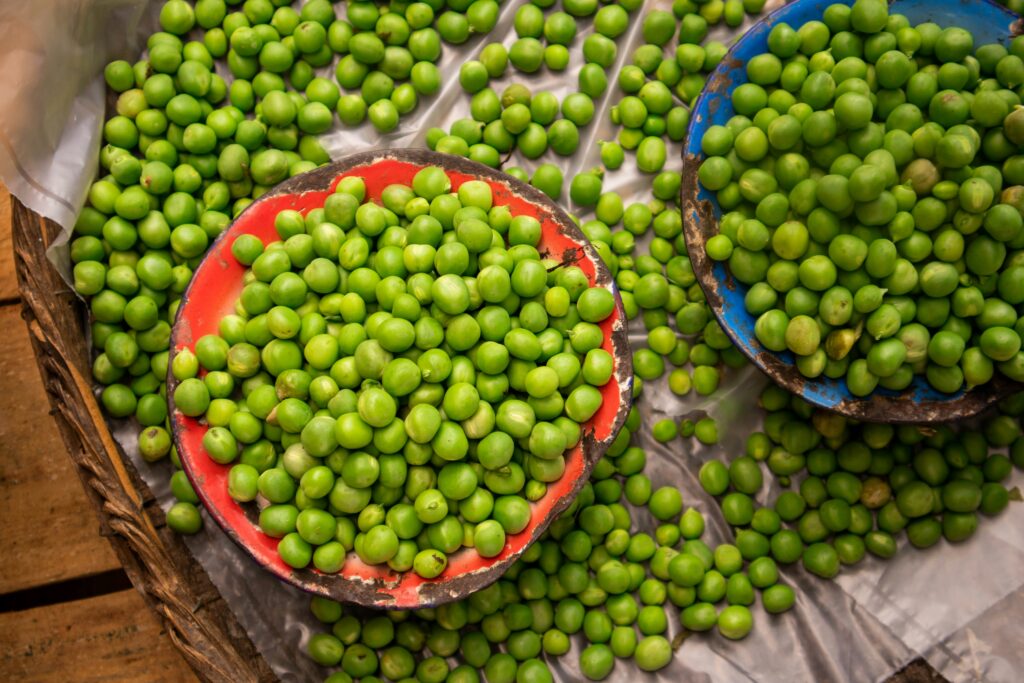
Nutritional Value of Peas
Peas are considered one of the most nutritious vegetables because they contain:
- High protein (more than most vegetables)
- Dietary fiber supporting digestion
- Vitamin C for immunity
- Vitamin K for bone strength
- B vitamins for energy
- Minerals such as manganese, copper, zinc, iron, and magnesium
- Low calories and zero cholesterol
Nutritional Breakdown (per 100g of peas)
- Calories: 81
- Protein: 5.4g
- Carbohydrates: 14g
- Fiber: 5g
- Vitamin C: 40 mg
- Folate: 65 mcg
- Iron: 1.5 mg
Health Benefits of Eating Peas
1. Excellent for Digestion
The high fiber content helps regulate bowel movement and prevents constipation.
2. Supports Heart Health
Peas contain antioxidants and minerals that lower bad cholesterol levels and improve heart function.
3. Boosts Immunity
Thanks to vitamin C and other antioxidants, peas help strengthen the immune system.
4. Helps in Weight Management
Low in calories and high in fiber, peas keep you full for longer and reduce overeating.
5. Great for Diabetics
Peas have a low glycemic index, making them safe for diabetic individuals.
6. Good for Eye Health
Peas contain lutein and zeaxanthin, which protect the eyes from damage.
7. Muscle Growth & Repair
High plant-based protein makes peas ideal for vegetarians and fitness enthusiasts.
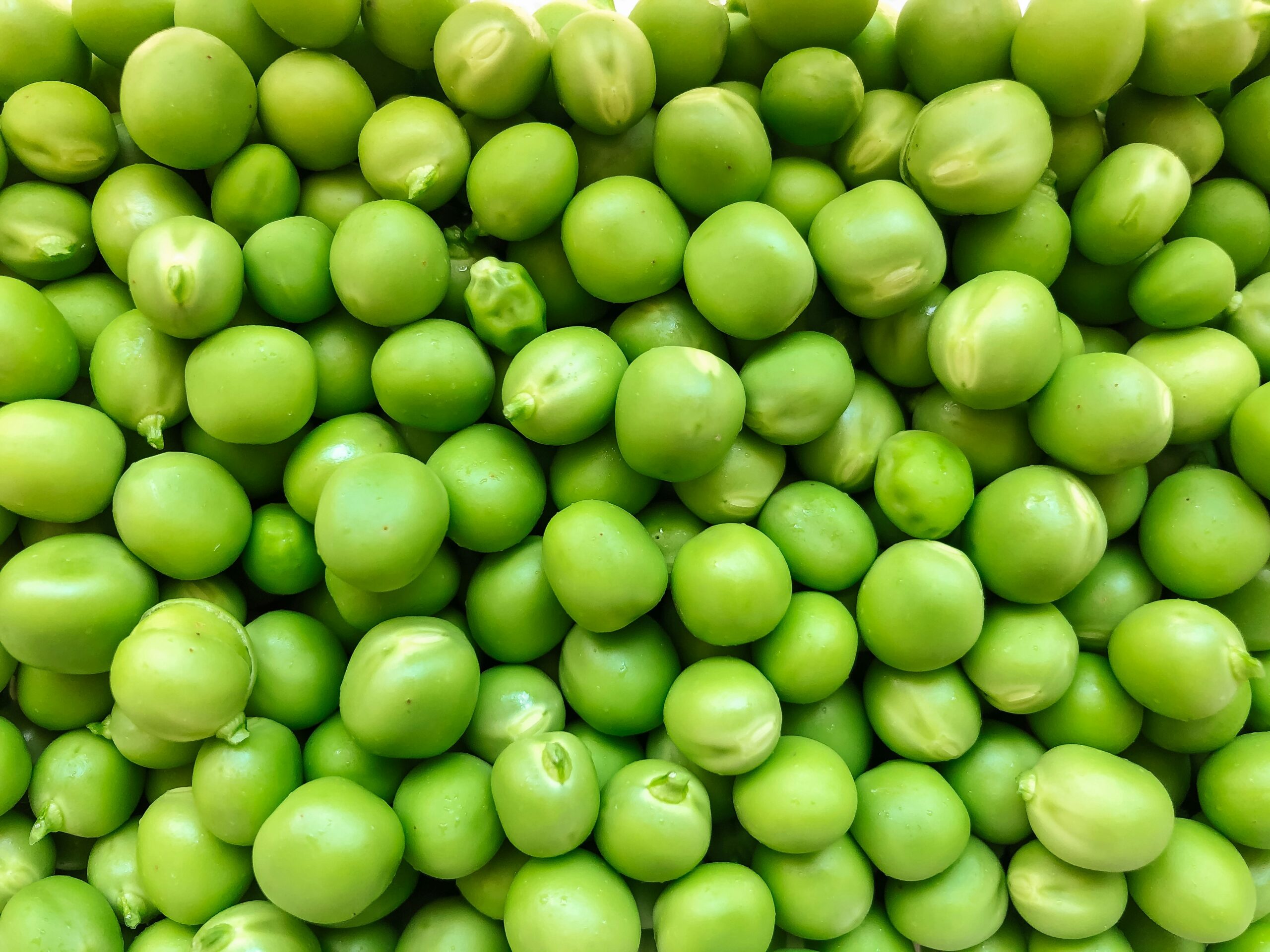
Types of Peas
There are several varieties of peas, each used for different purposes:
1. Green Peas
The most common type, used in everyday cooking.
2. Snow Peas
Flat pods with small seeds, commonly used in Chinese cuisine.
3. Sugar Snap Peas
Sweet, crunchy peas eaten whole — pod and seed together.
4. Split Peas
Dried peas used in soups and stews.
5. Field Peas
Grown mainly for animal feed and soil improvement.
How Peas Are Grown
Peas are a cool-season crop and thrive best in mild climates. Farmers and home gardeners prefer peas because they are low maintenance and enrich the soil through nitrogen fixation.
Ideal Growing Conditions
- Temperature: 13–18°C
- Soil: Well-drained, fertile
- Soil pH: 6.0–7.5
- Water: Moderate watering
Steps for Cultivation
1. Soil Preparation
Add compost or organic manure to increase soil fertility.
2. Planting Seeds
Seed spacing: 2–3 cm deep and 5–7 cm apart.
Row spacing: 45–60 cm.
3. Watering
Maintain consistent moisture but avoid waterlogging.
4. Support
Tall pea varieties require trellises or sticks for support.
5. Harvesting
Peas are ready for harvest 60–70 days after sowing. Pods should be bright, green and filled.
Common Pests & Diseases in Peas
- Aphids
- Powdery mildew
- Root rot
- Pea moth
Using organic pesticides, neem oil, or maintaining proper crop rotation helps reduce problems.
Uses of Peas in Cooking
Peas are extremely versatile and can be used in:
- Curries and gravies
- Soups and stews
- Pasta and rice dishes
- Salads
- Stir-fries
- Snacks
- Baby food
Frozen peas are especially convenient as they retain nutrition and cook quickly.
Economic Importance of Peas
Peas are a profitable agricultural crop because:
- They require low investment
- They improve soil fertility
- They have high market demand
- They can be sold fresh, dried, or frozen
For small farmers, peas serve as a short-duration, high-income crop.
Conclusion
Peas are more than just a simple vegetable — they are a powerhouse of nutrition, an essential ingredient in global cuisines, and a valuable agricultural crop. Whether you consume them for health, grow them for profit, or enjoy them in your favorite dishes, peas offer numerous benefits that make them a vital part of everyday life.
If you’re looking for more updates, tips, and agricultural information, join our WhatsApp channel below:
👉 WhatsApp Channel:
http://whatsapp.com/channel/0029VbBz1Ni5vKAHRbmLNy45