

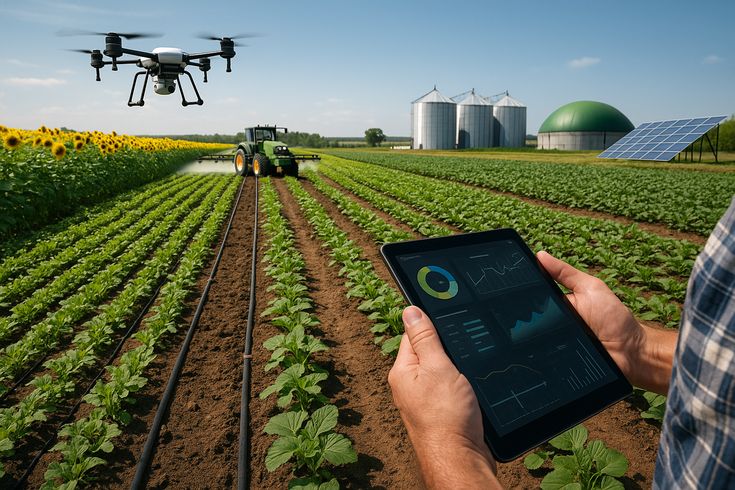
As global food demand increases, farmers need modern tools to maximize productivity while minimizing resource use. This is where Precision Agriculture steps in — a technology-driven approach that uses data, sensors, satellite imagery, and automation to make farming more efficient.
This blog explains how precision agriculture works and why it is transforming modern farming.
What Is Precision Agriculture?
Precision agriculture is a smart farming method that uses advanced technologies to monitor and manage fields with high accuracy.
Its goal is simple: apply the right input at the right place, at the right time, in the right amount.
Technologies involved include:
- GPS-based equipment
- Drones
- Soil and crop sensors
- Smart irrigation systems
- Satellite imagery
- Mobile farming apps
- Data analytics
Benefits of Precision Agriculture
1. Higher Crop Productivity
Real-time data helps farmers take quick decisions that improve crop growth.
2. Reduced Fertilizer and Pesticide Costs
Inputs are applied only where needed, reducing waste.
3. Water Conservation
Smart irrigation systems measure soil moisture and deliver water precisely.
4. Better Disease and Pest Monitoring
Drones and sensors detect issues early, minimizing crop losses.
5. Accurate Yield Prediction
Helps farmers plan storage, marketing, and transport more efficiently.
Applications of Precision Agriculture
1. Drone Surveillance
Drones capture high-resolution images to detect crop stress, nutrient deficiency, and pest attacks.
2. GPS-Enabled Tractors
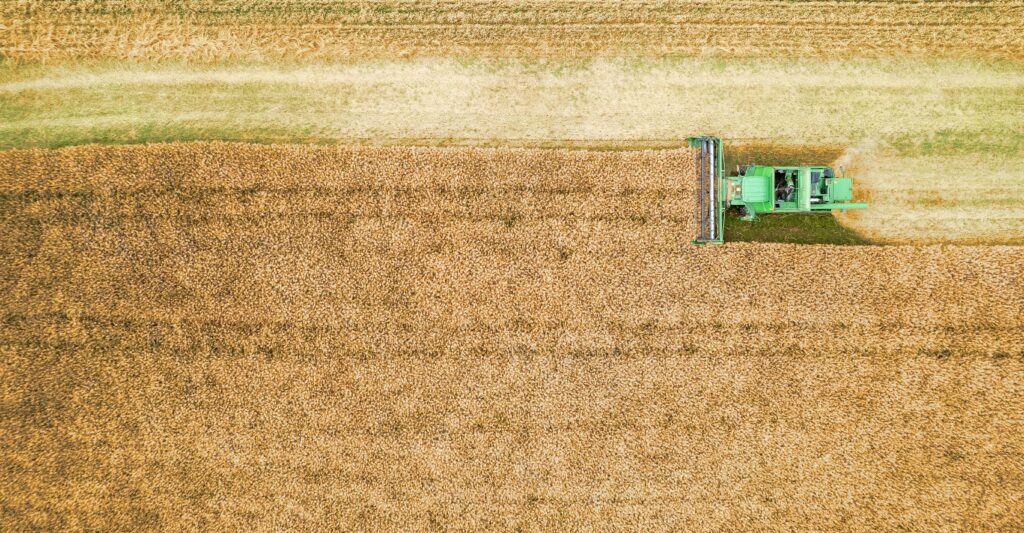
These allow accurate fertilizer and seed application, reducing overlaps.
3. Variable Rate Technology (VRT)
Adjusts fertilizer or pesticide quantity based on soil conditions.
4. IoT-Based Irrigation Systems
Sensors calculate water needs and operate irrigation automatically.
5. Digital Farm Management Apps
Provide weather forecasts, crop data, and market rate updates.
Best Crops for Precision Agriculture
- Wheat
- Rice
- Cotton
- Maize
- Sugarcane
- Vegetables
- Orchards (citrus, mango, apple)
Challenges Farmers May Face
- Initial investment cost
- Need for technical knowledge
- Internet and electricity limitations in rural areas
However, these challenges are gradually reducing as technology becomes more affordable and accessible.
Conclusion
Precision agriculture is the future of modern farming. It helps increase productivity, reduce input costs, and improve overall farm management. Farmers adopting this technology today will gain a strong competitive advantage in the coming years.
📡 Join our WhatsApp Channel for Daily Smart Farming Updates: https://www.whatsapp.com/channel/0029VbBz1Ni5vKAHRbmLNy45