

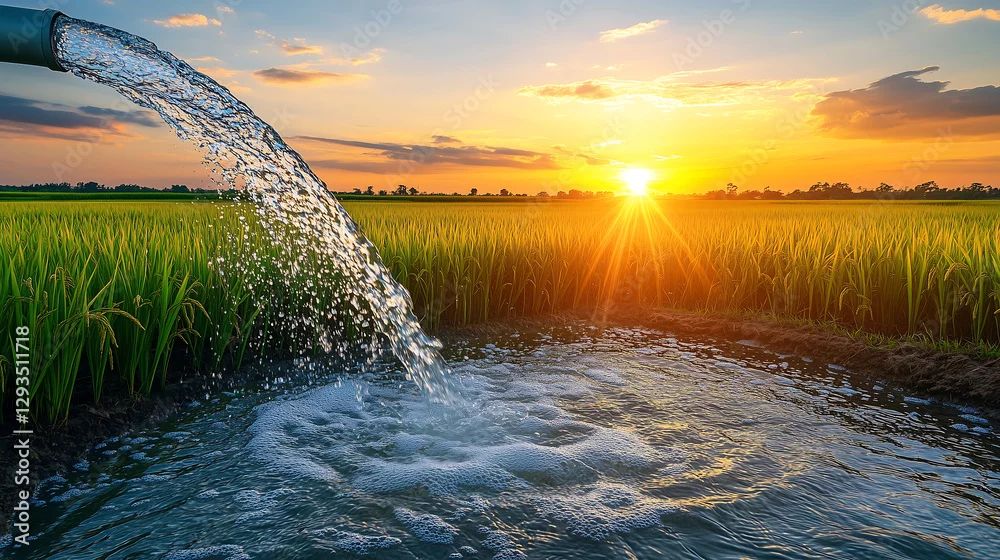
Water is one of the most critical resources in agriculture. Proper water management ensures healthy crop growth, efficient nutrient absorption, and improved yield. When water is used wisely, crops receive the right amount of moisture at the right time, reducing stress and improving overall farm productivity.
In many farming areas, water scarcity, poor irrigation practices, and wastage lead to low crop performance. Over-irrigation damages roots, while under-irrigation weakens plant growth. This blog highlights effective water management strategies that help farmers use water efficiently and produce better crops.
Why Water Management Matters
Water directly affects soil health, nutrient availability, and plant development. Efficient water use not only supports crops but also conserves valuable resources for future farming.
Proper water management helps in:
- Maintaining optimal soil moisture
- Improving root development
- Enhancing nutrient uptake
- Reducing crop stress and diseases
Effective Water Management Strategies
1. Drip Irrigation Systems
Drip irrigation delivers water directly to plant roots, minimizing wastage and evaporation. It is highly efficient for vegetables, fruits, and row crops.
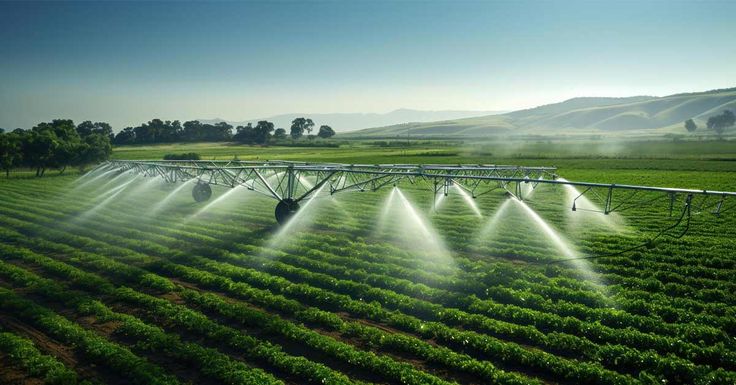
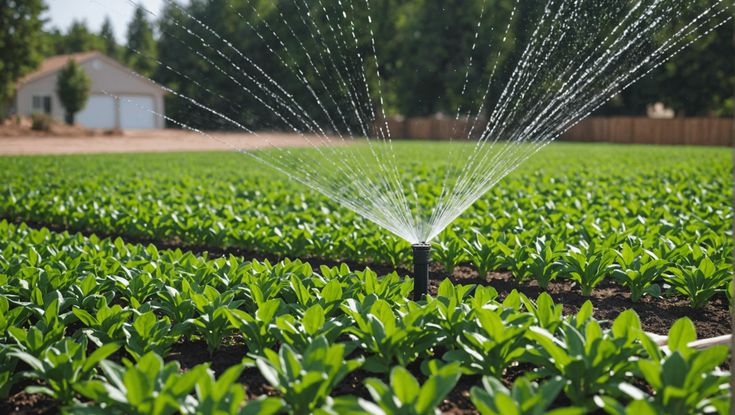
2. Sprinkler Irrigation
Sprinkler systems distribute water evenly across fields and are suitable for a wide range of crops. They help maintain uniform moisture levels.
3. Irrigation Scheduling
Watering crops at the right growth stages prevents overuse and ensures better absorption. Scheduling based on crop needs improves efficiency.
4. Soil Moisture Monitoring
Regularly checking soil moisture helps farmers decide when and how much to irrigate, preventing unnecessary water loss.
5. Mulching
Using straw, leaves, or plastic mulch reduces evaporation, maintains soil moisture, and controls weed growth.
Benefits of Efficient Water Management
- Reduced water wastage
- Healthier crop growth
- Lower irrigation costs
- Improved yield and crop quality
Summary
Efficient water management is essential for sustainable crop production. By adopting modern irrigation methods and smart watering practices, farmers can conserve water, reduce costs, and achieve higher productivity. Proper water use ensures long-term farm success and supports sustainable agriculture.